Welcome to Gainesville Florida Sandblasting Services 32258.
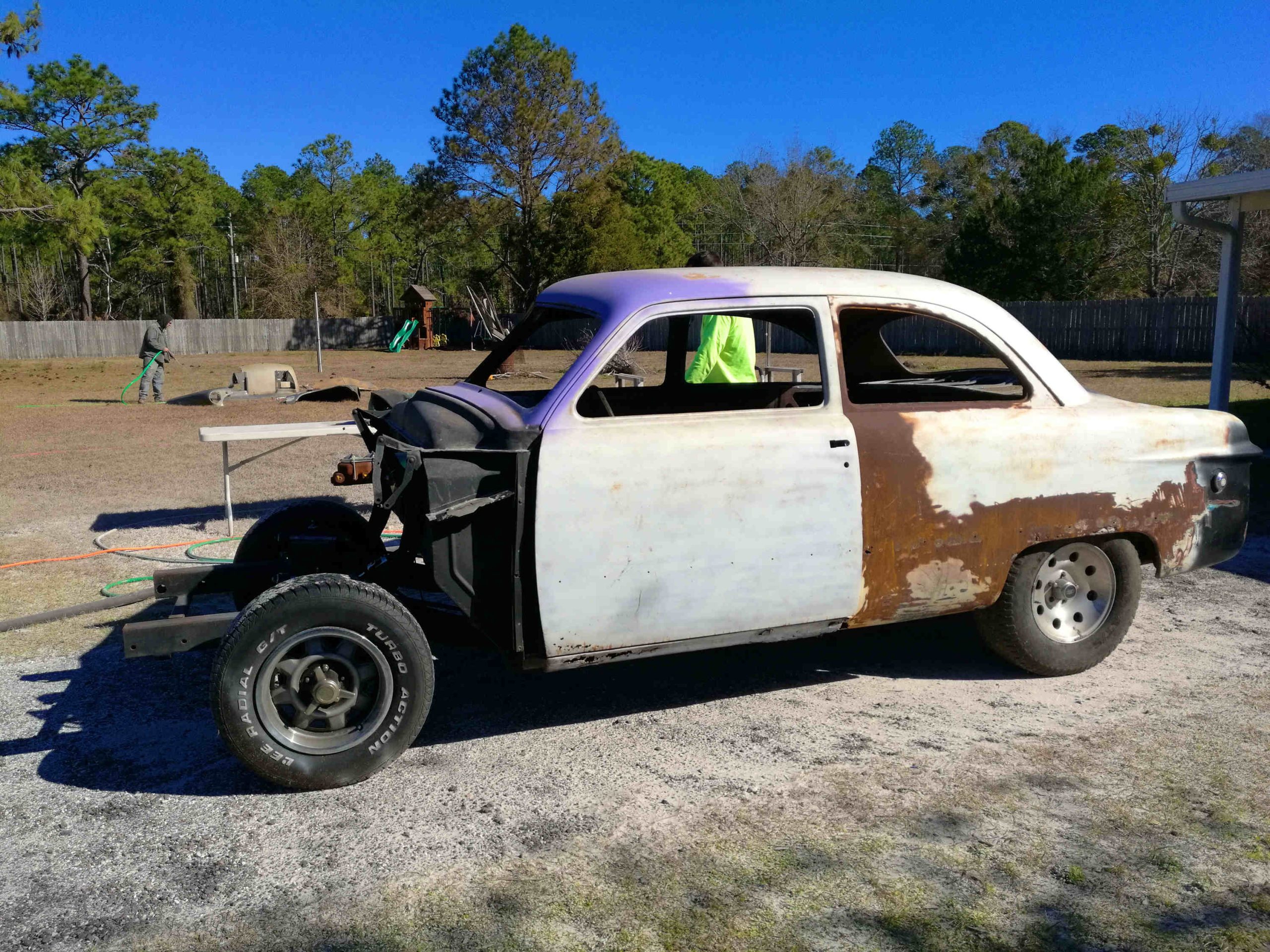
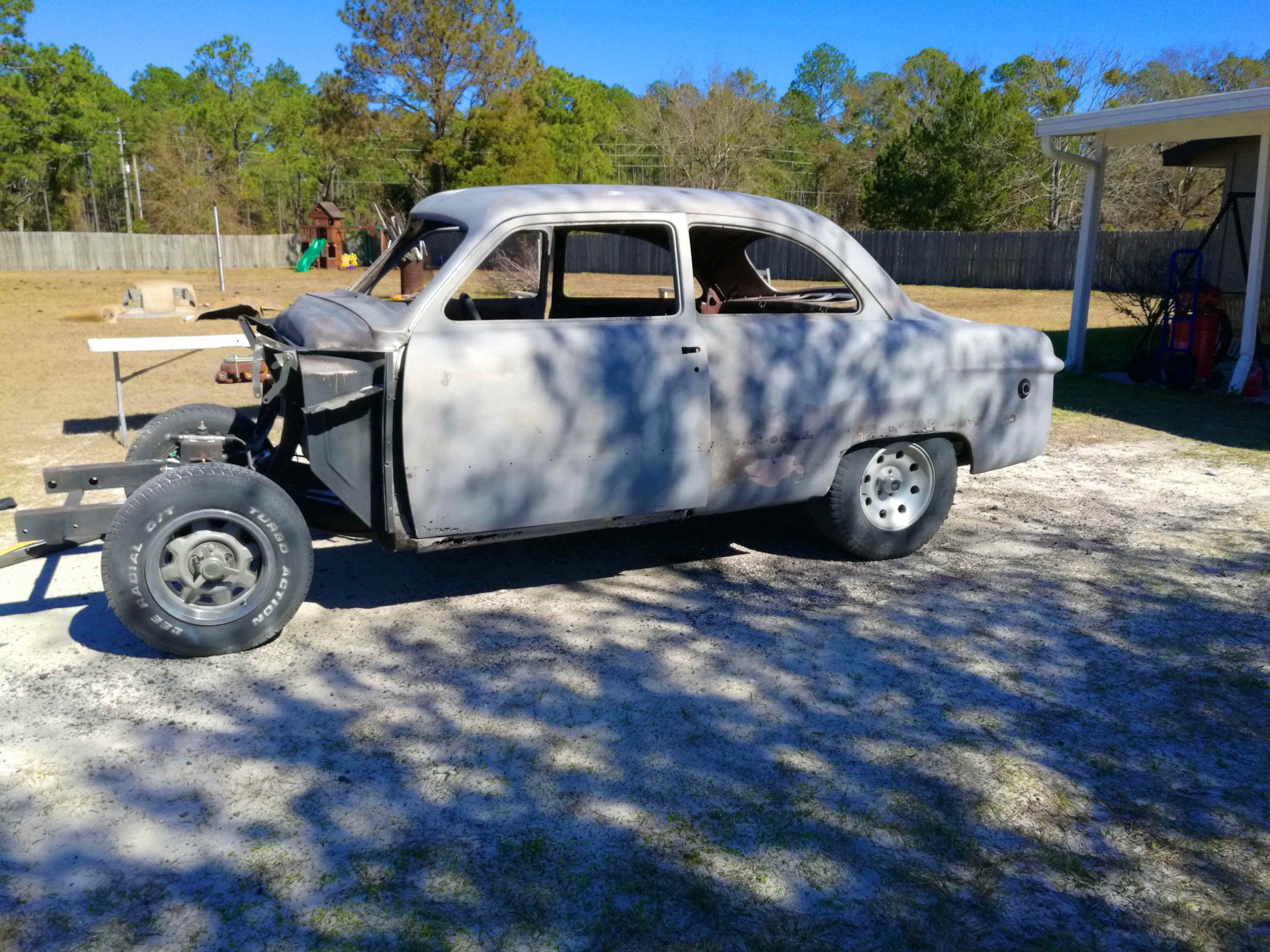
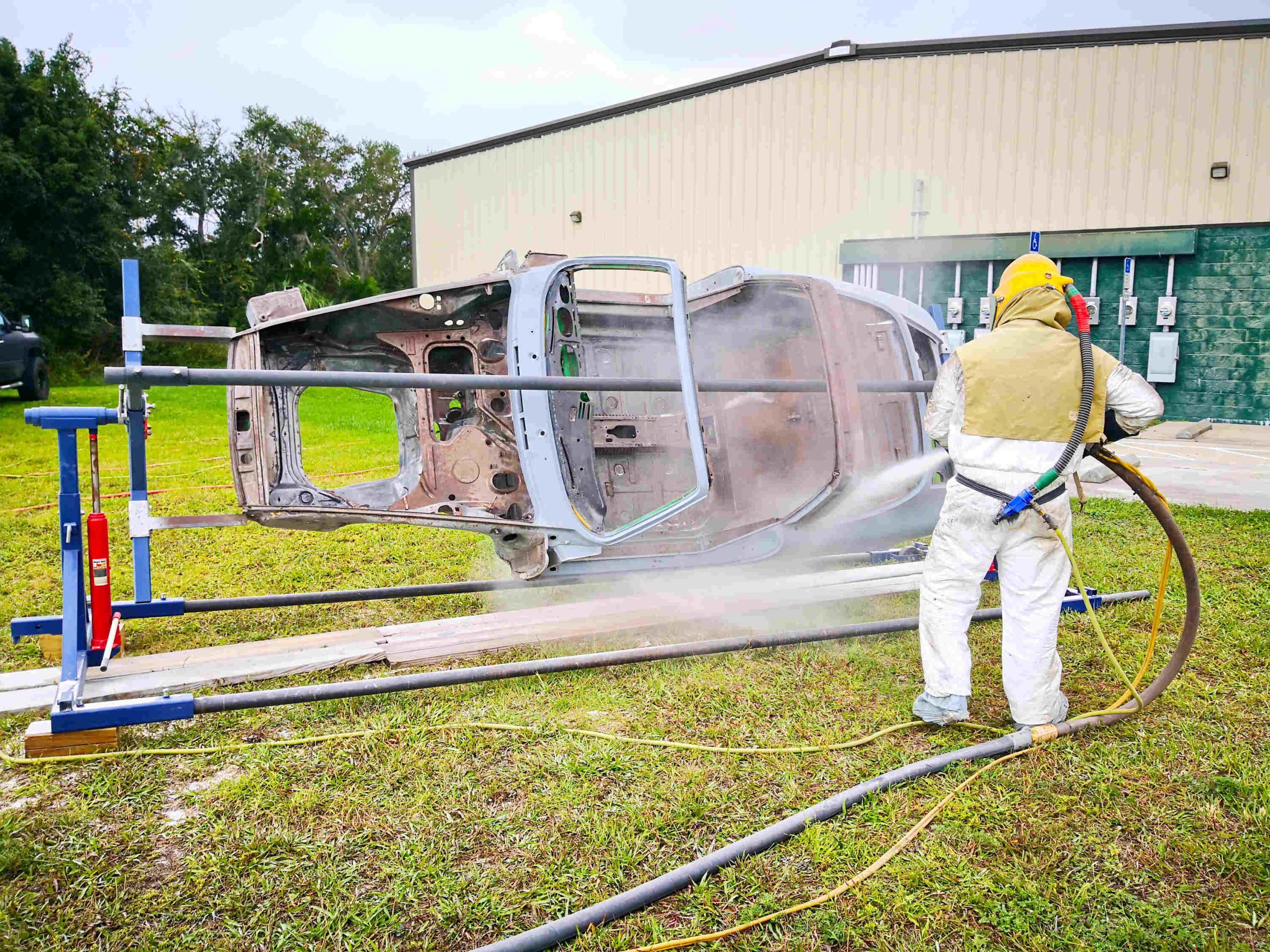
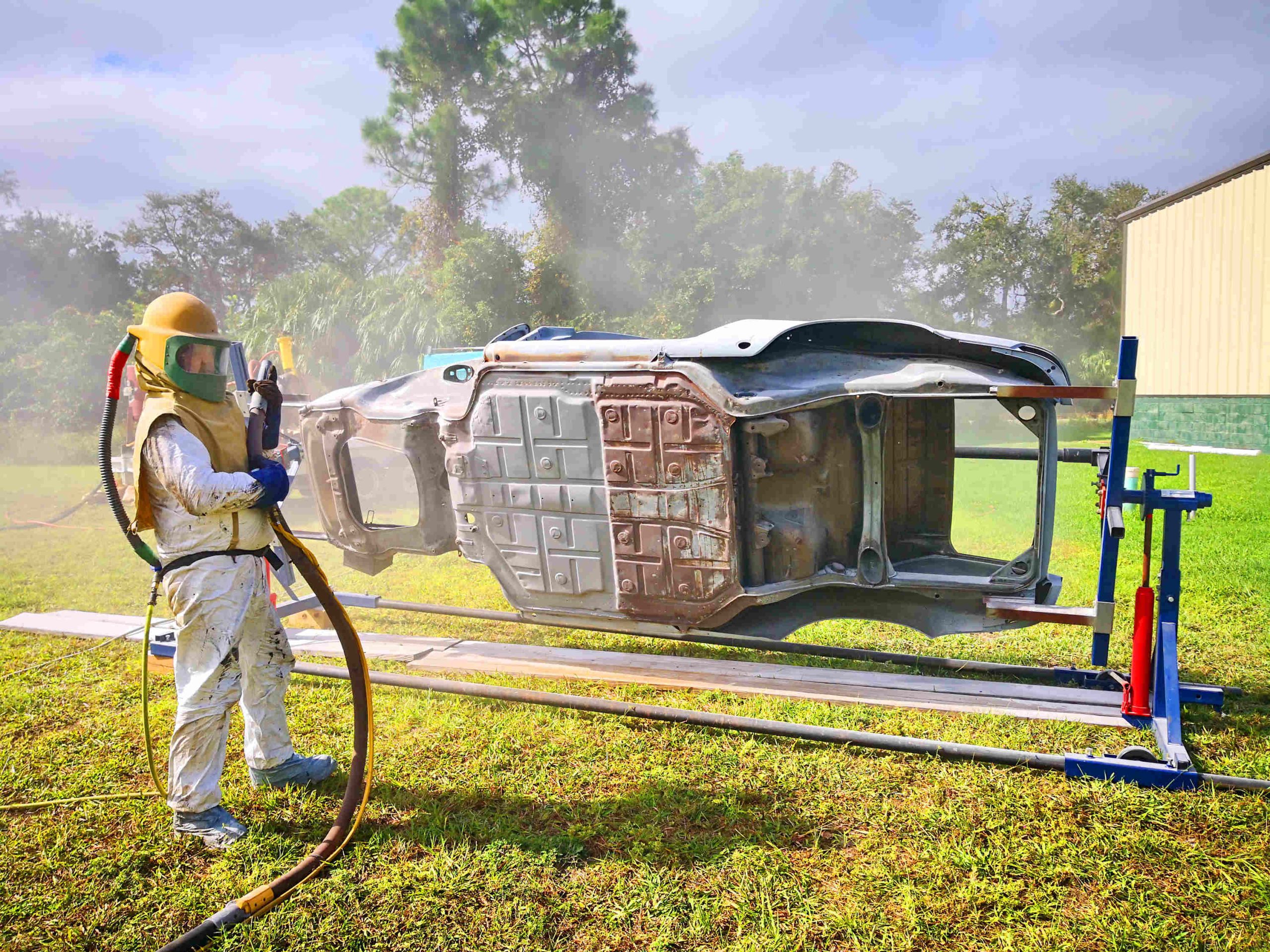
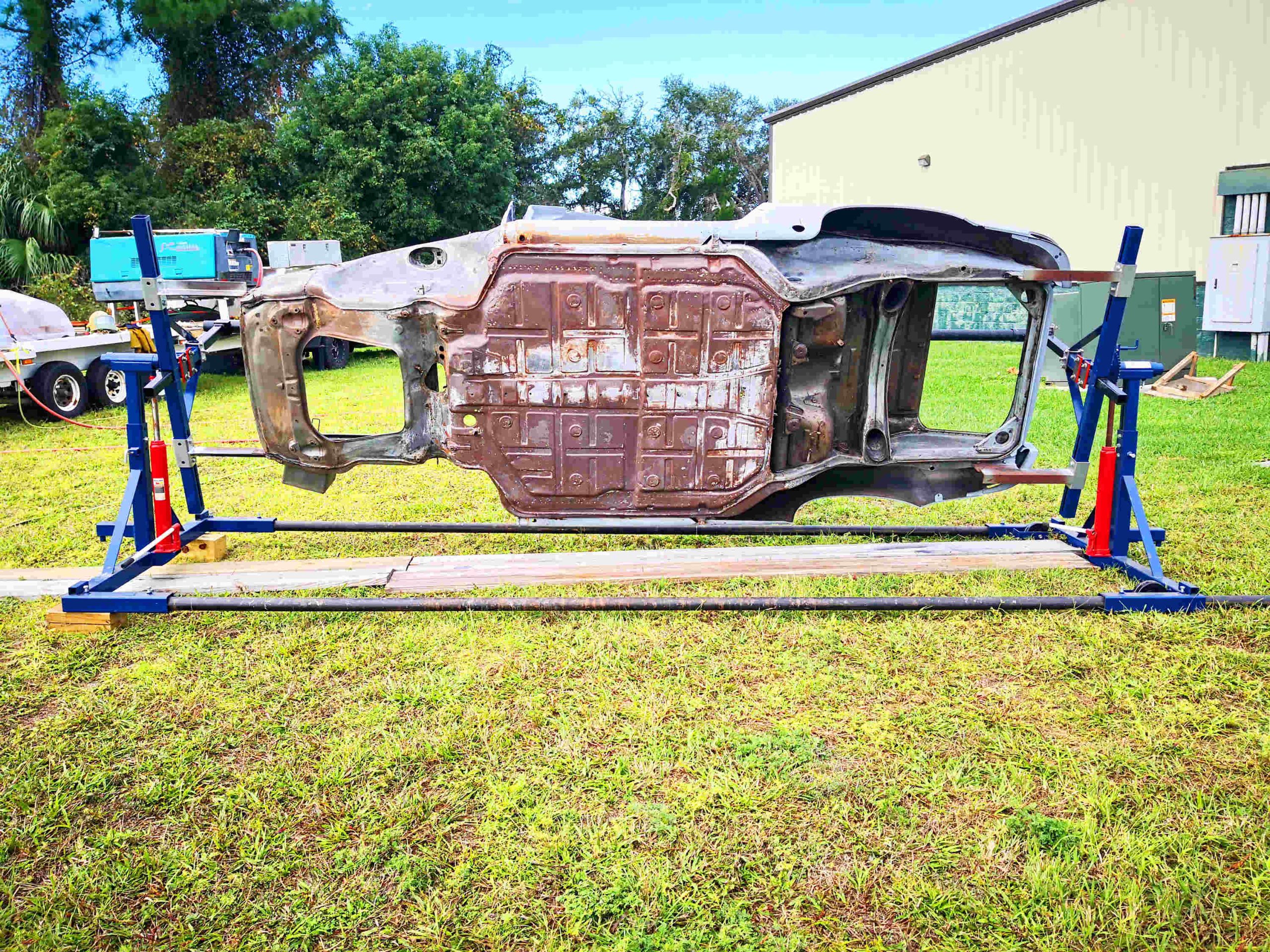
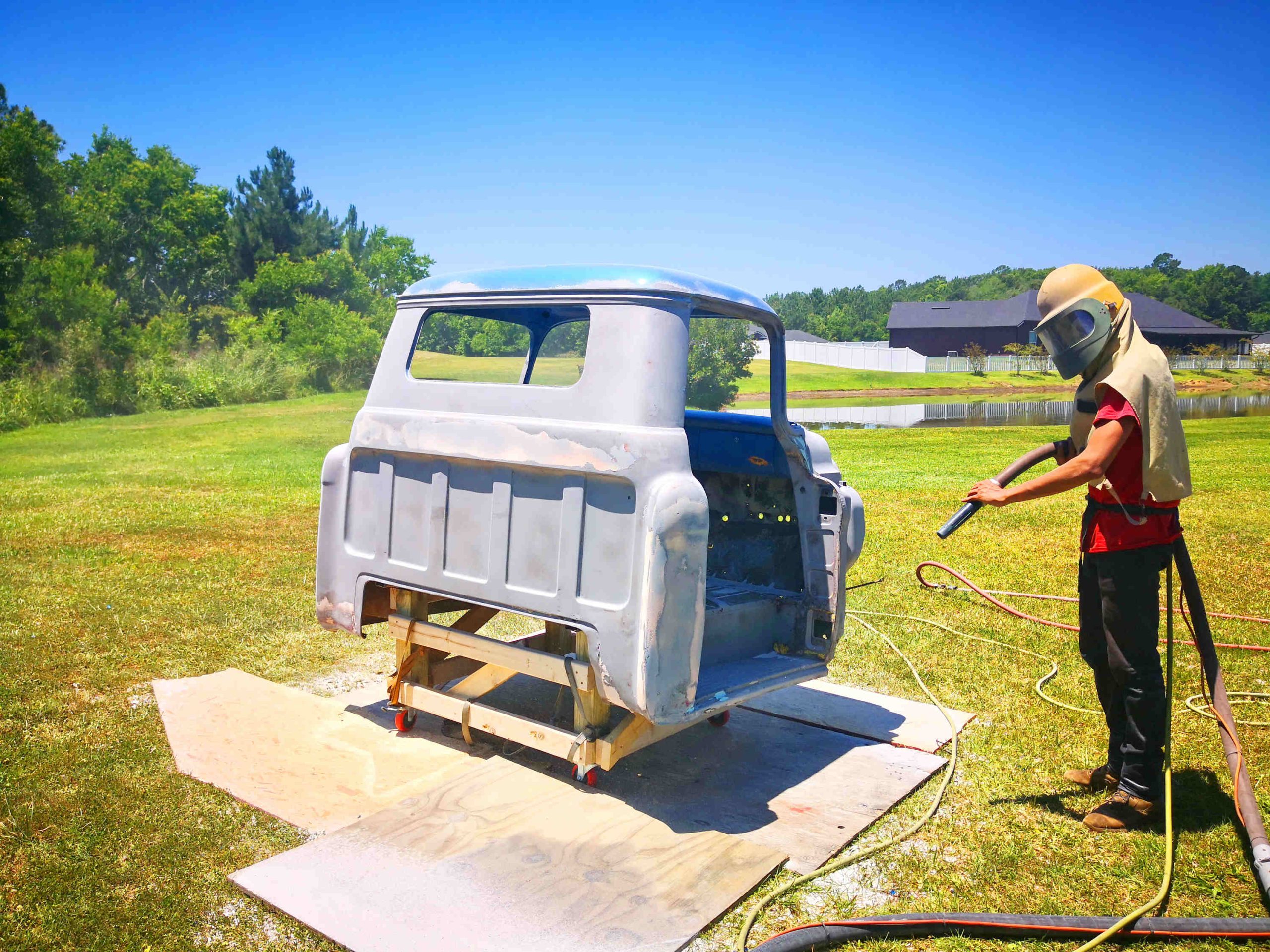
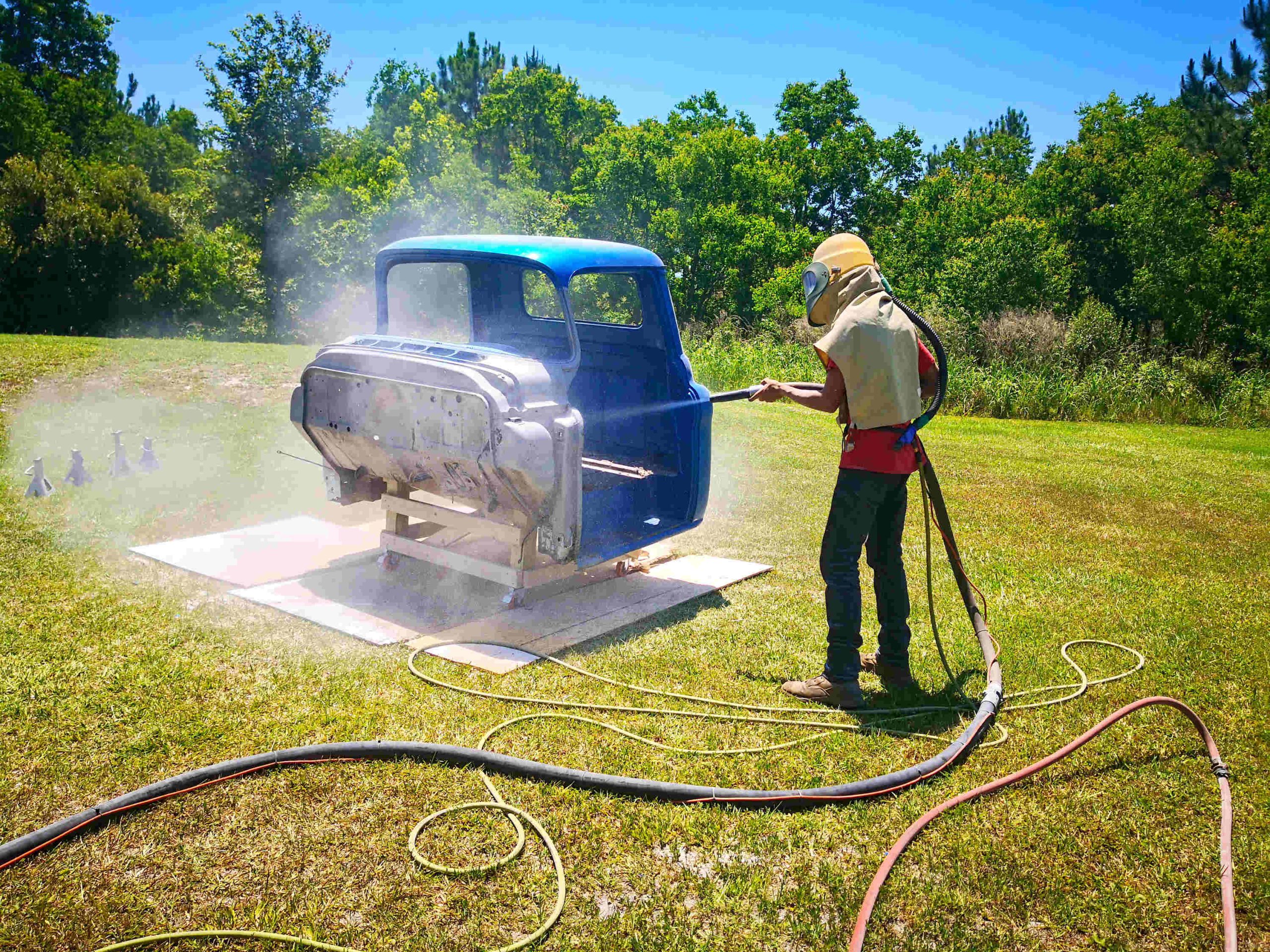
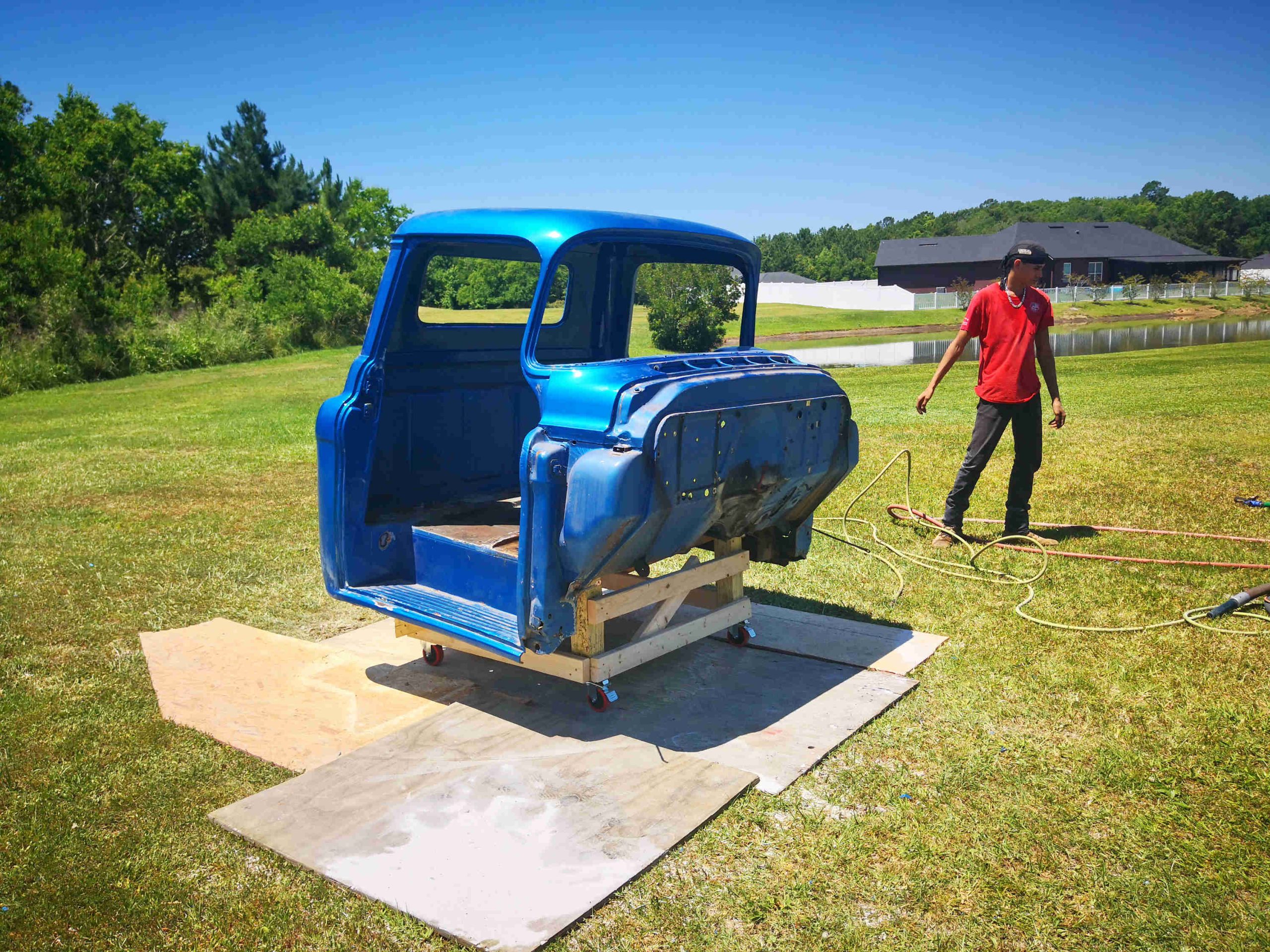
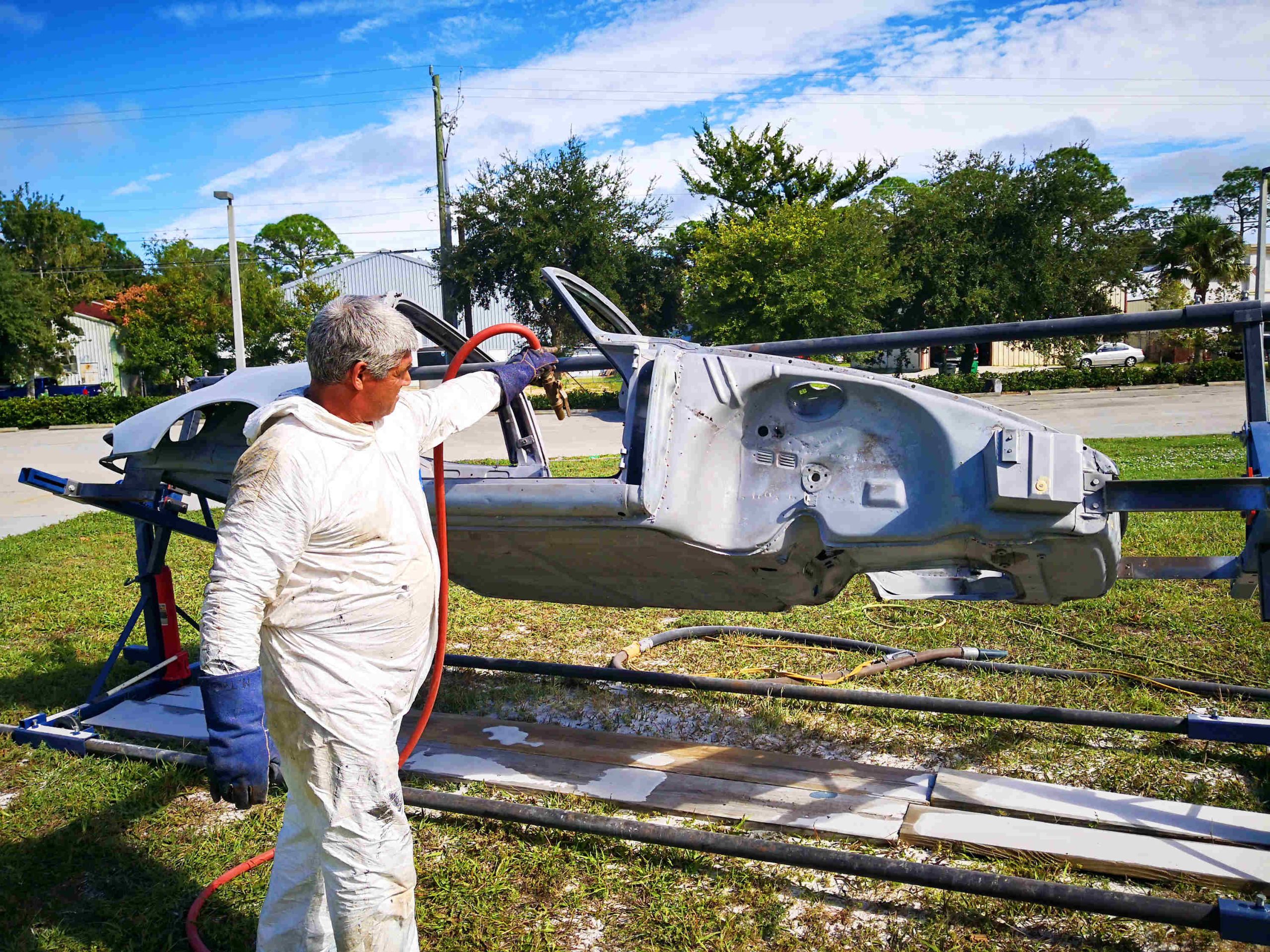
Video of Sandblasting auto restoration, removing paint and rust off a antique 1955 Chevy pickup truck in Gainesville Fl.
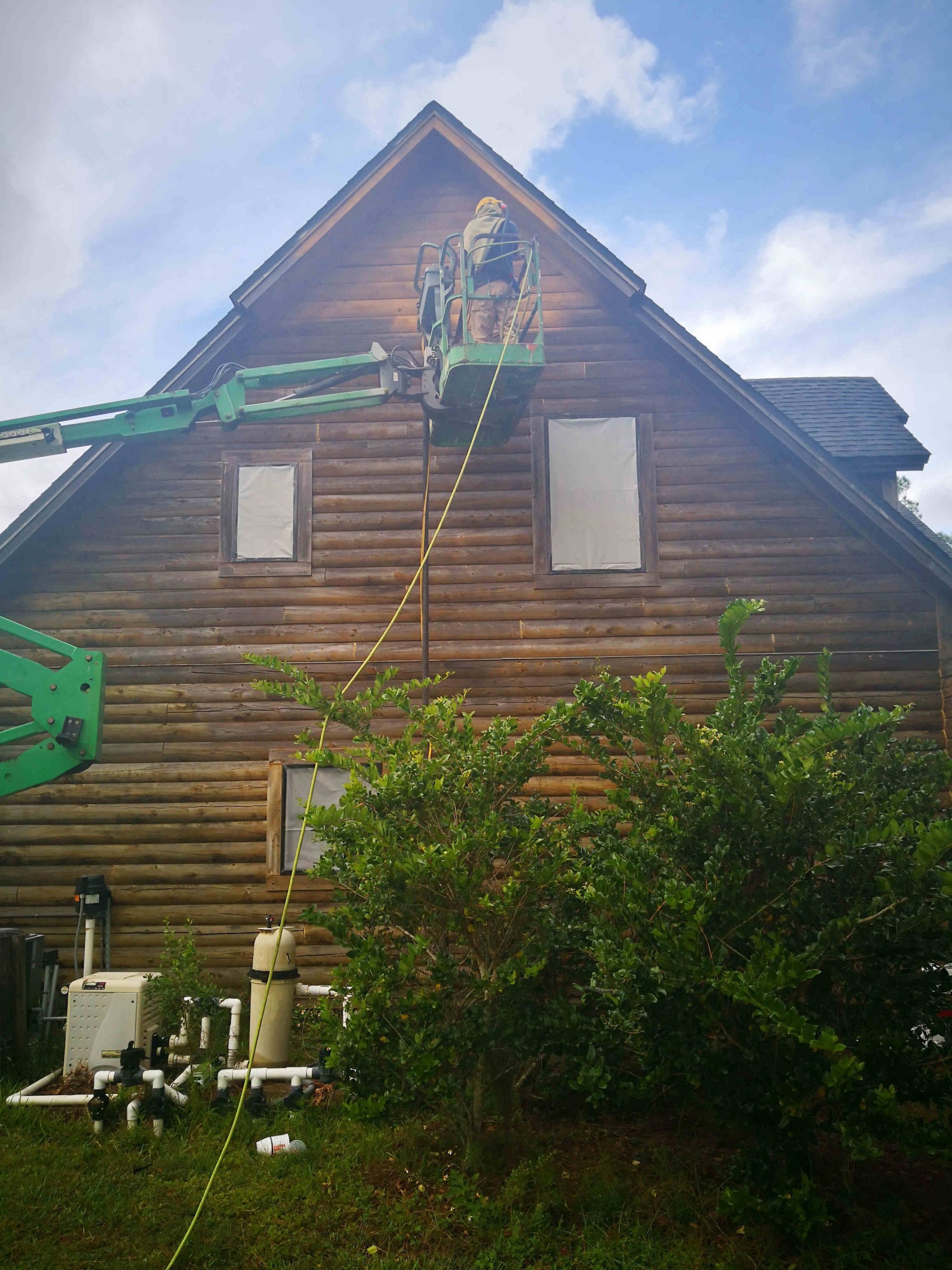
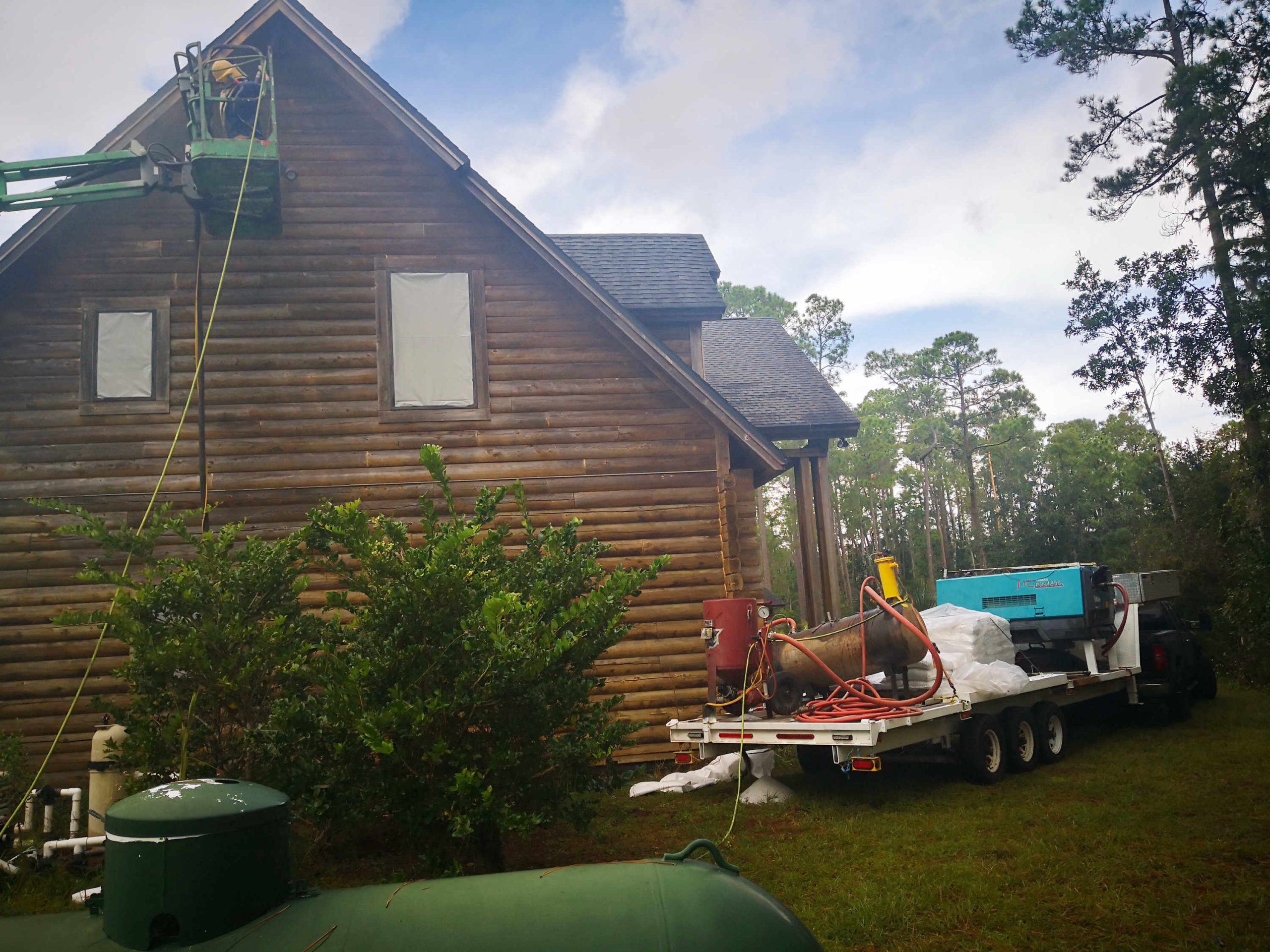
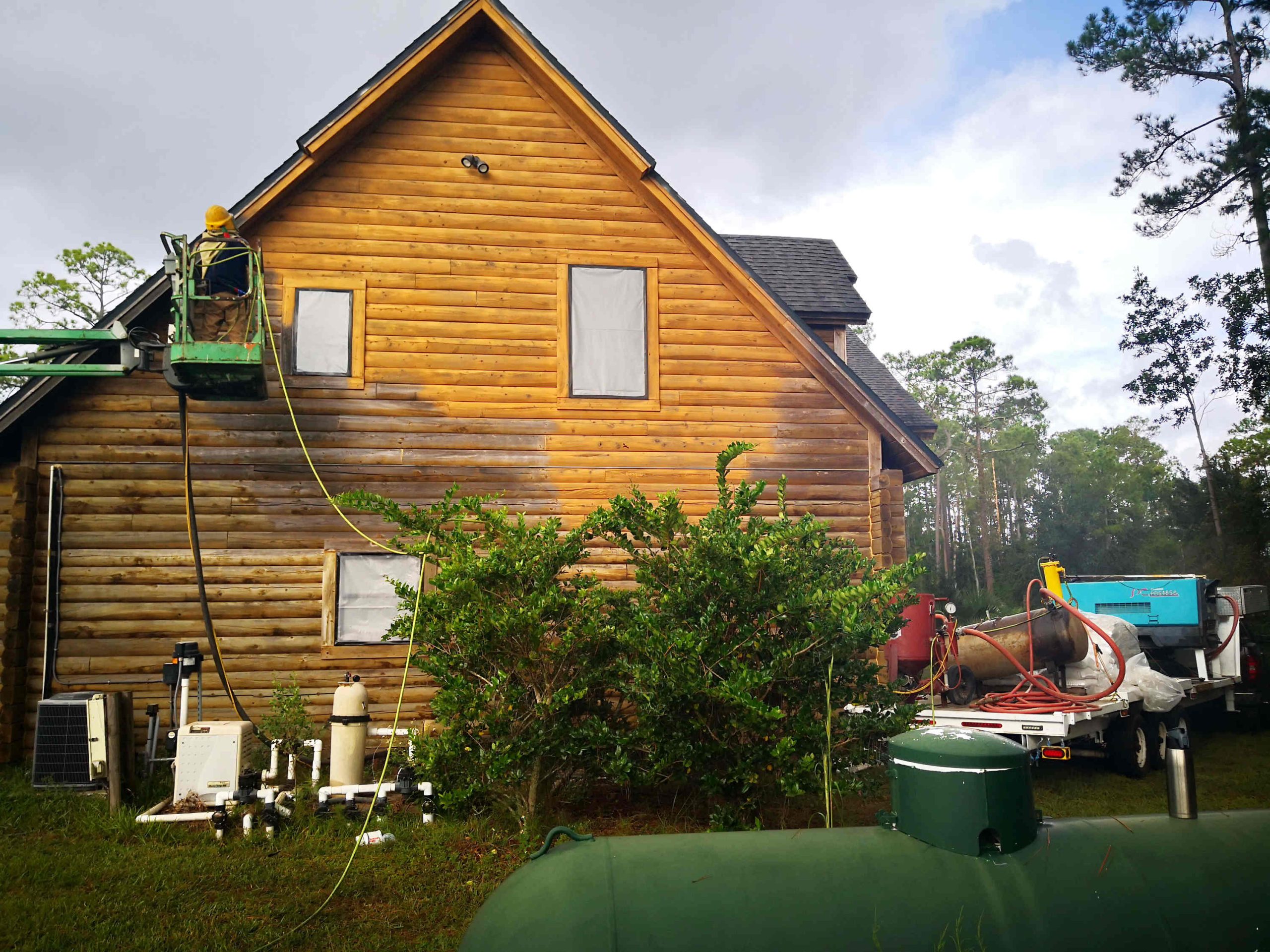
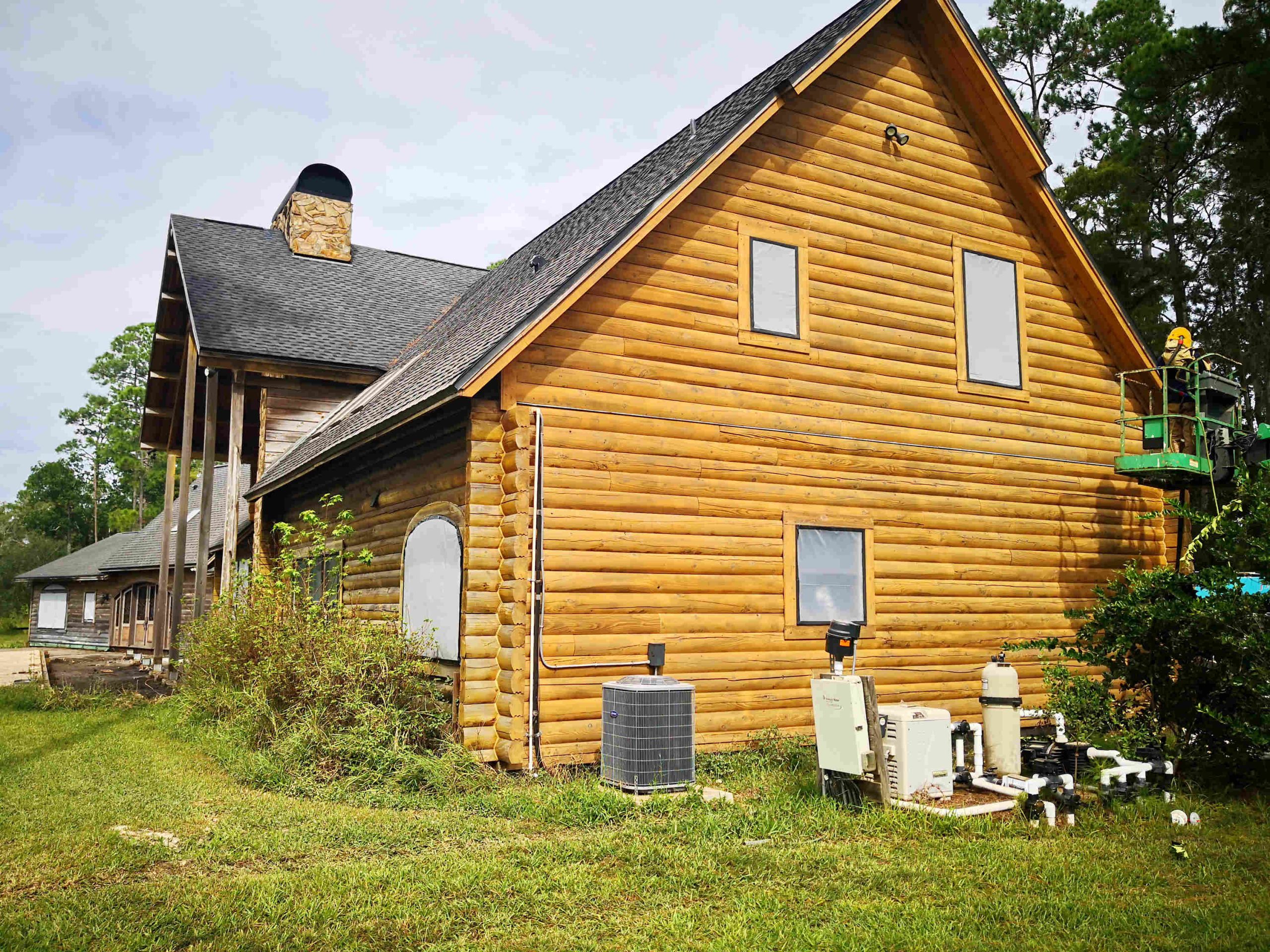
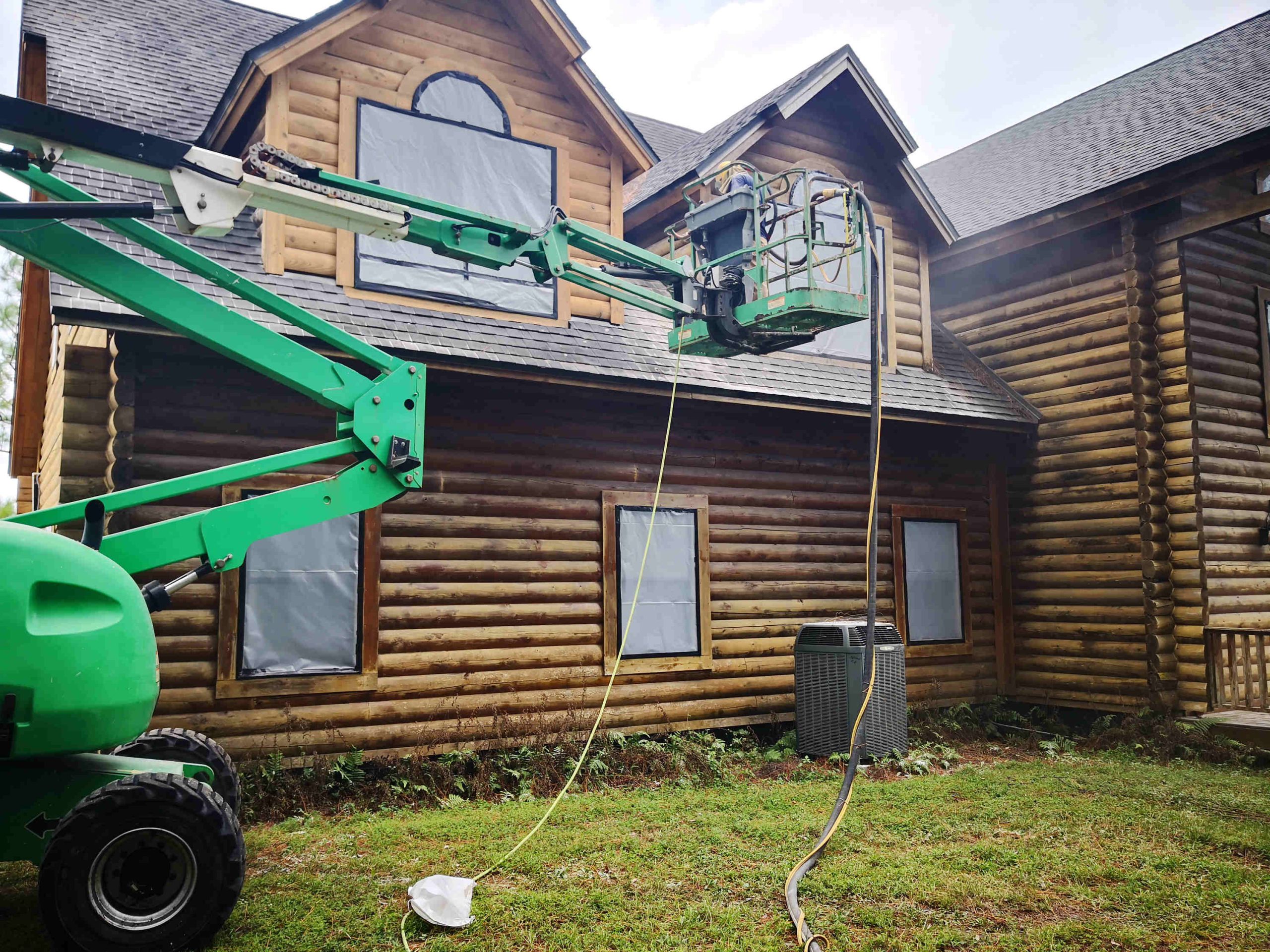
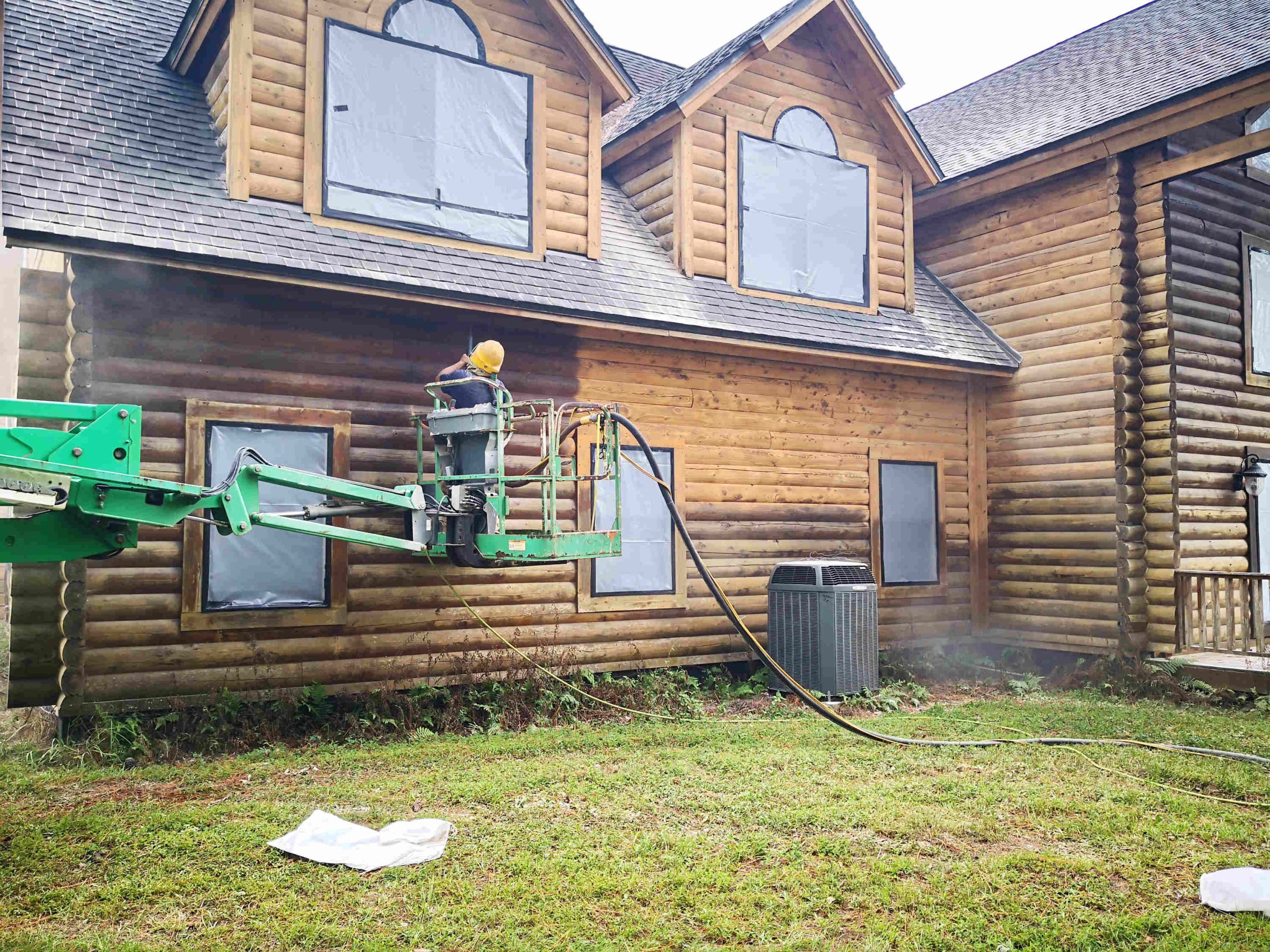
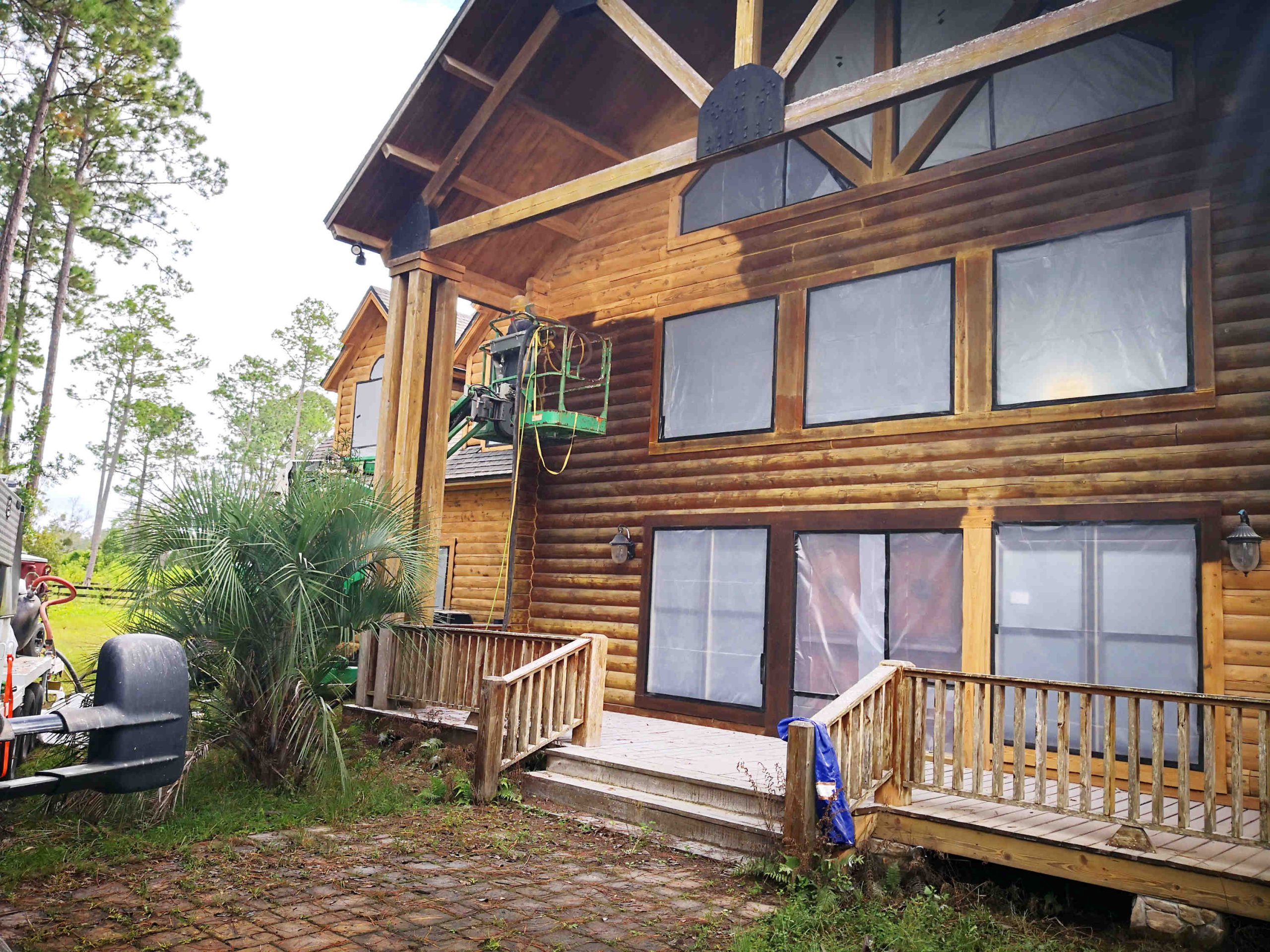
Video of Sandblasting wooden homes, house & log cabins. Removing paint, stain & varnish off wood with traditional sandblasting in St Augustine Florida.
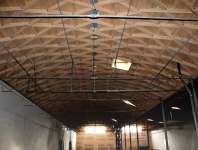
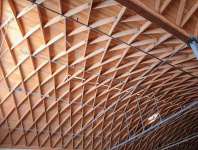
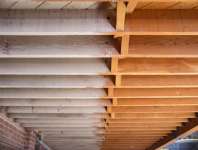
Video of Daytona Beach Florida, paint removal from wood studio ceiling with conventional sandblasting.
Video of Orlando FL Bowling Alley 2, removing paint from stone face with sandblasting.
Video of Sandblasting paint removal off of wood ceiling in Brunswick Georgia.
Video of an Orlando Florida Bowling Alley removing/sandblasting paint from stone face.
Video of Soda Blasting, Removing varnish & stain from old antique wood bar.
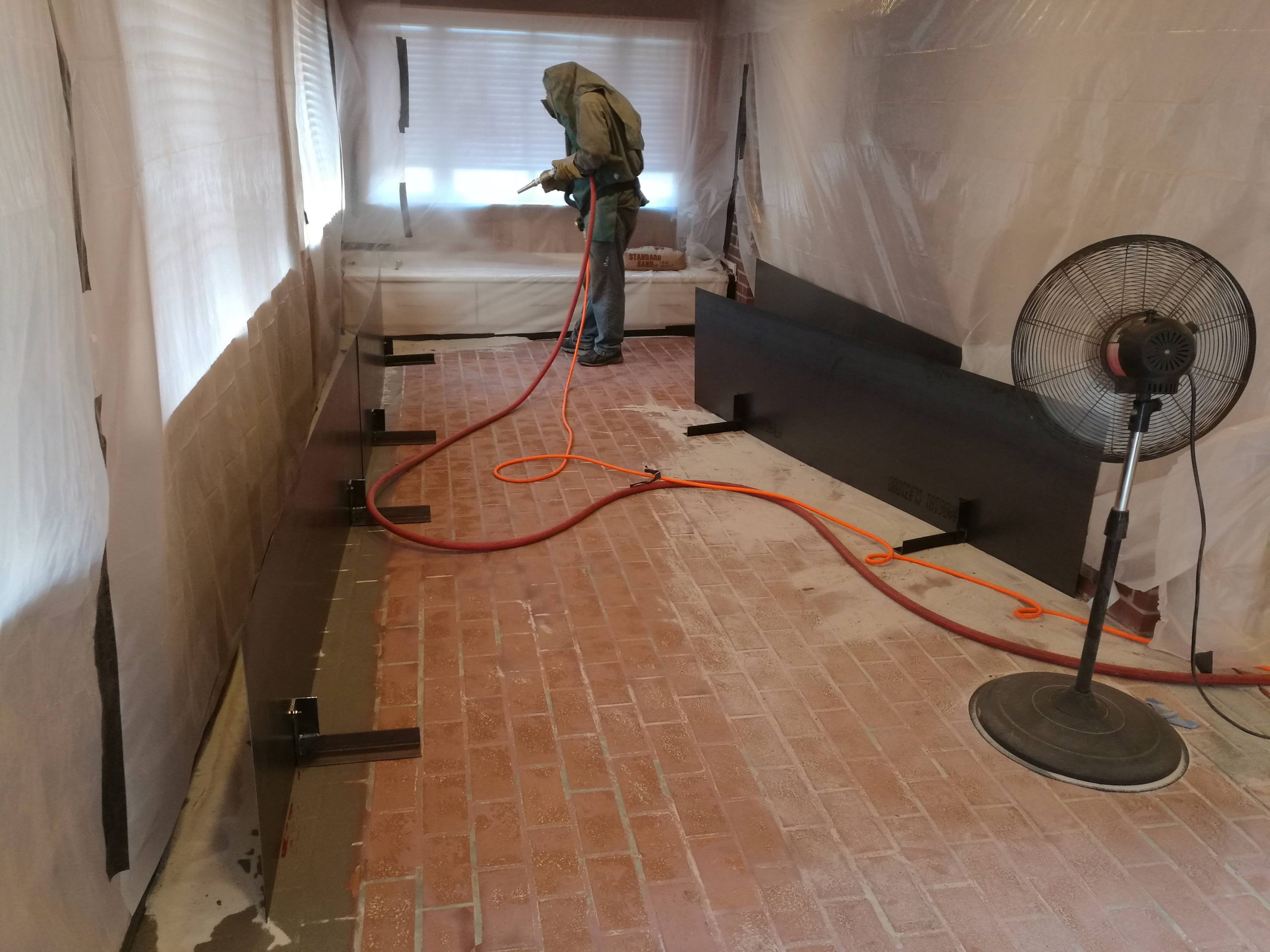
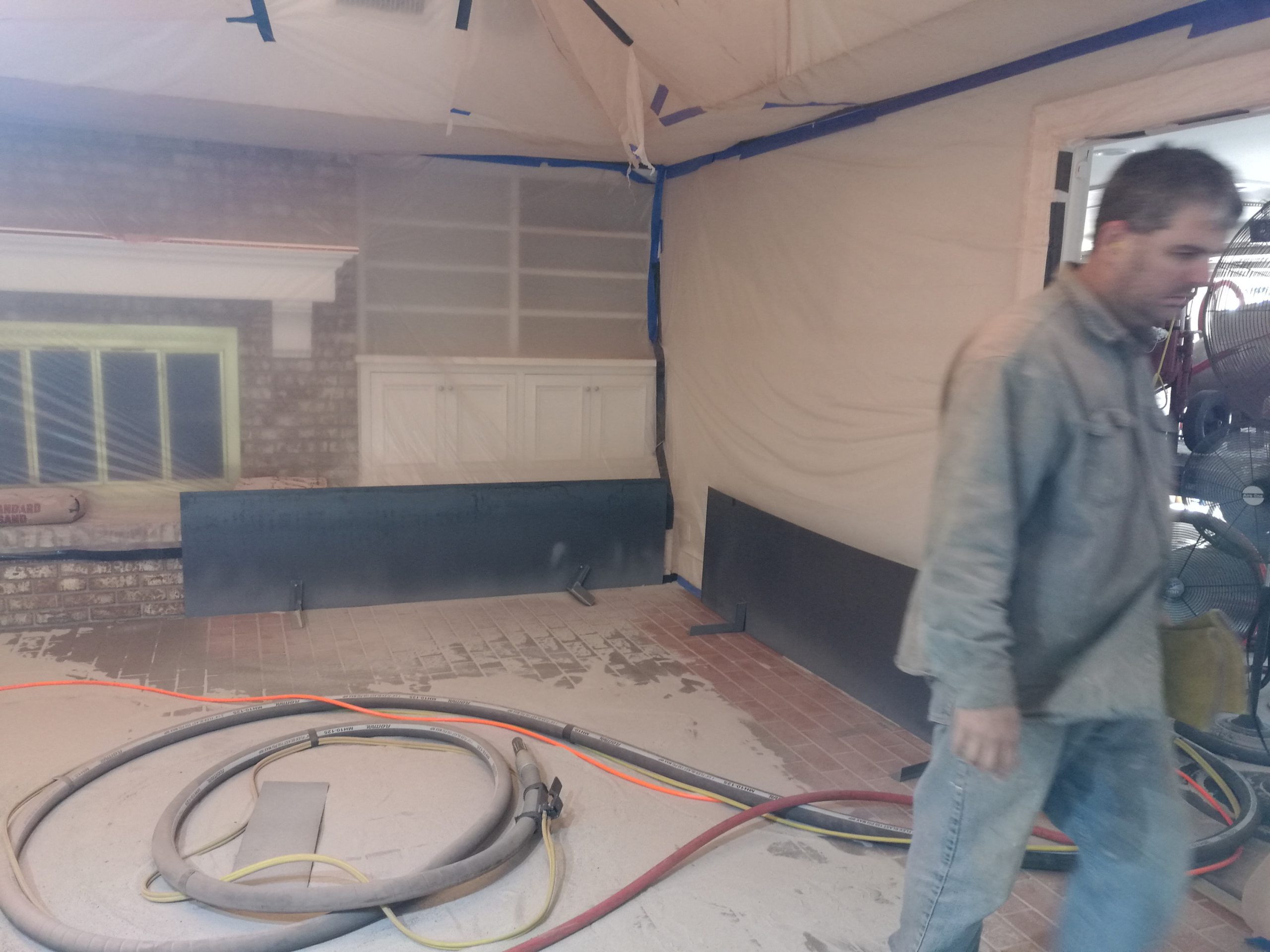
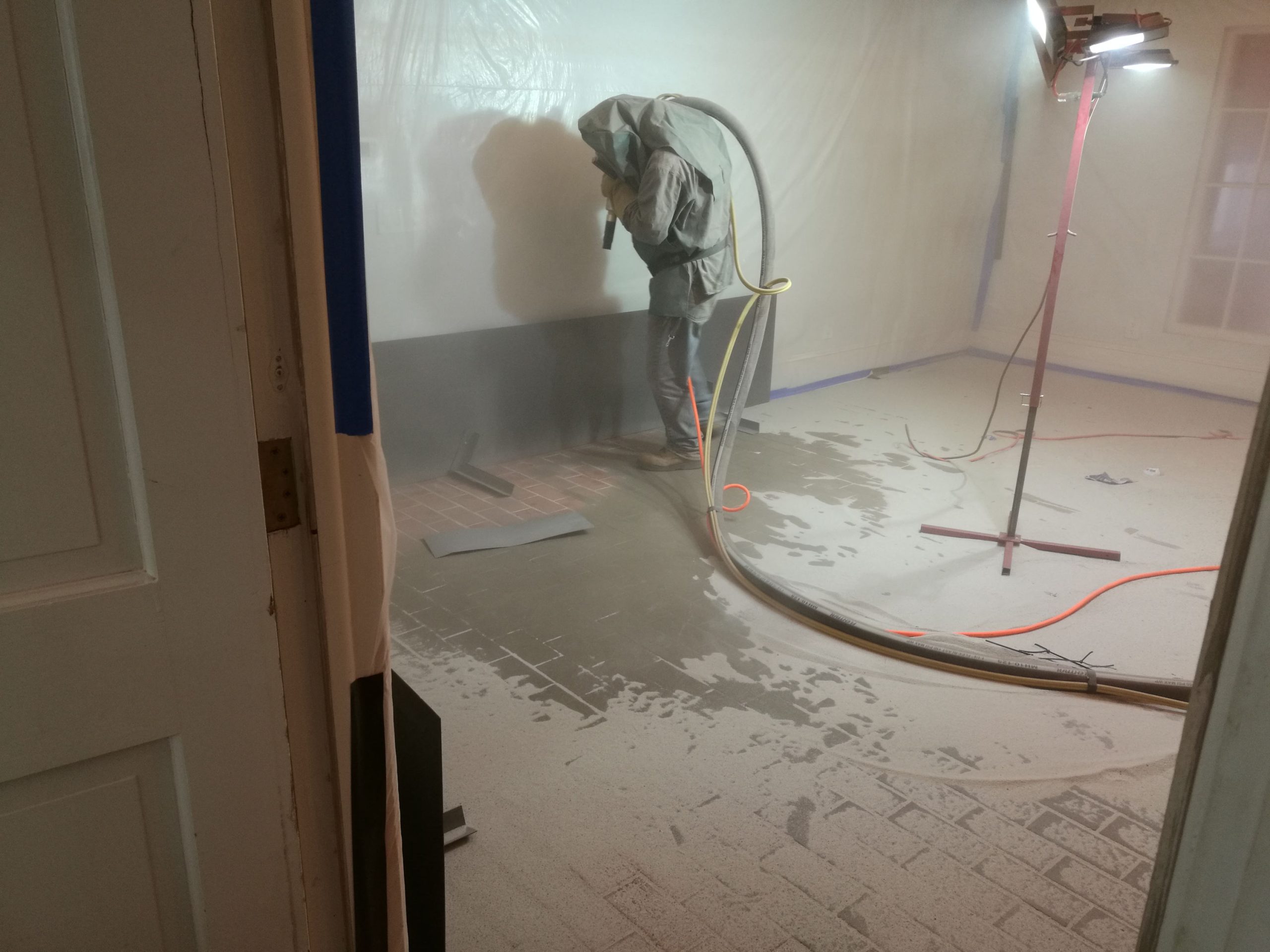
Sandblasting paint off of a brick fireplace inside a house in St Augustine FL.
Our Mission
Our mission is to provide residential, commercial, and industrial clients, the best sandblasting service in the industry through quality performance and superior service. We understand what is expected of outstanding contractors – good workmanship and honesty so we hold ourselves to a high norm, and that is what our clients receive.
Dustless blasting / Wet Sandblasting
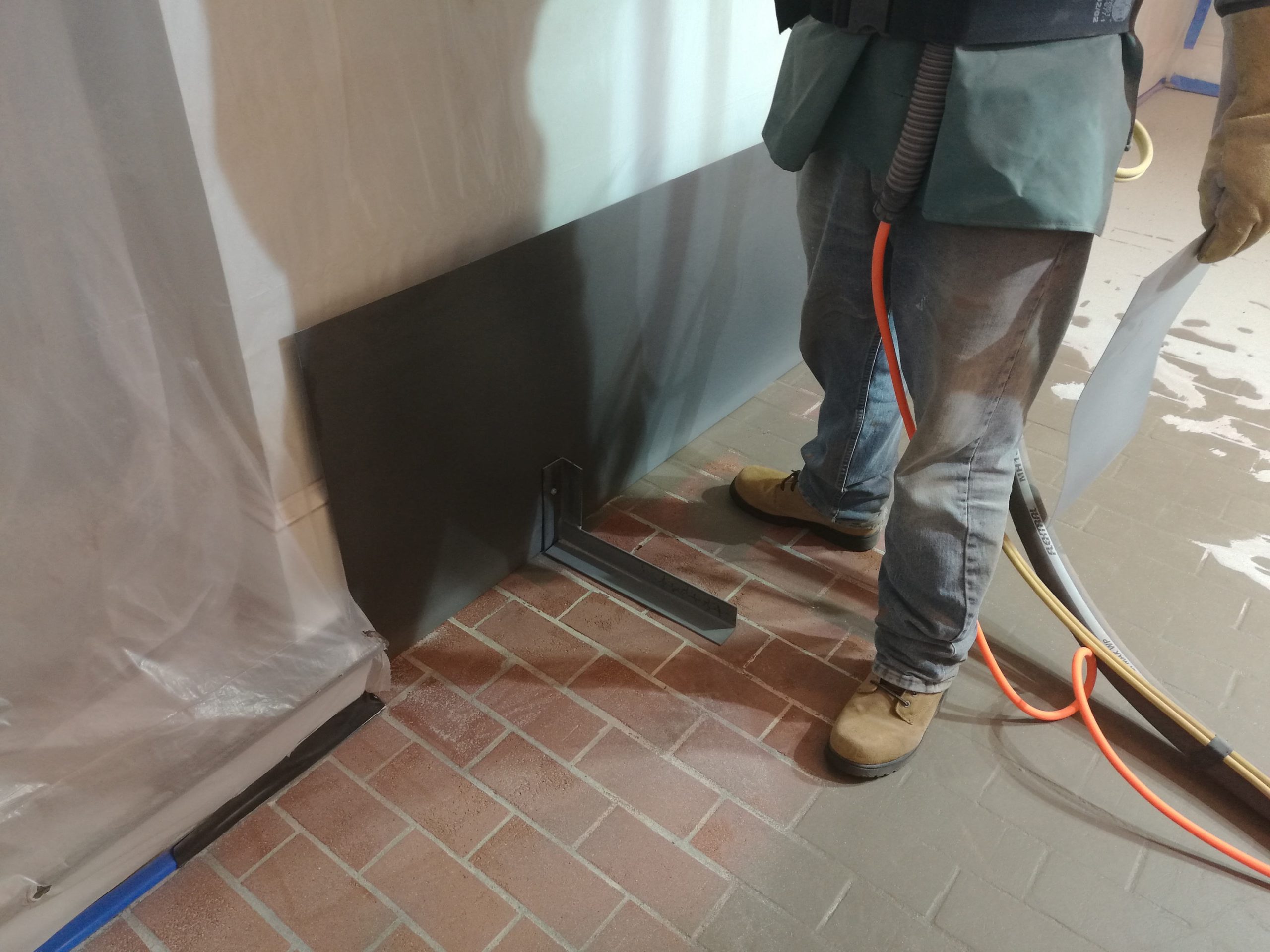
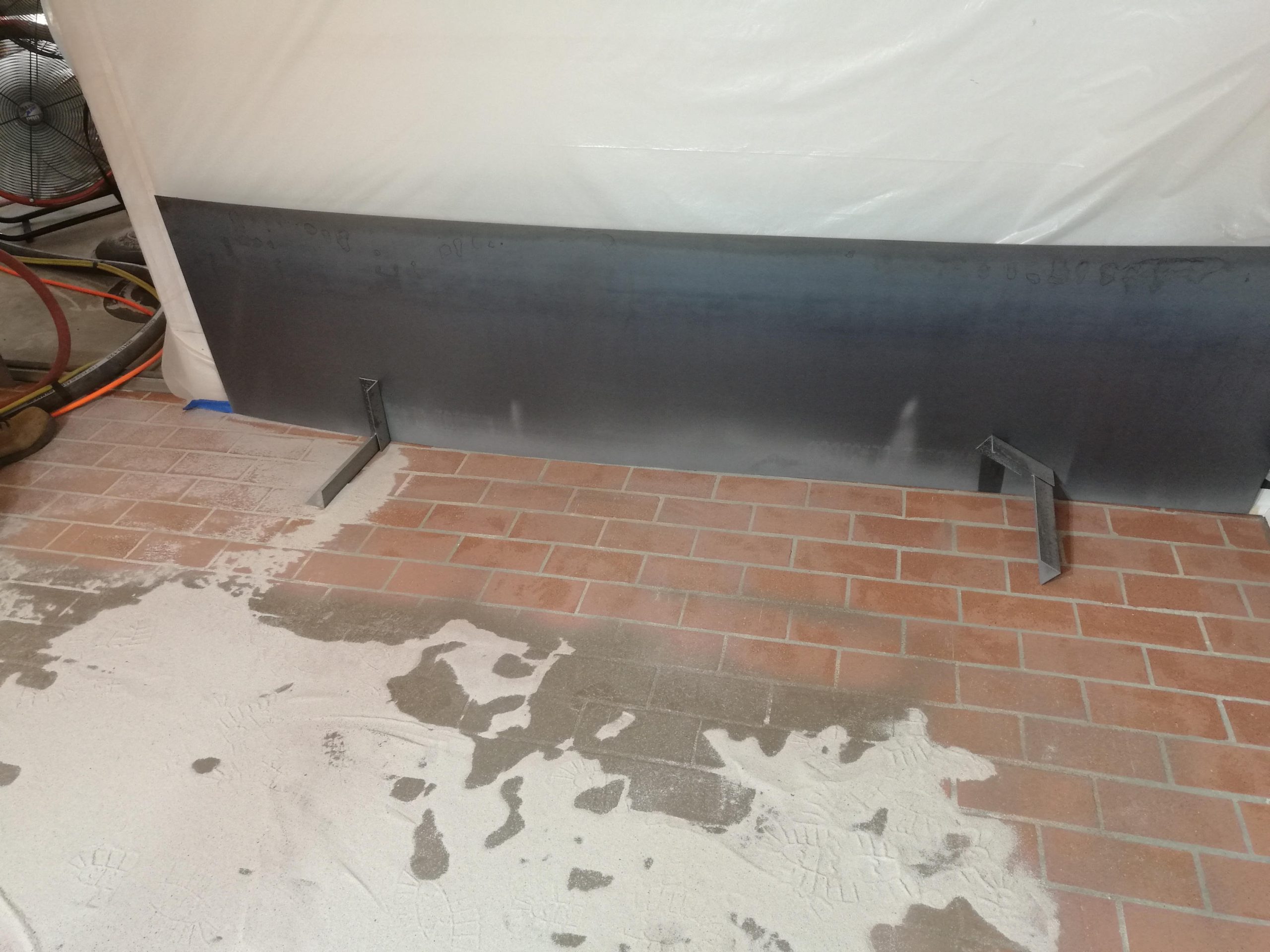
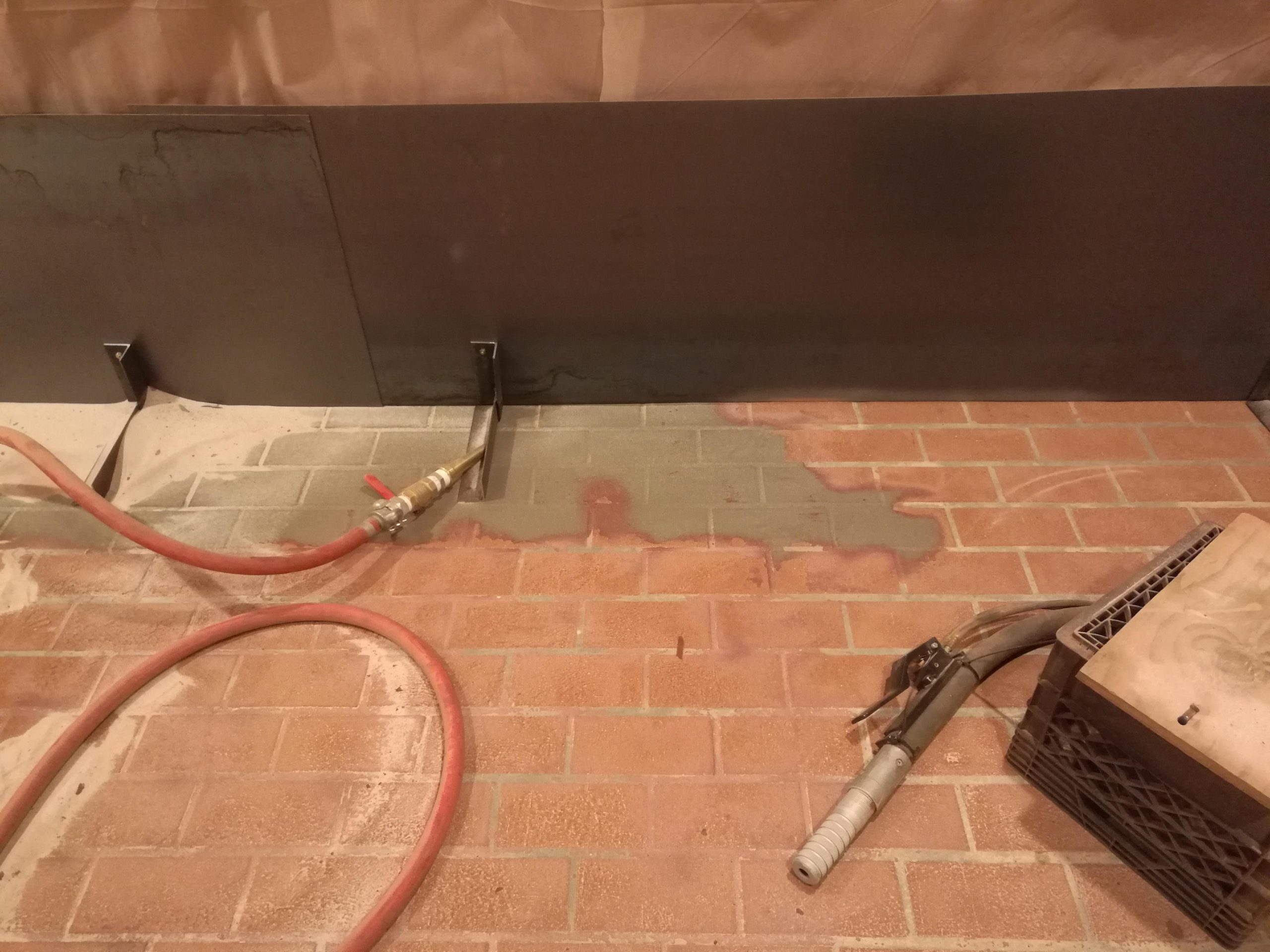
Dustless blasting/Wet sandblasting means water is used in the technique to remove paint, tex-cote or old stucco, from a surface. Silica sand is the most commonly used material, but any small, relatively uniform particles will work. Gainesville FL Sandblasting works on residential, commercial, and industrial structures.
This type of sandblasting can also be used on concrete/stone. Porches can be sandblasted to remove layers of paint to achieve the original old concrete clean look.
Dustless blasting / Wet Sandblasting
We have the knowledge and experience to help you with your architectural sandblasting project.
Architectural sandblasting is required when the appearance of a finished surface needs a new look, or when the original look is desired. This form of sandblasting can be used to expose the aggregate in cases such as:
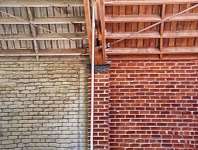
• brick has layers of paint and the original brick look is desired
• concrete/stone in structure design need surface cleaning
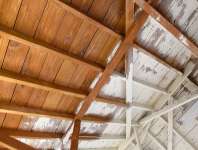
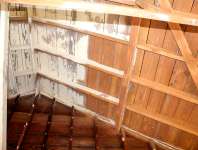
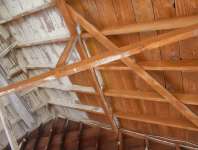
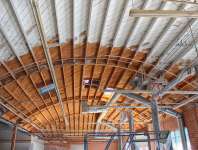
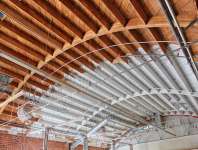
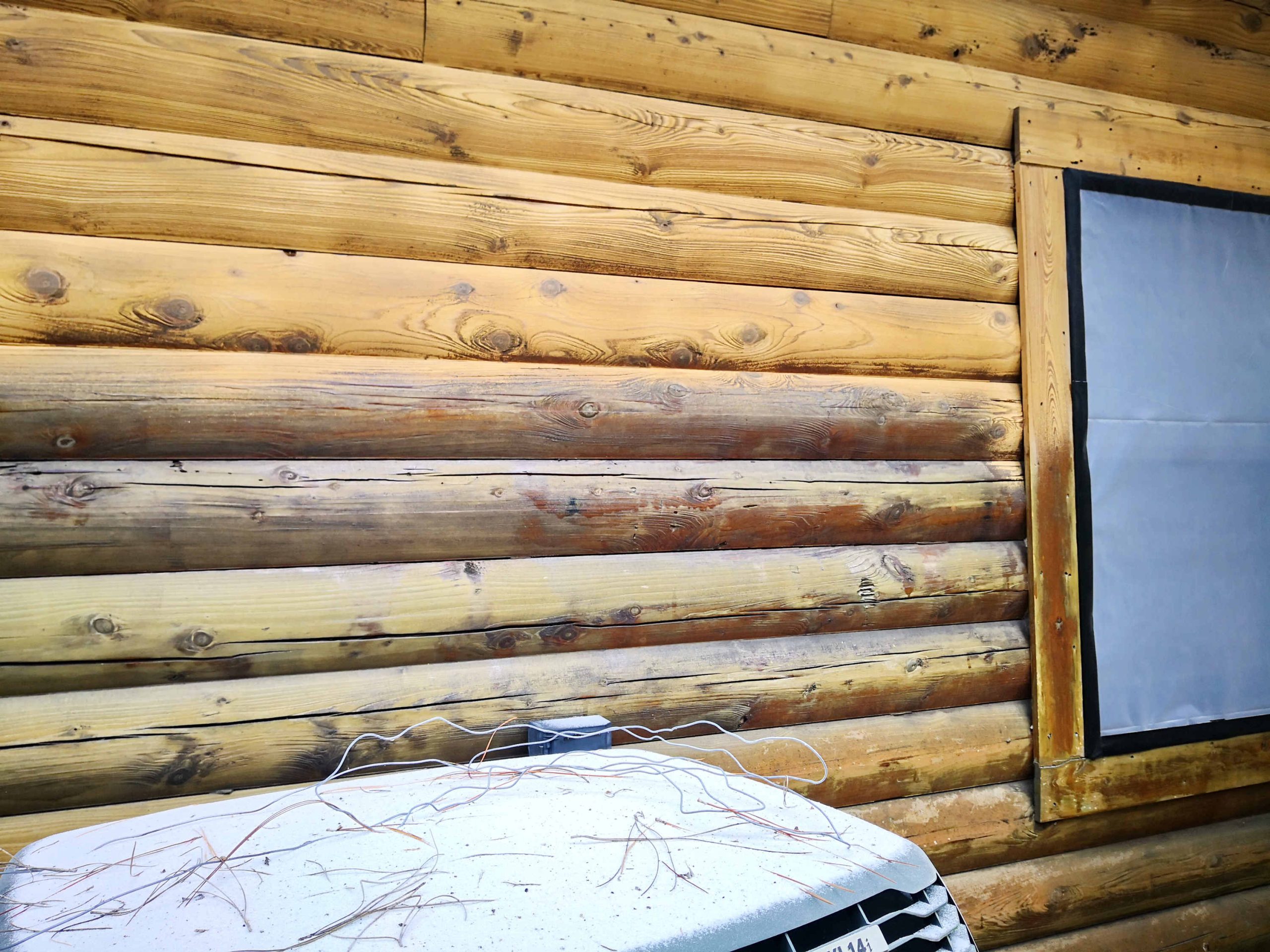
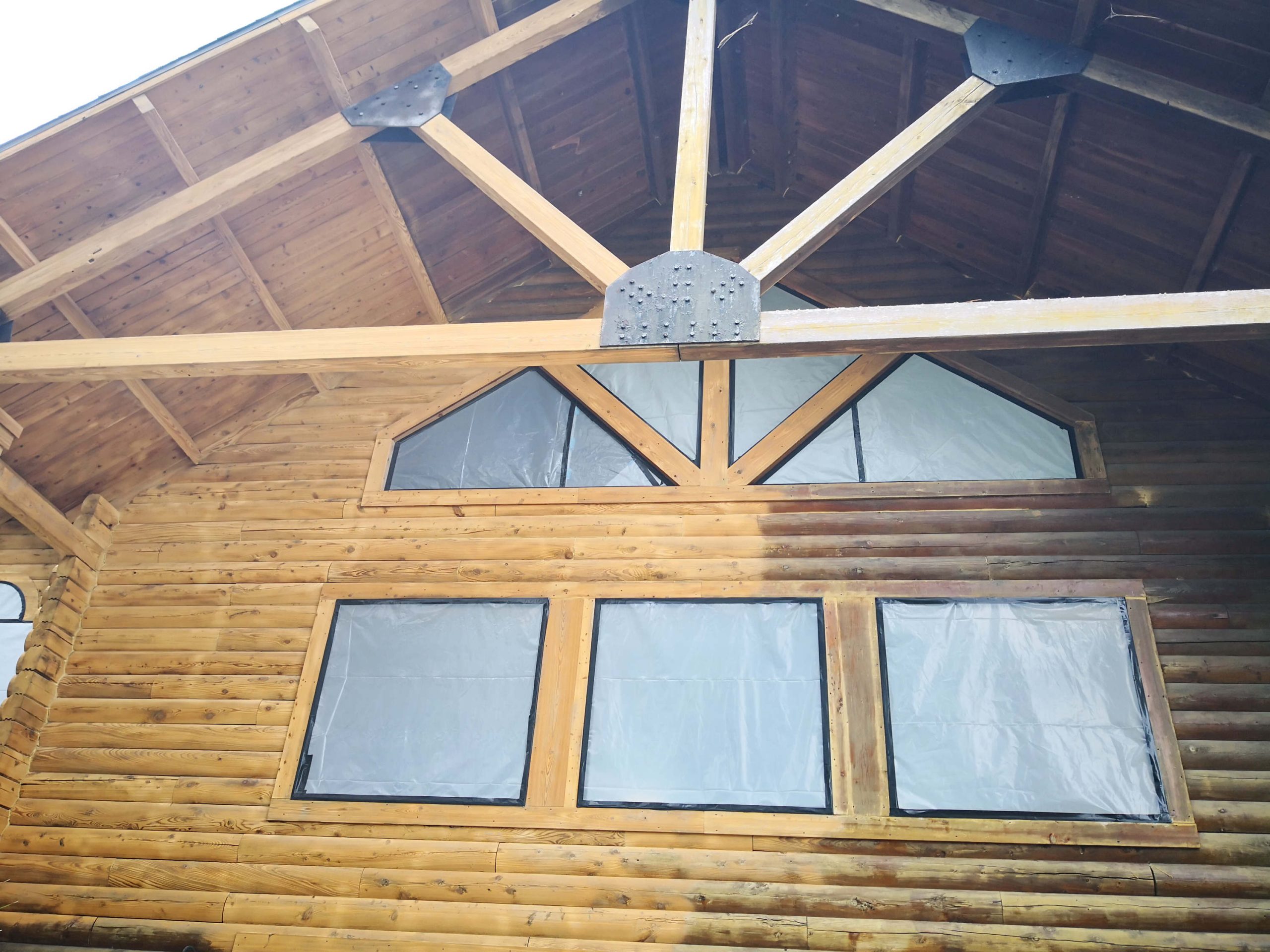
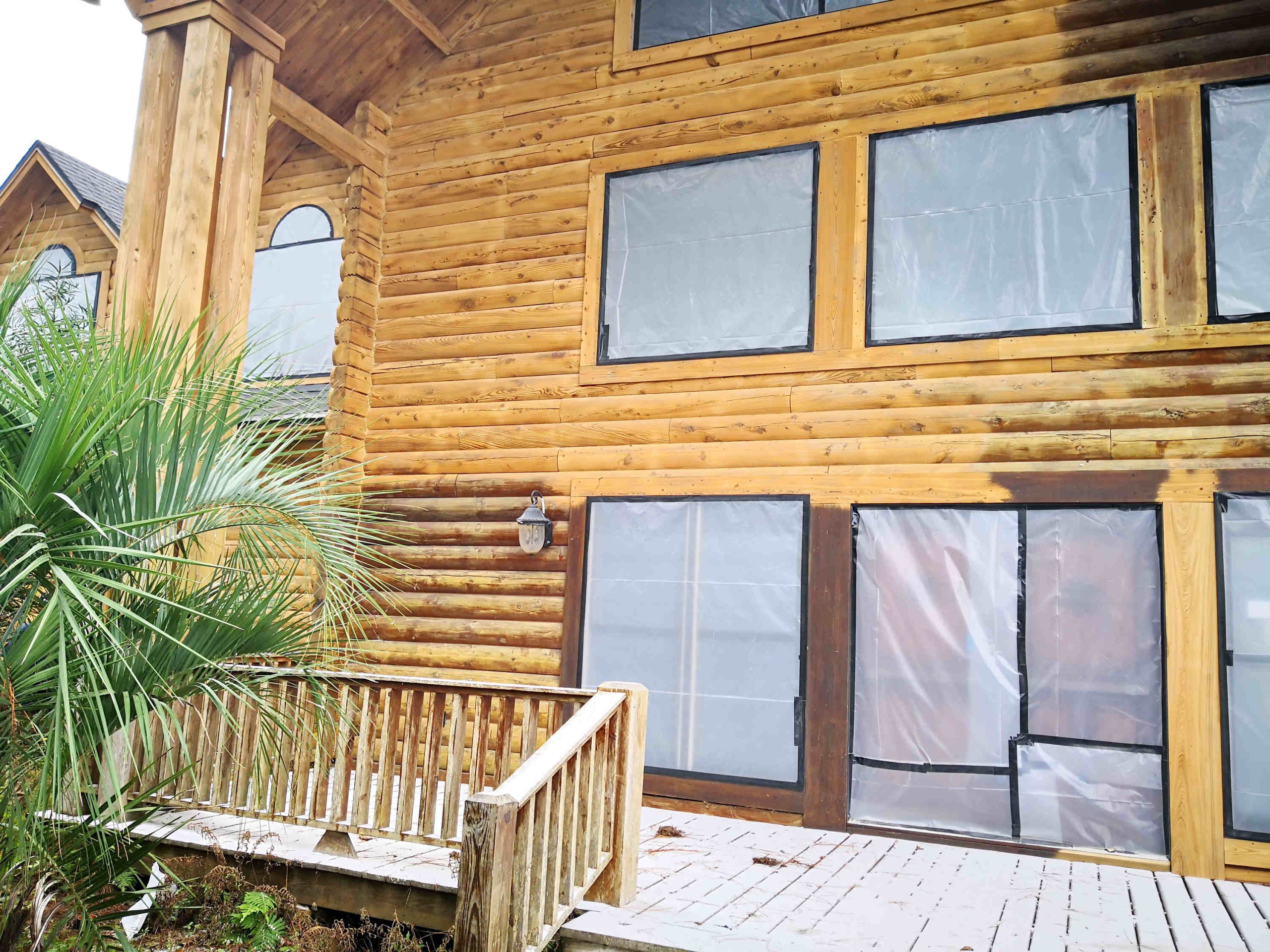
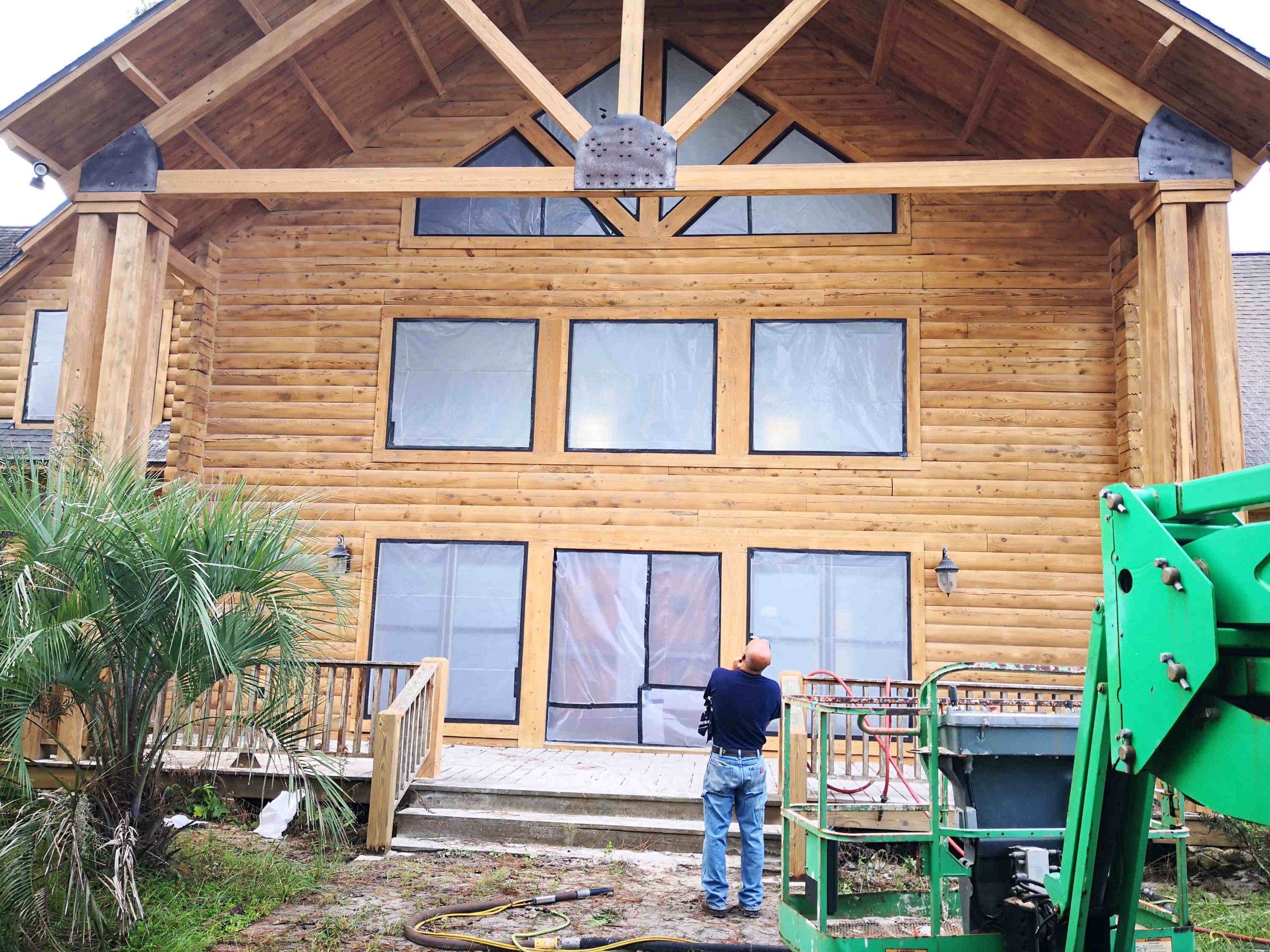
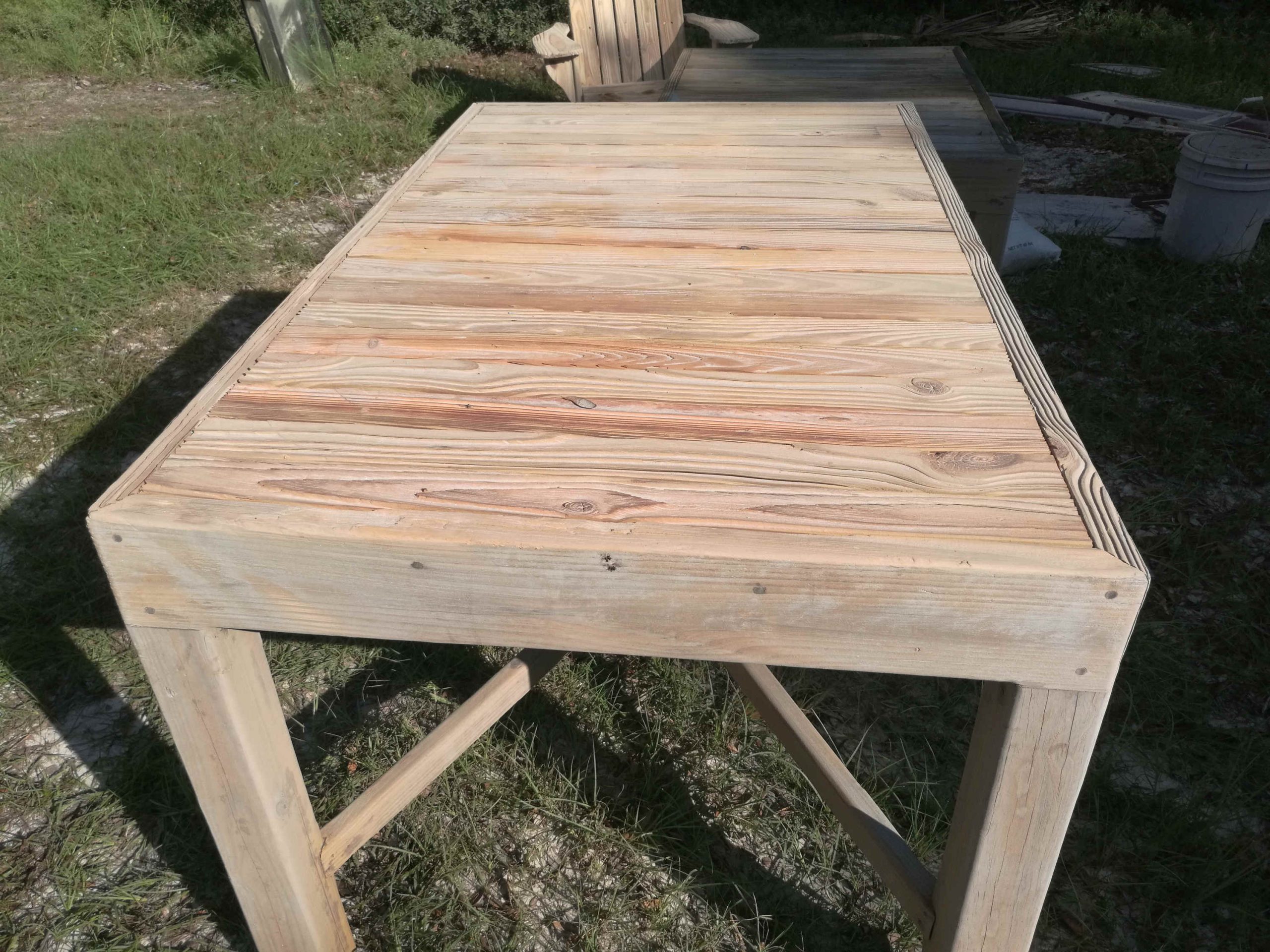
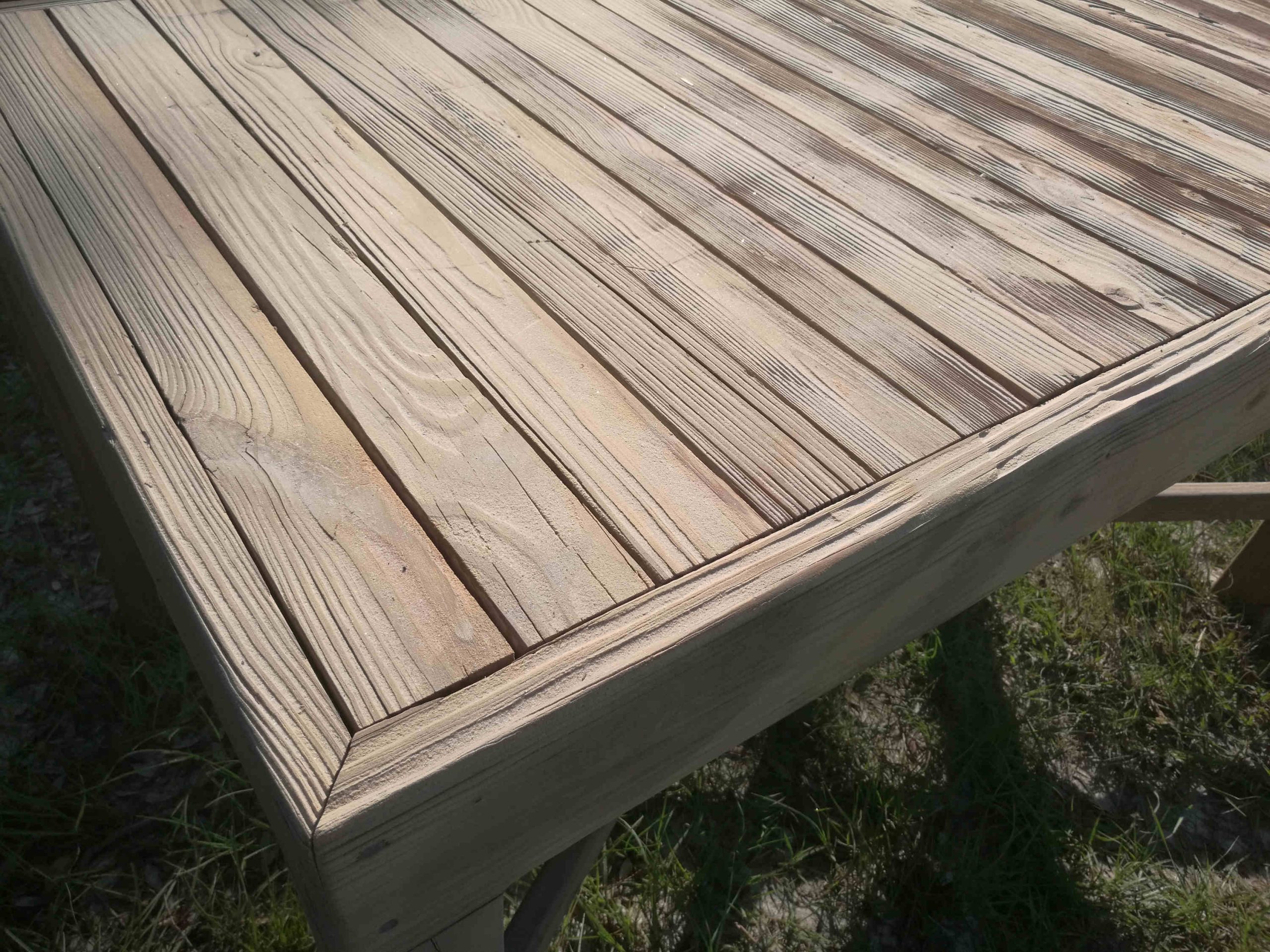
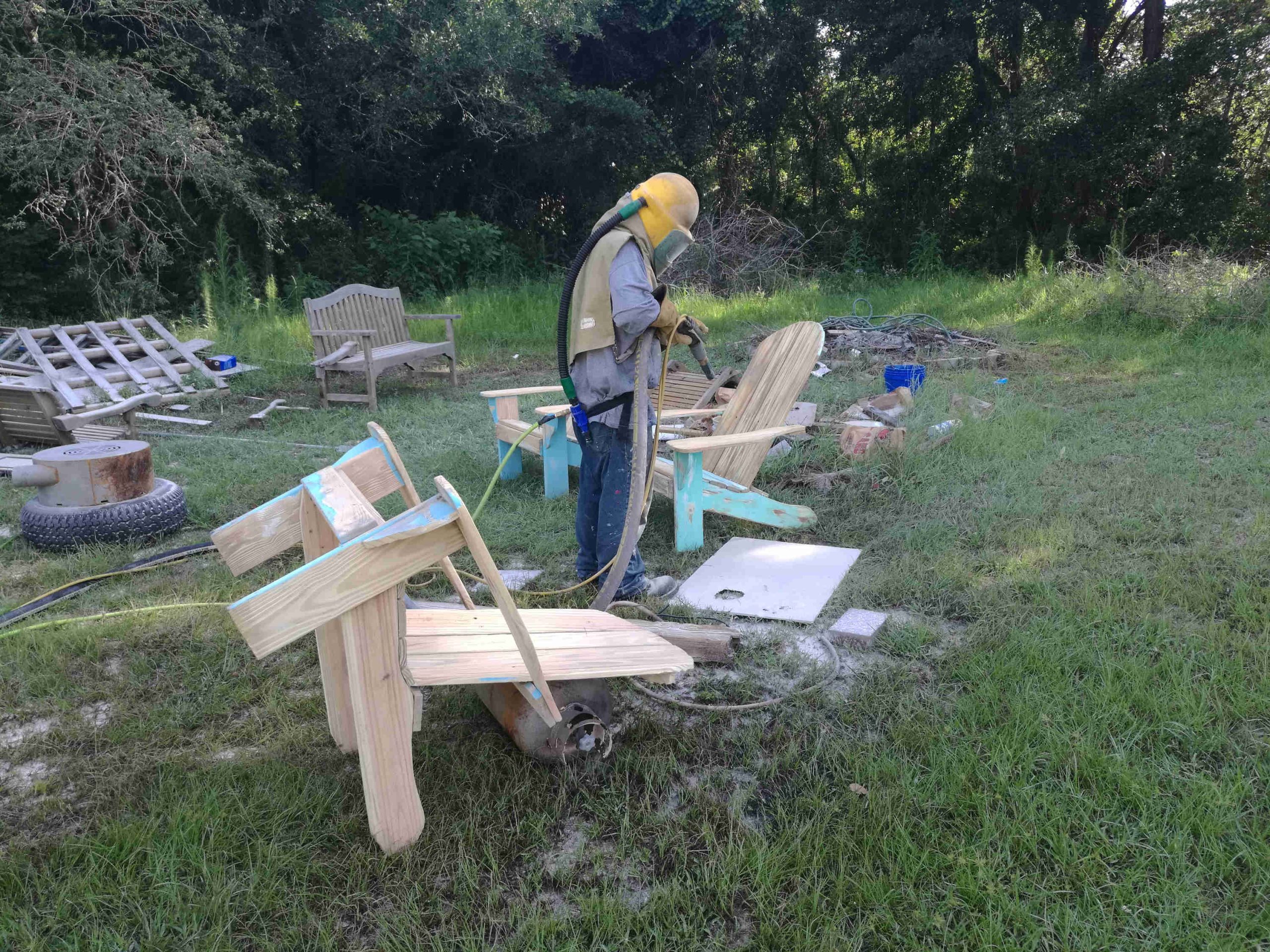
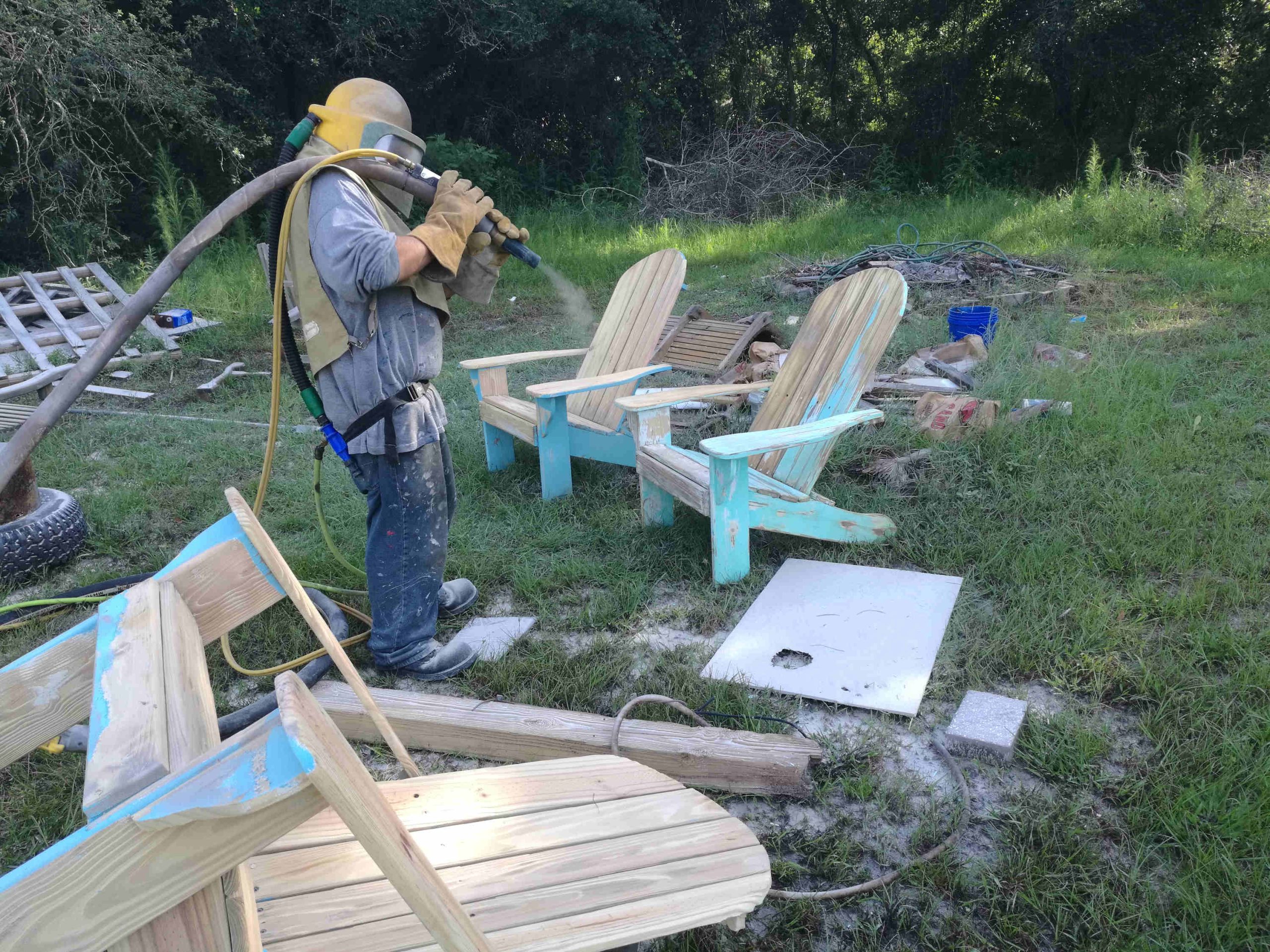
Architectural sandblasting can be used on a range of wood projects in homes or commercial sites. Uses include cleaning old surface coatings, or stripping stain or paint from beams, ceiling wood décor, exposing the grain in wood for raised grain effect, or to remove smoke or fire damage stains. We can also restore wood ceiling beams, and restore original siding to achieve a new look.
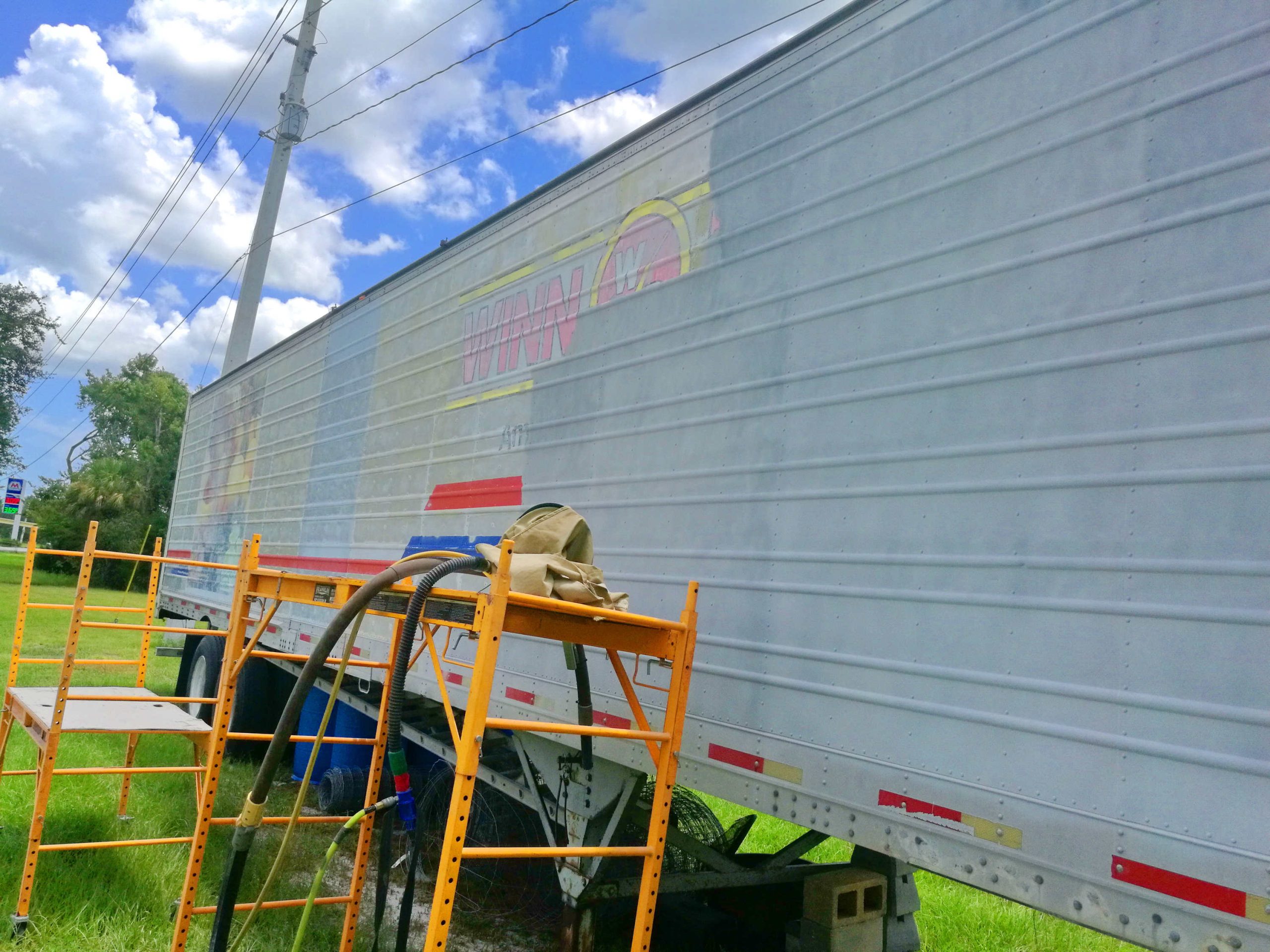
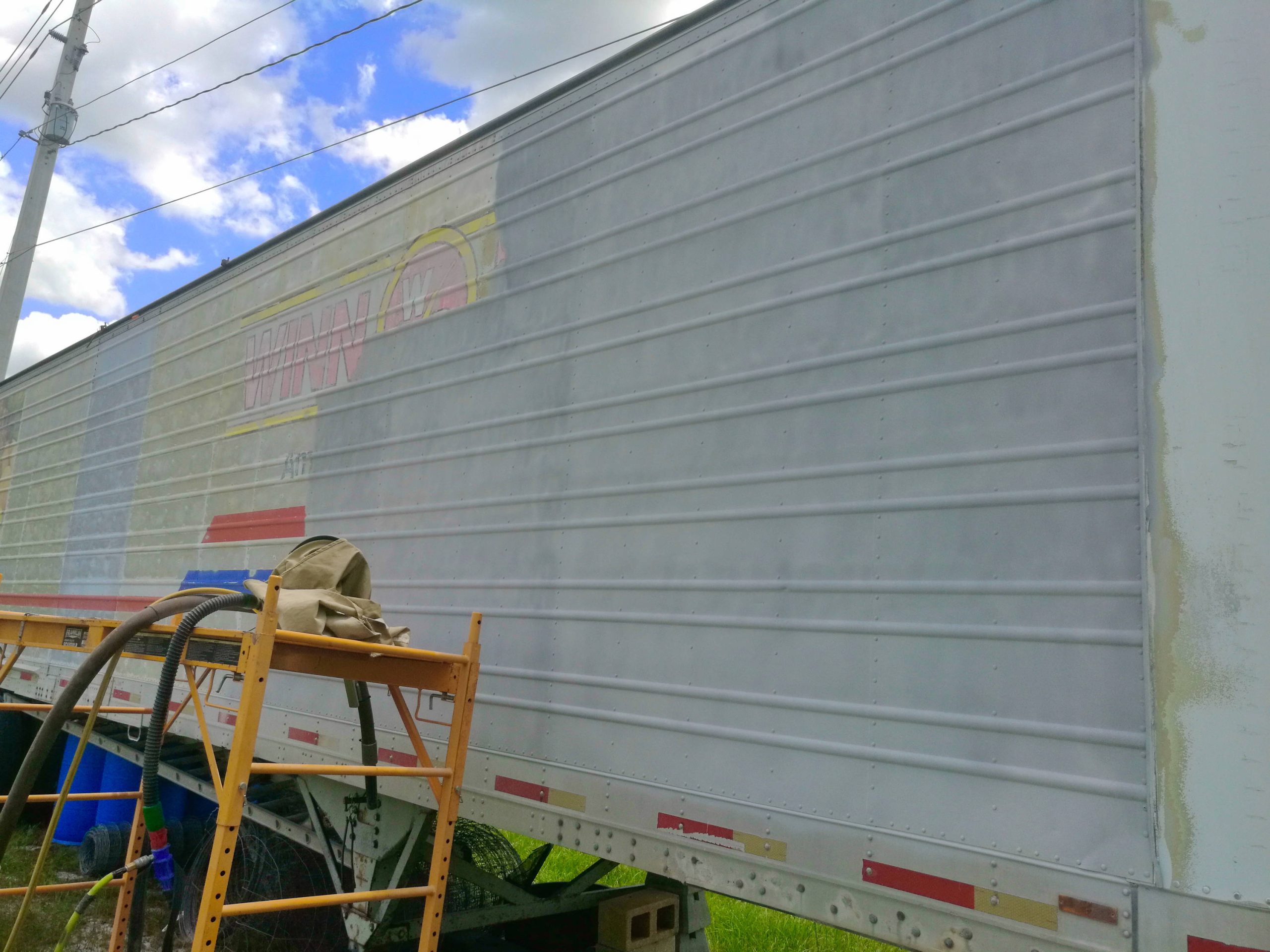
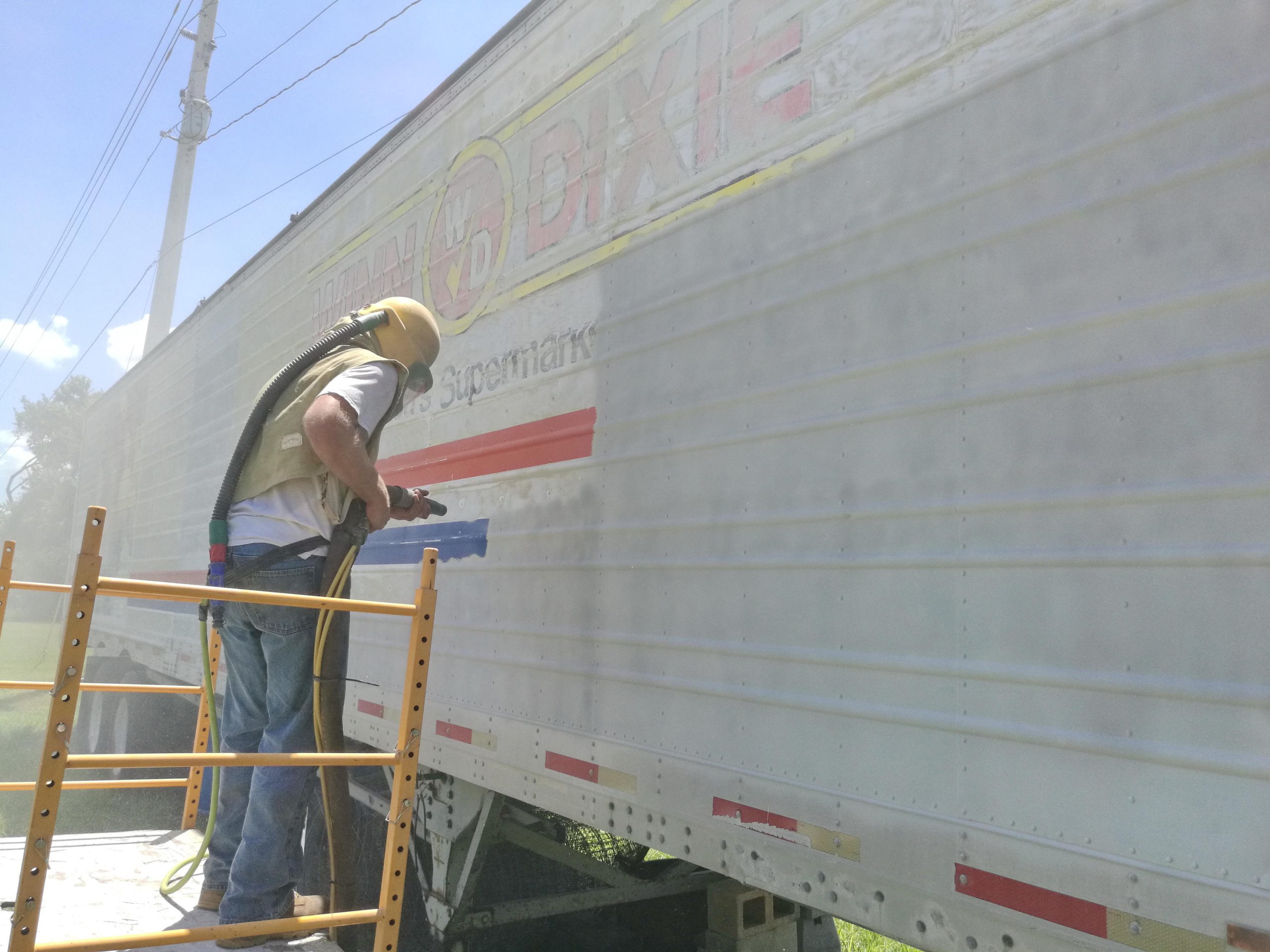
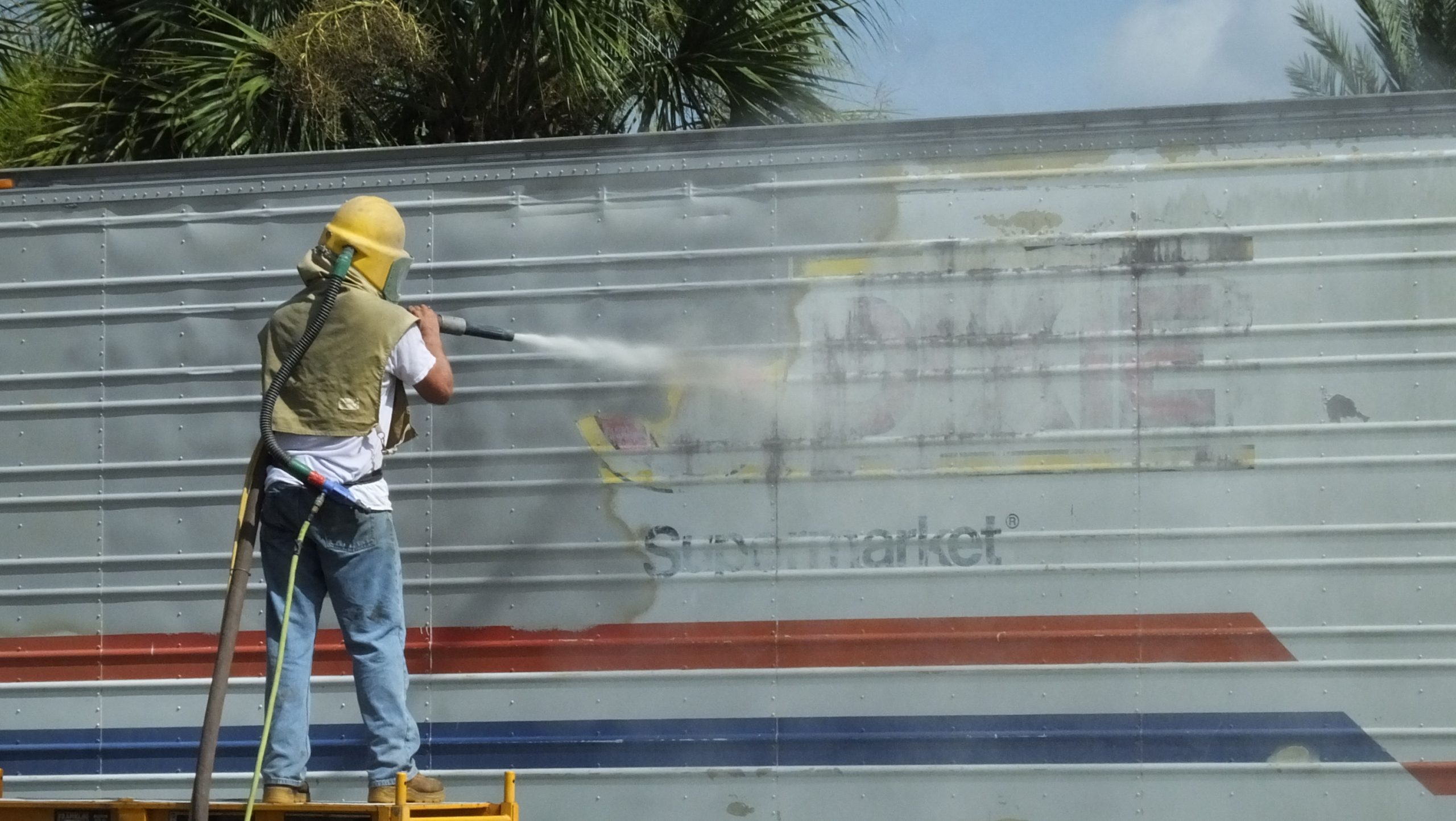
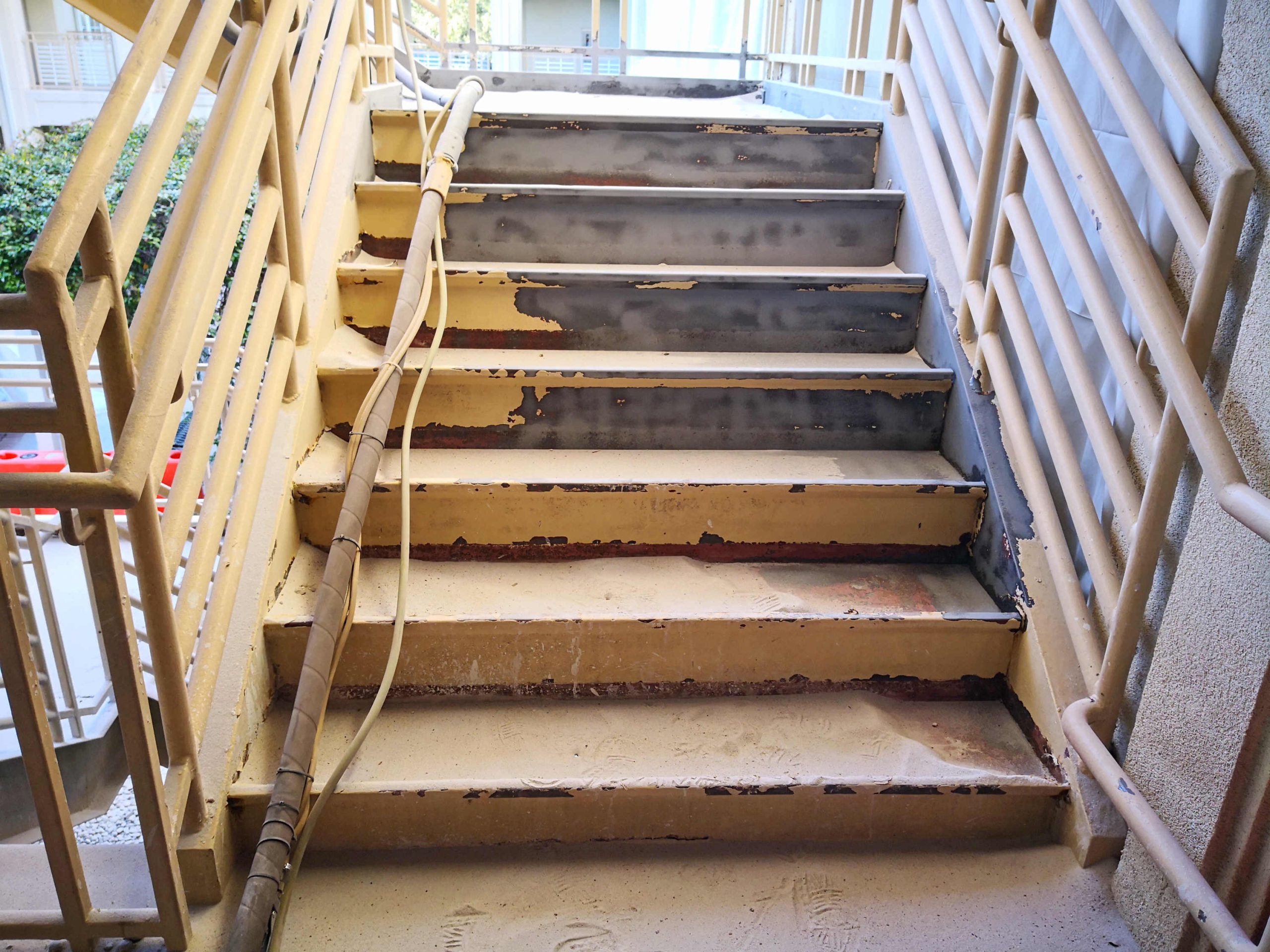
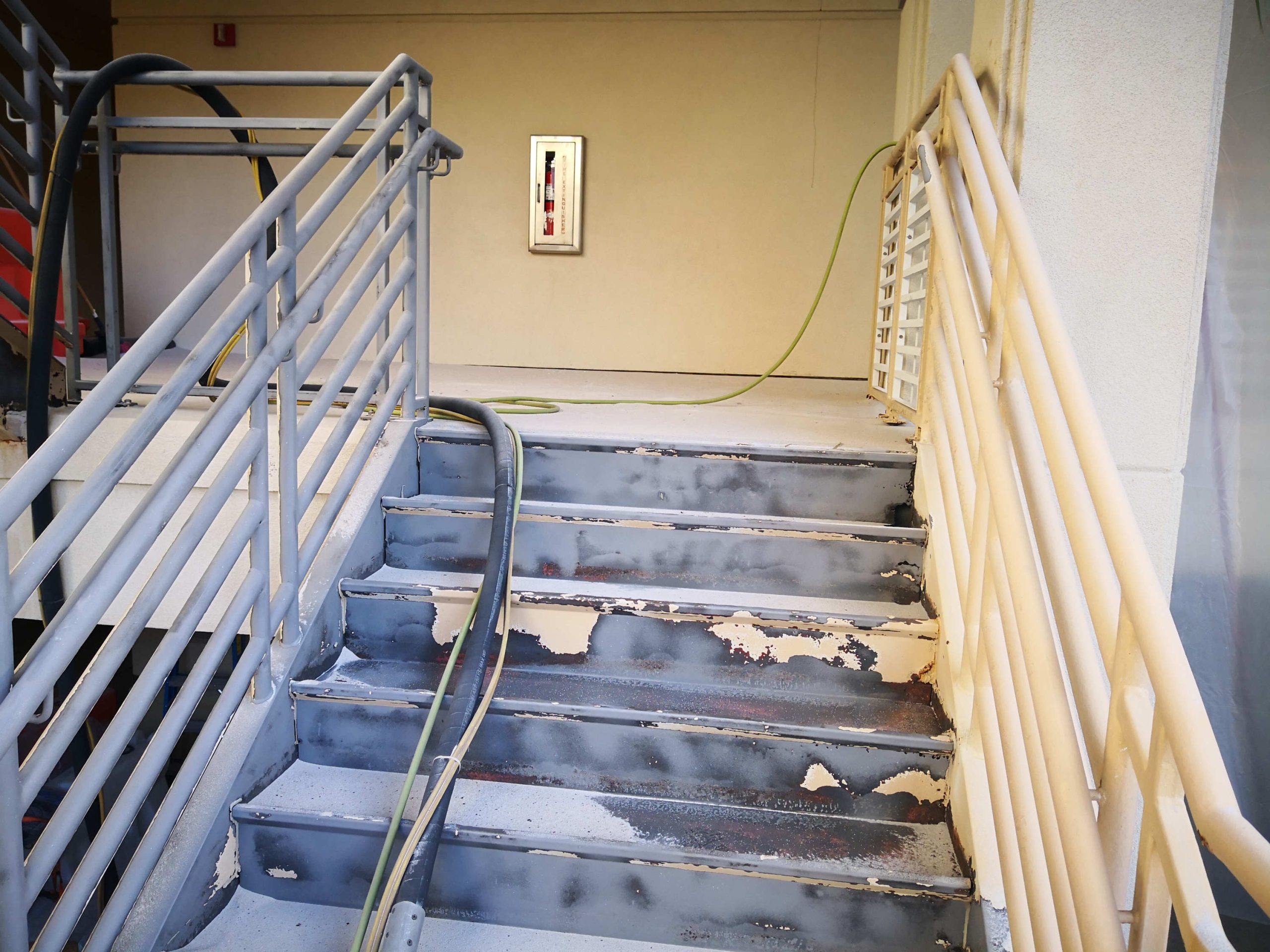
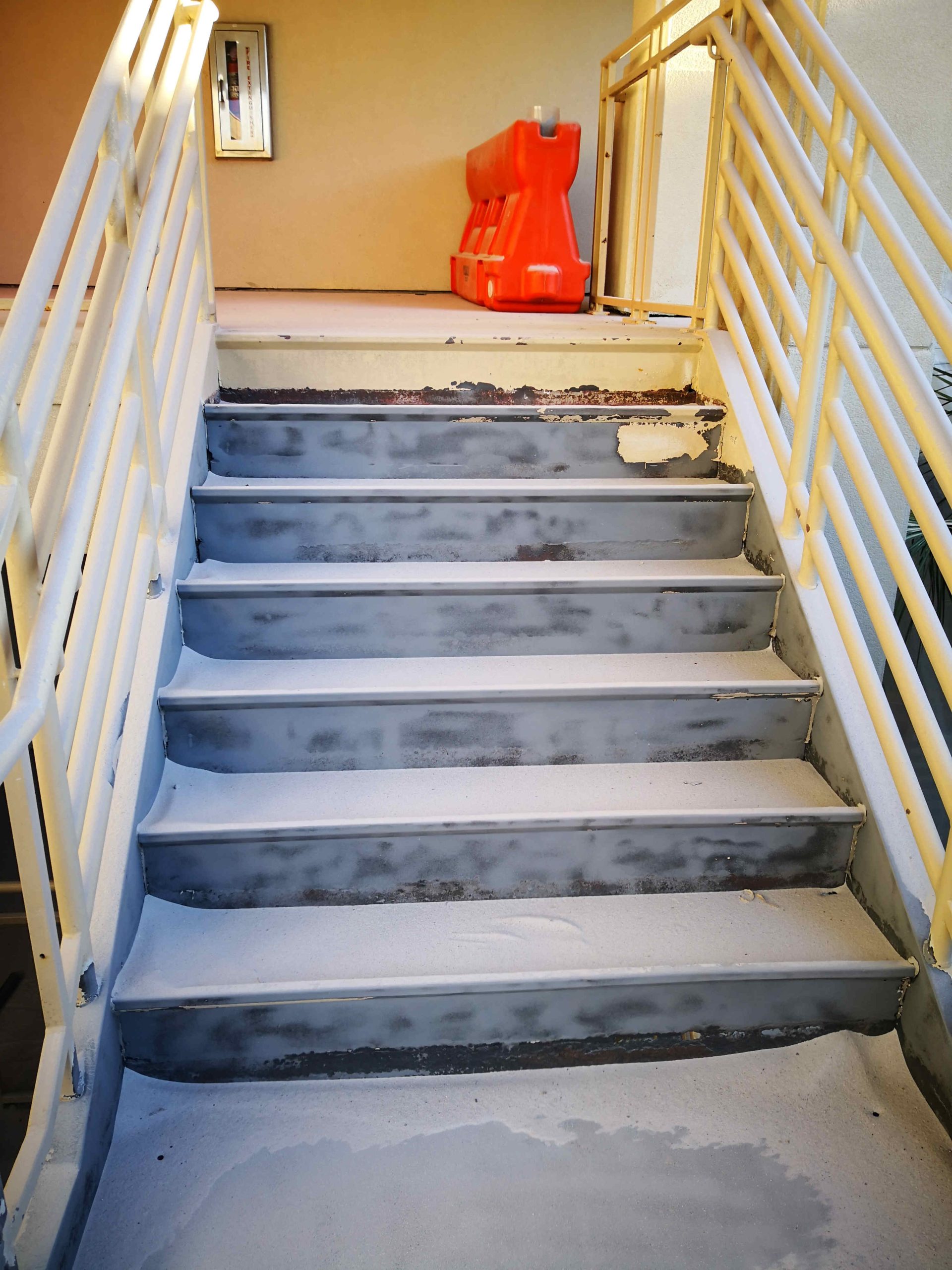
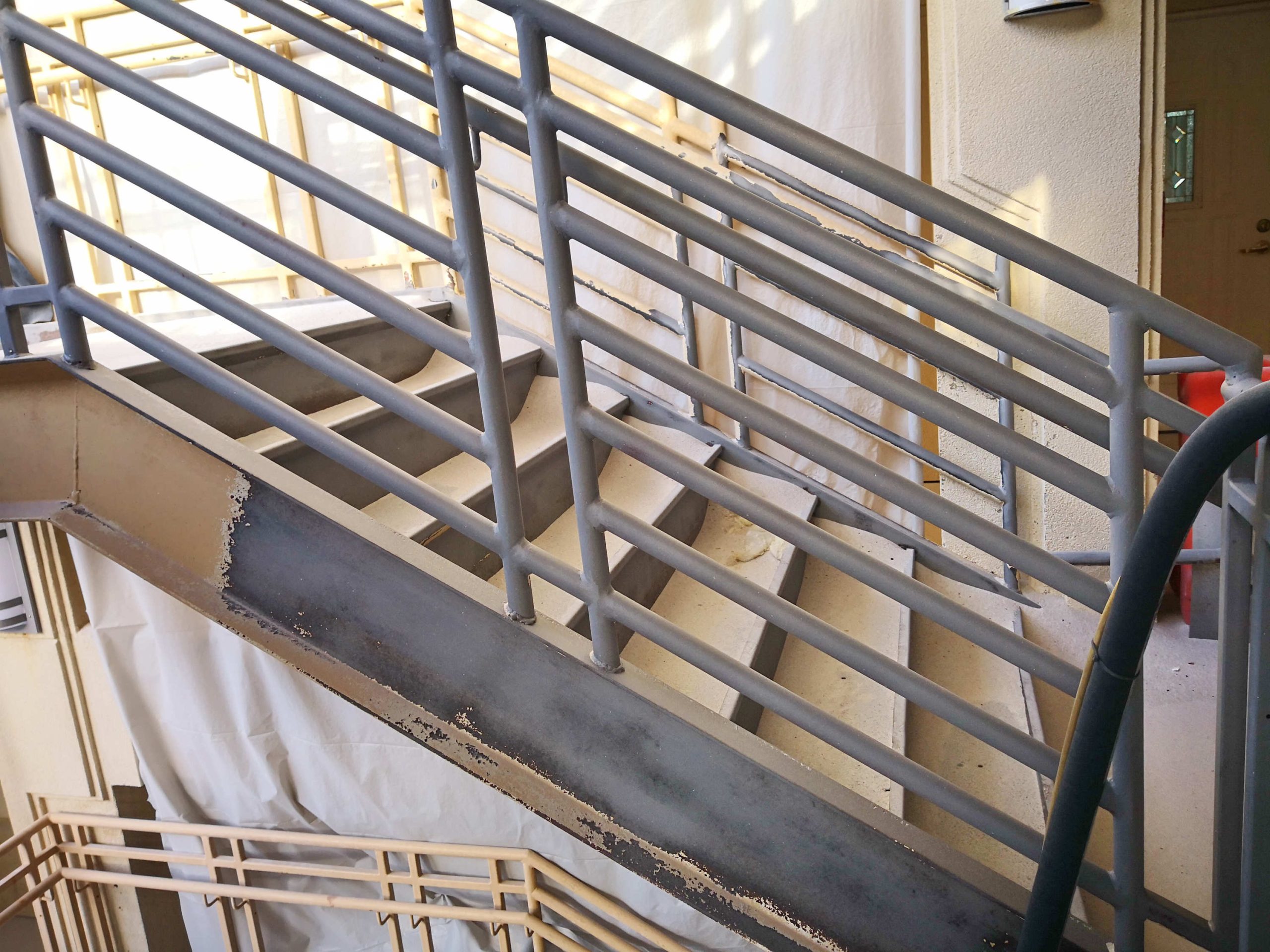
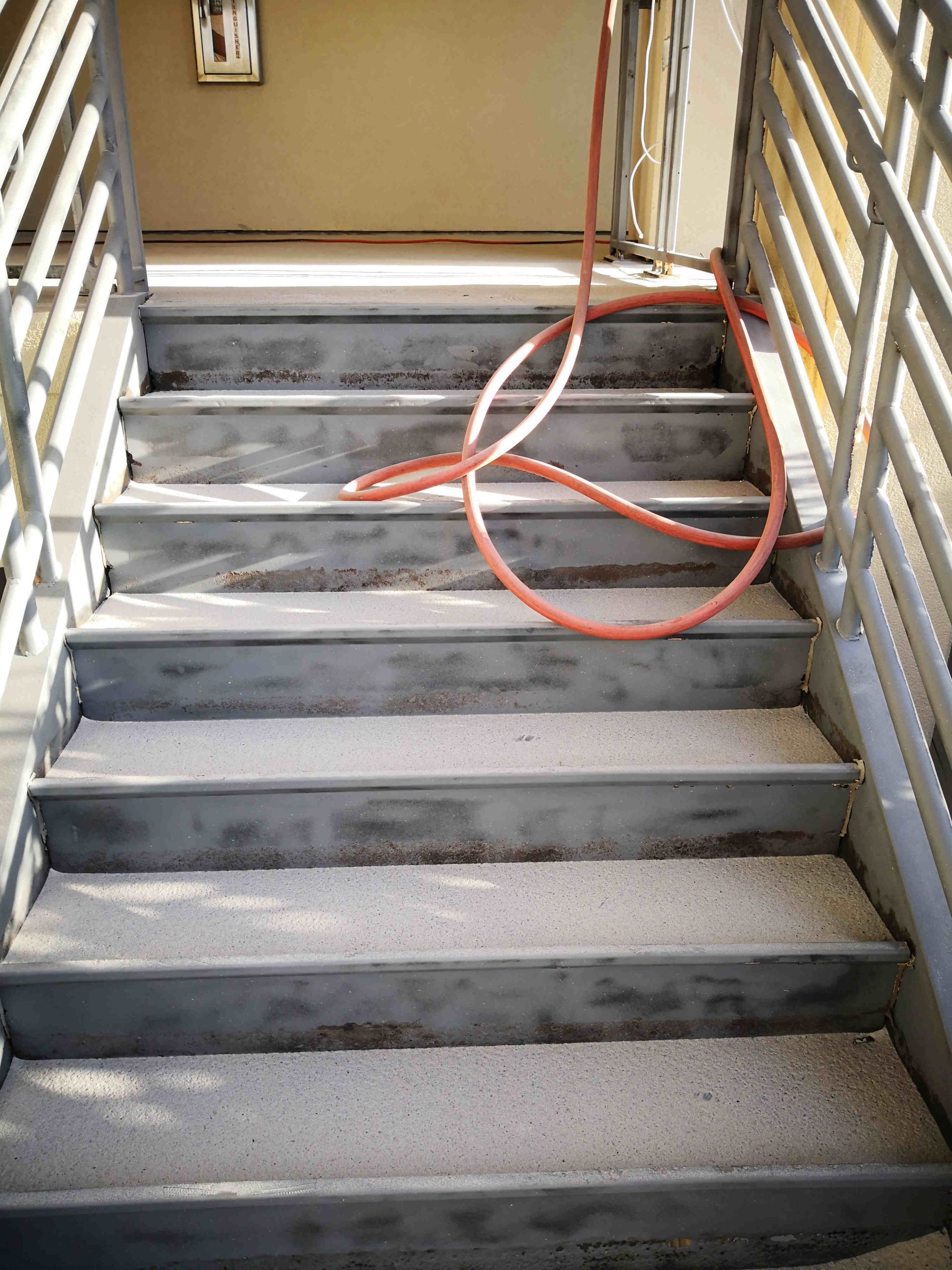
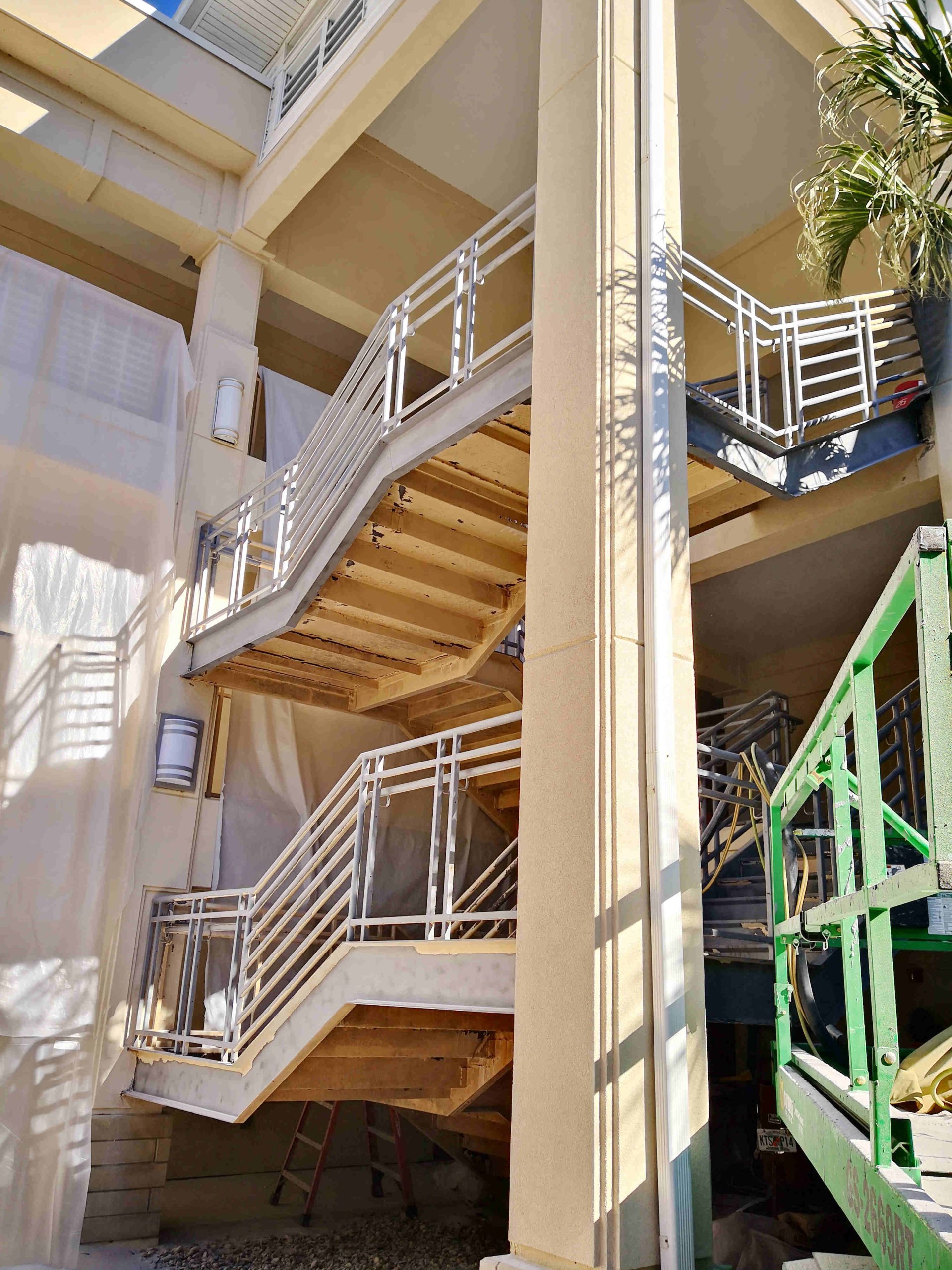
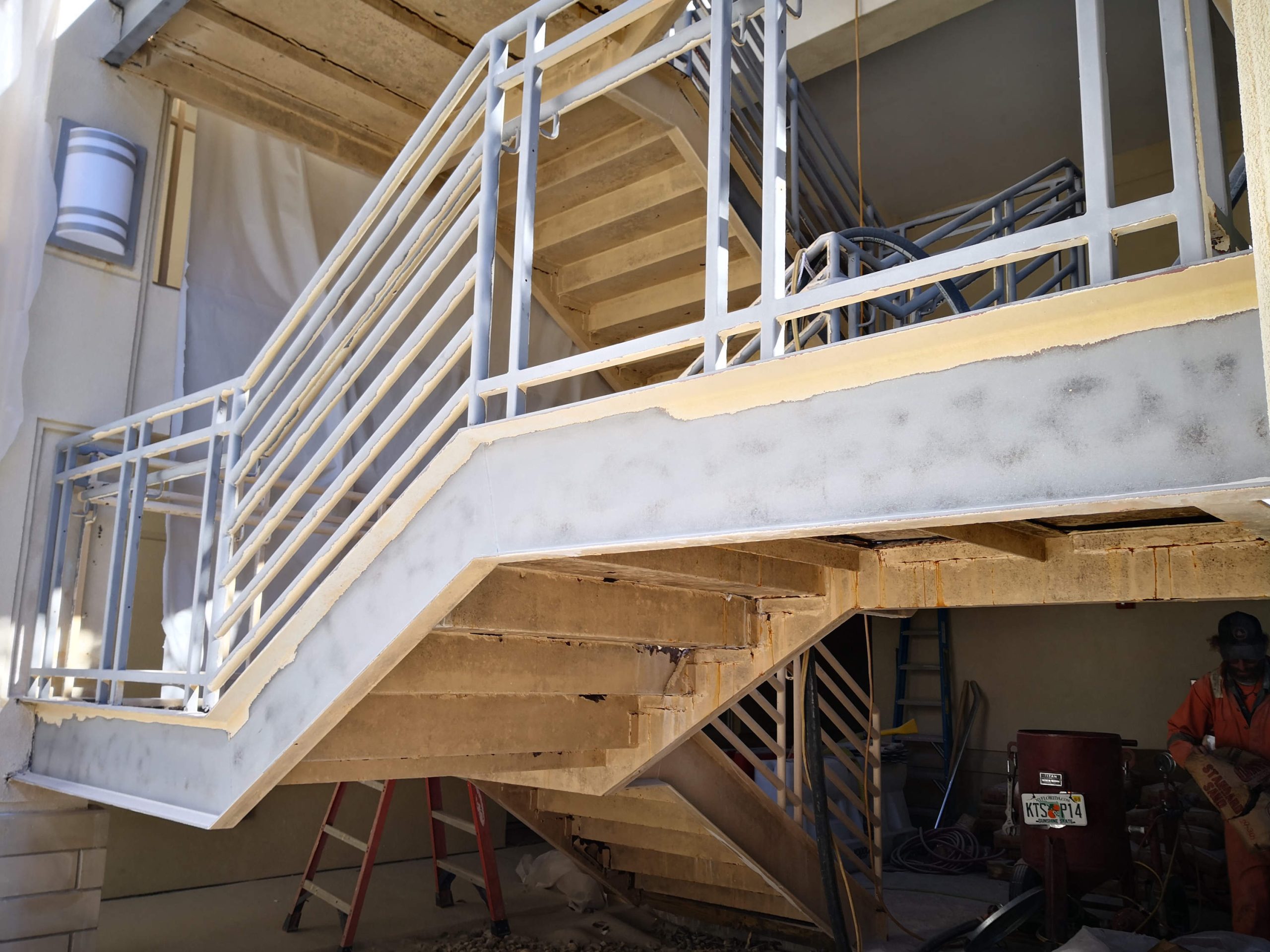
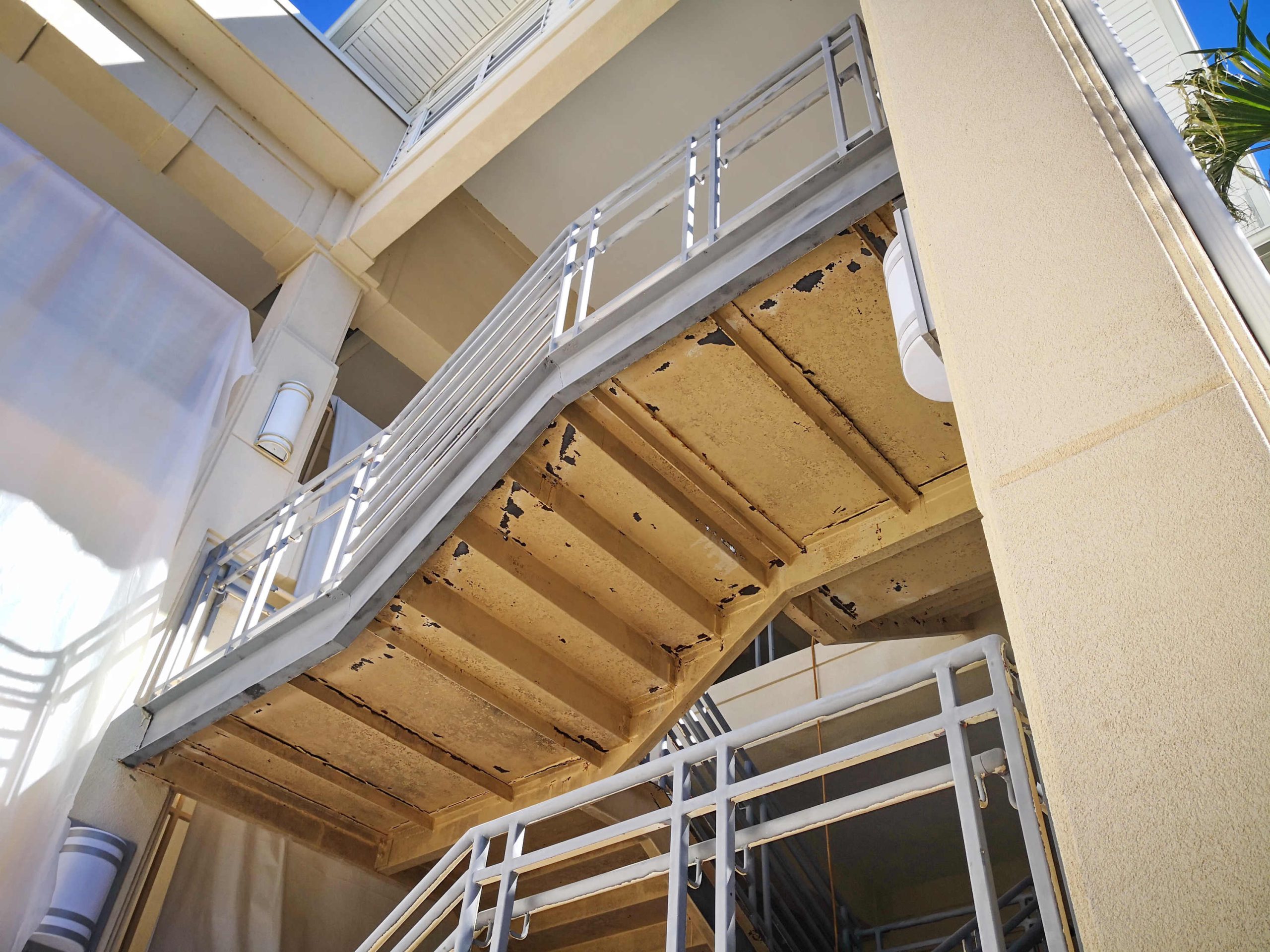
Start Your Project
( +62 ) 123 456 789
About Us
Gainesville Florida Mobile Sandblasting is the website for the sandblasting side of After Hours Welding & Sandblasting. I specialize in sandblasting services for metal repair and stucco, stonework, concrete, brick steel and woodwork in residential, commercial and industrial sites.
I am a dedicated craftsman who understand the complexities involved in the removal of surface materials for your repaint, restucco, or redesign projects. My experience – from high-rise buildings to parking structures, residential units, or small homes, afford me the talent to take care of your needs.
- concrete walls and pavement need a new finish
- The paint on sidewalks or driveways is discovered to be too slippery and dangerous when wet.
- remove paint or stains from concrete, wood or brick
- remove paint from stucco in preparation for a re-stucco job
Professional Rust & Paint Removal Services
Gentle Sandblasting for Wood Surface Restoration
Green Blasting
Abrasive blasting is the operation of cleaning or preparing a surface by forcibly propelling a stream of abrasive material against it. Usually explained as the use of a material against another material to make it smoother, remove surface contaminants or to roughen a surface.
Wood Blasting
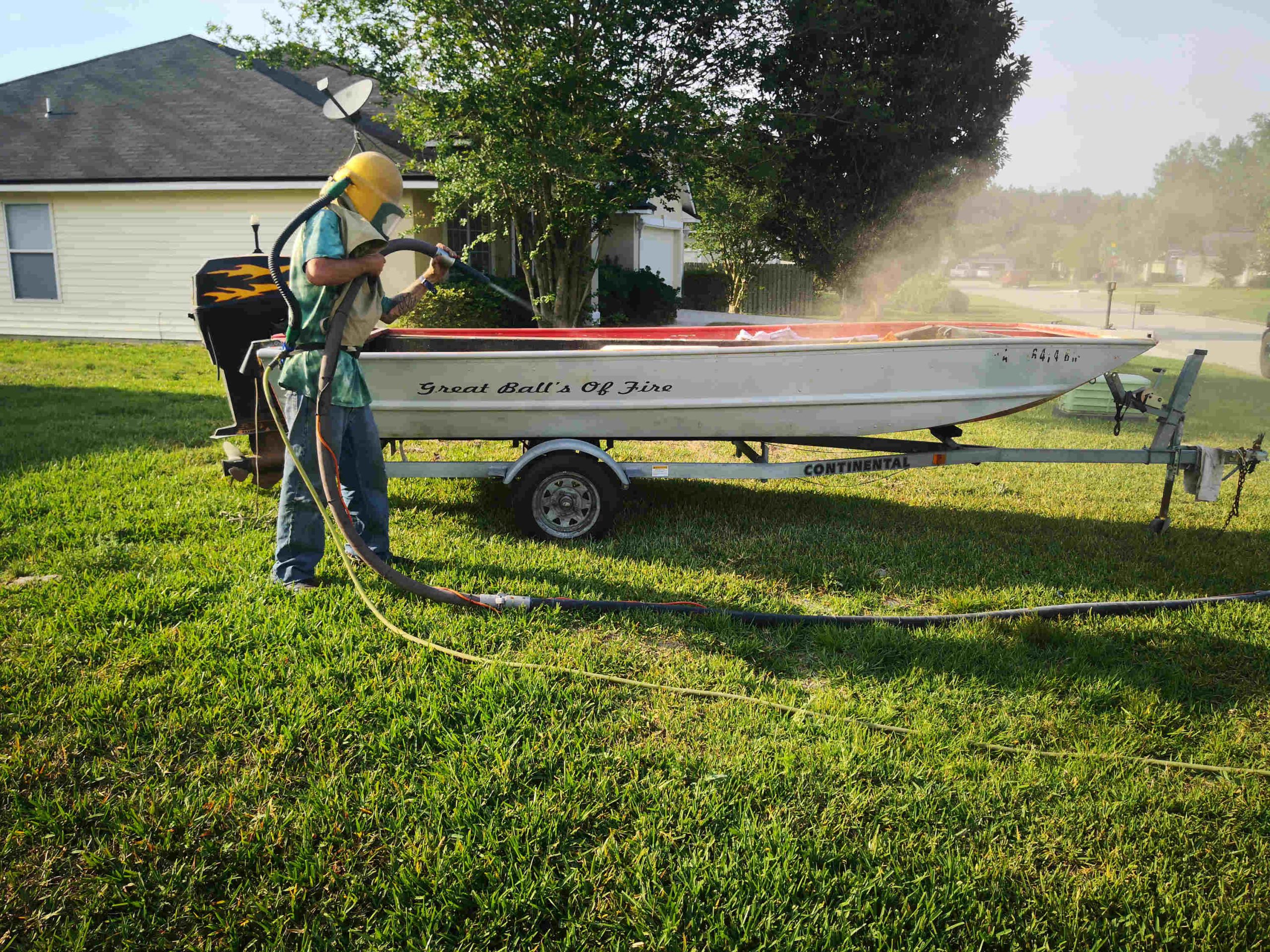
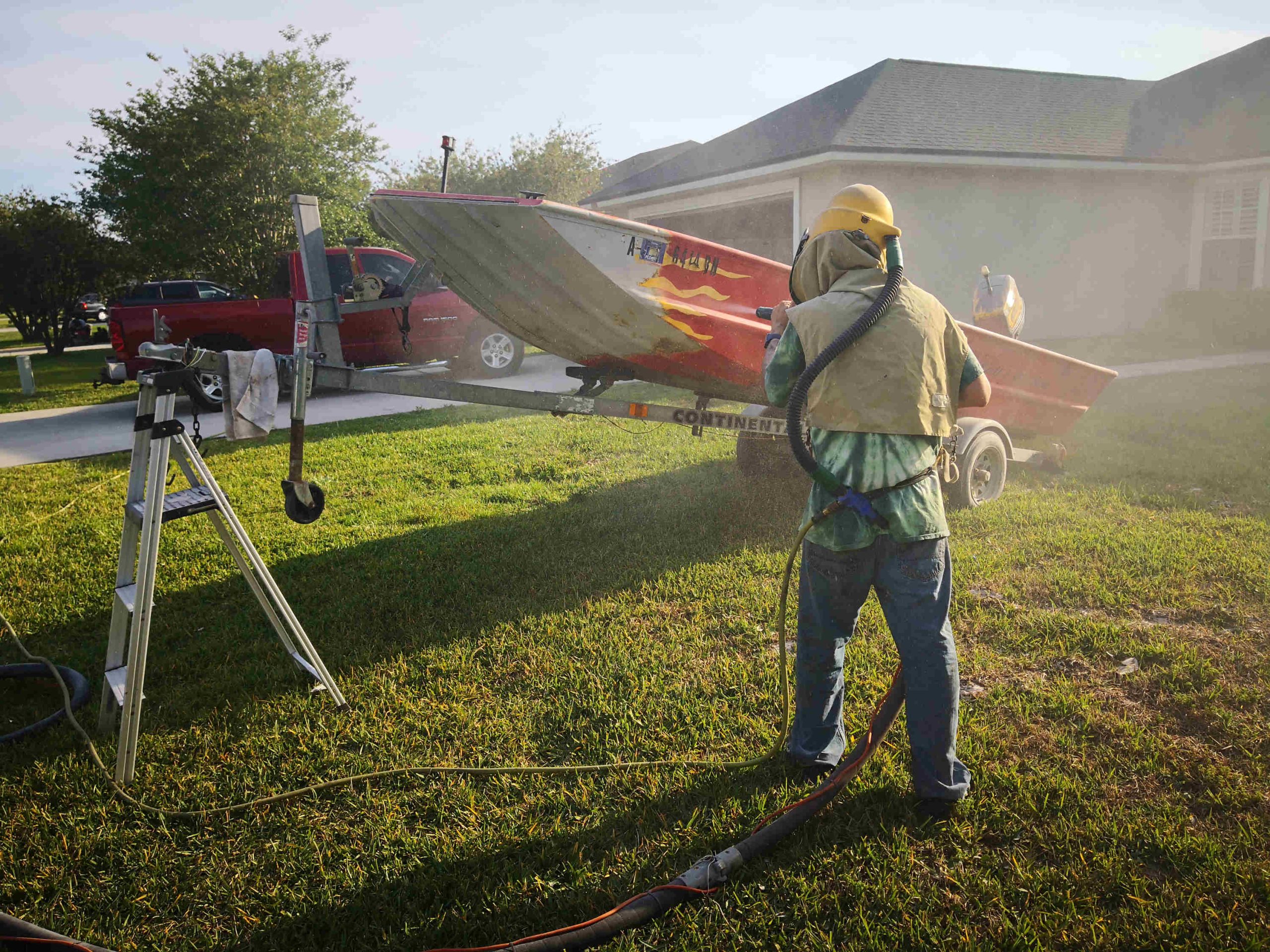
Are you one of the people in Jax FL that asks, “How to remove paint off of wood? Or will sandblasting remove paint off of wood” To begin, sandblasting is the process of shaping, cleaning and smoothing surface, especially the most difficult ones, by blasting solid particles across the surface at high speeds.
Concrete Blasting
Are you one of the people in Jax FL that asks, “How to remove paint off concrete, driveways or sidewalks?” To begin, sandblasting is the process of shaping, cleaning and smoothing surface, especially the most difficult ones, by blasting solid particles across the surface at high speeds.
Our Work. Your Results.
Gainesville’s Trusted0 Sandblasting Experts
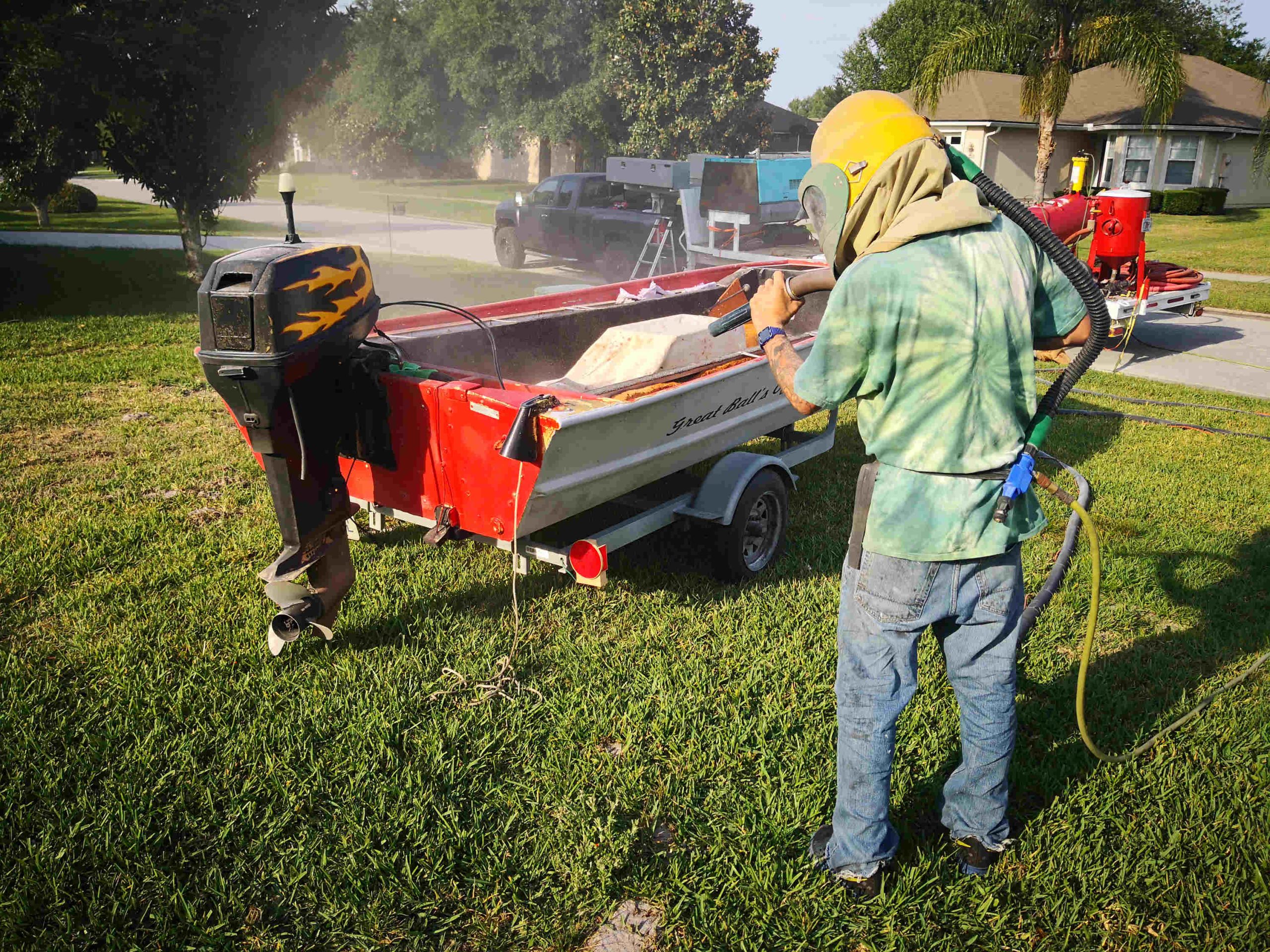
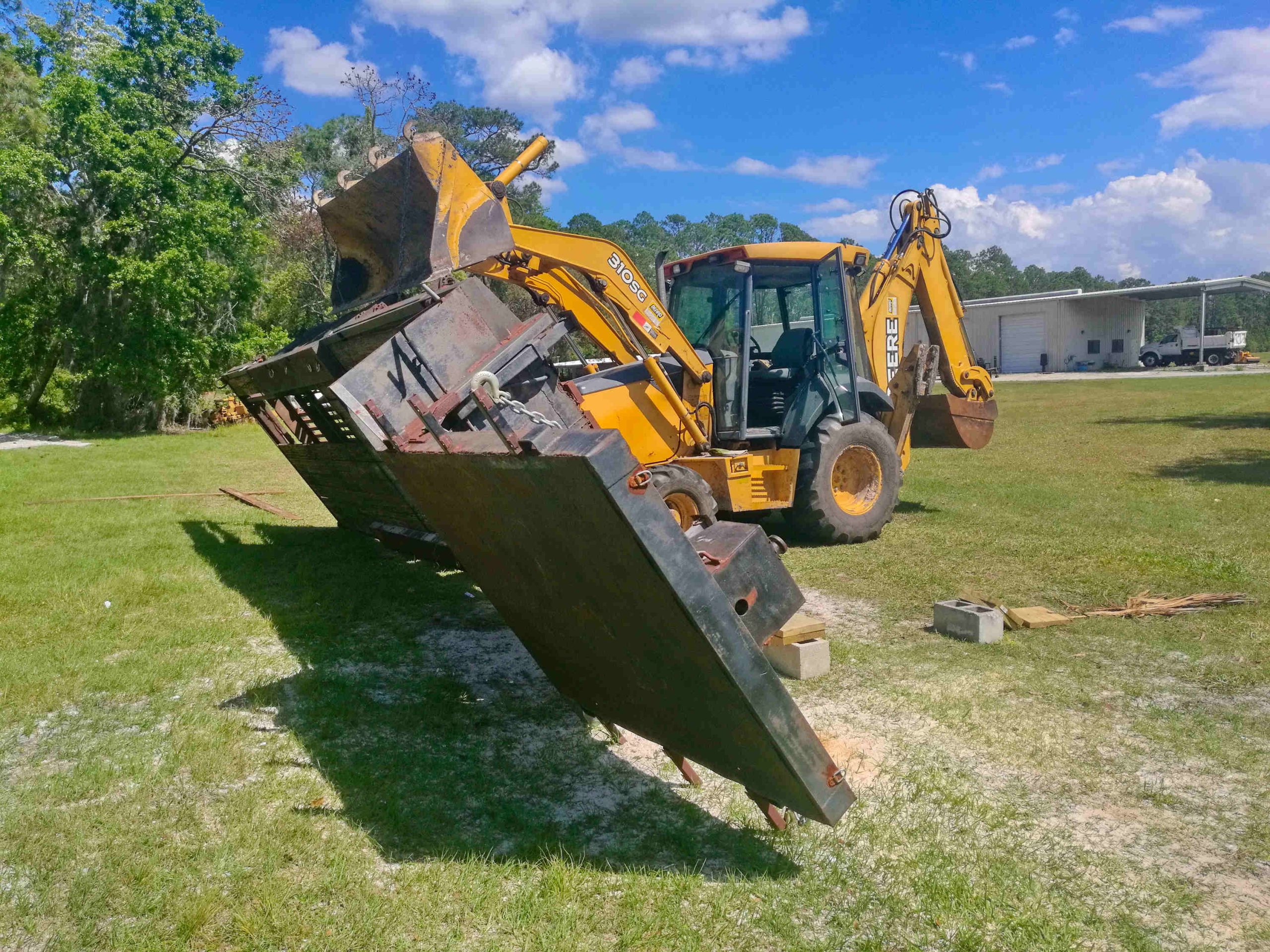
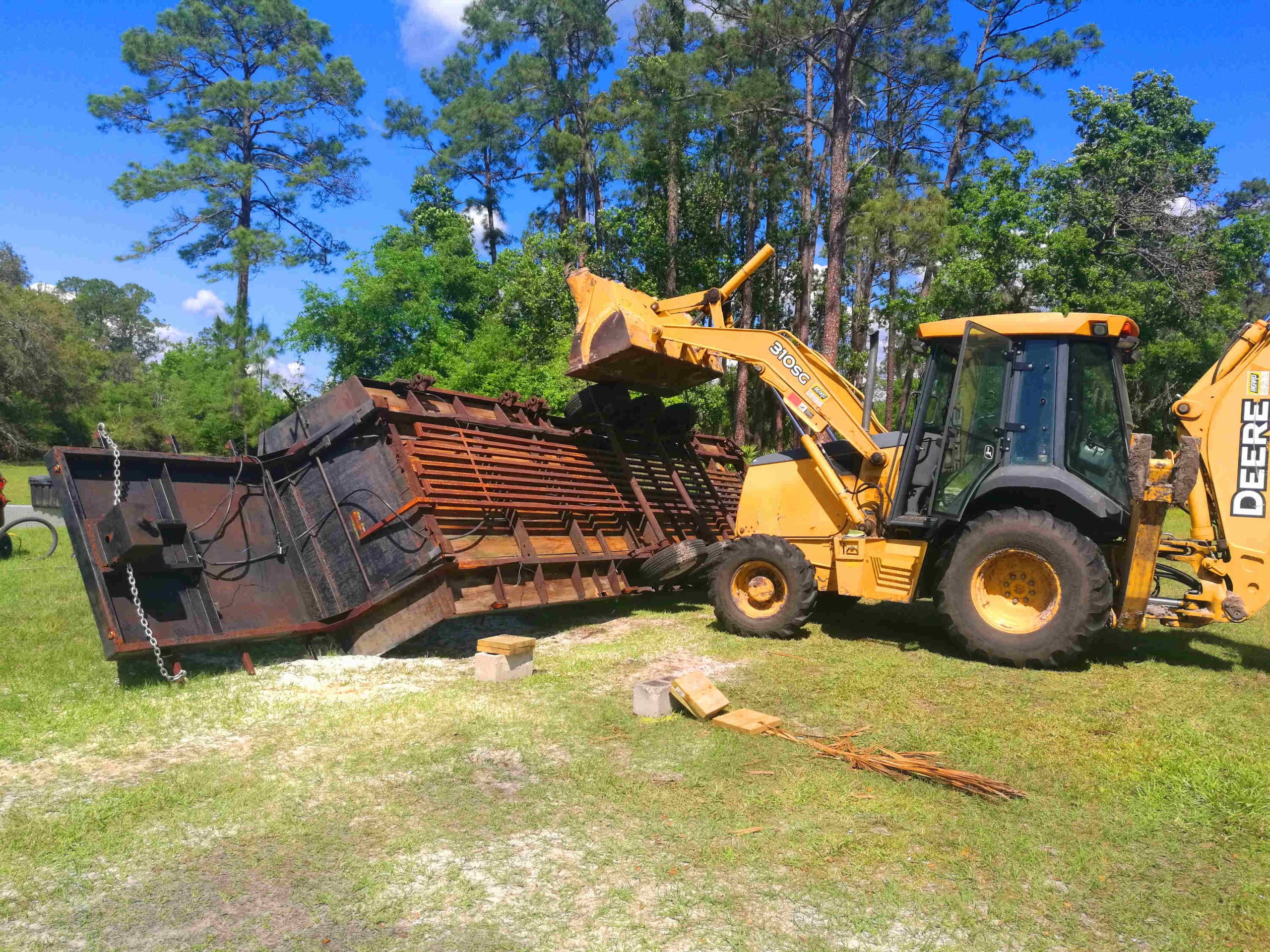
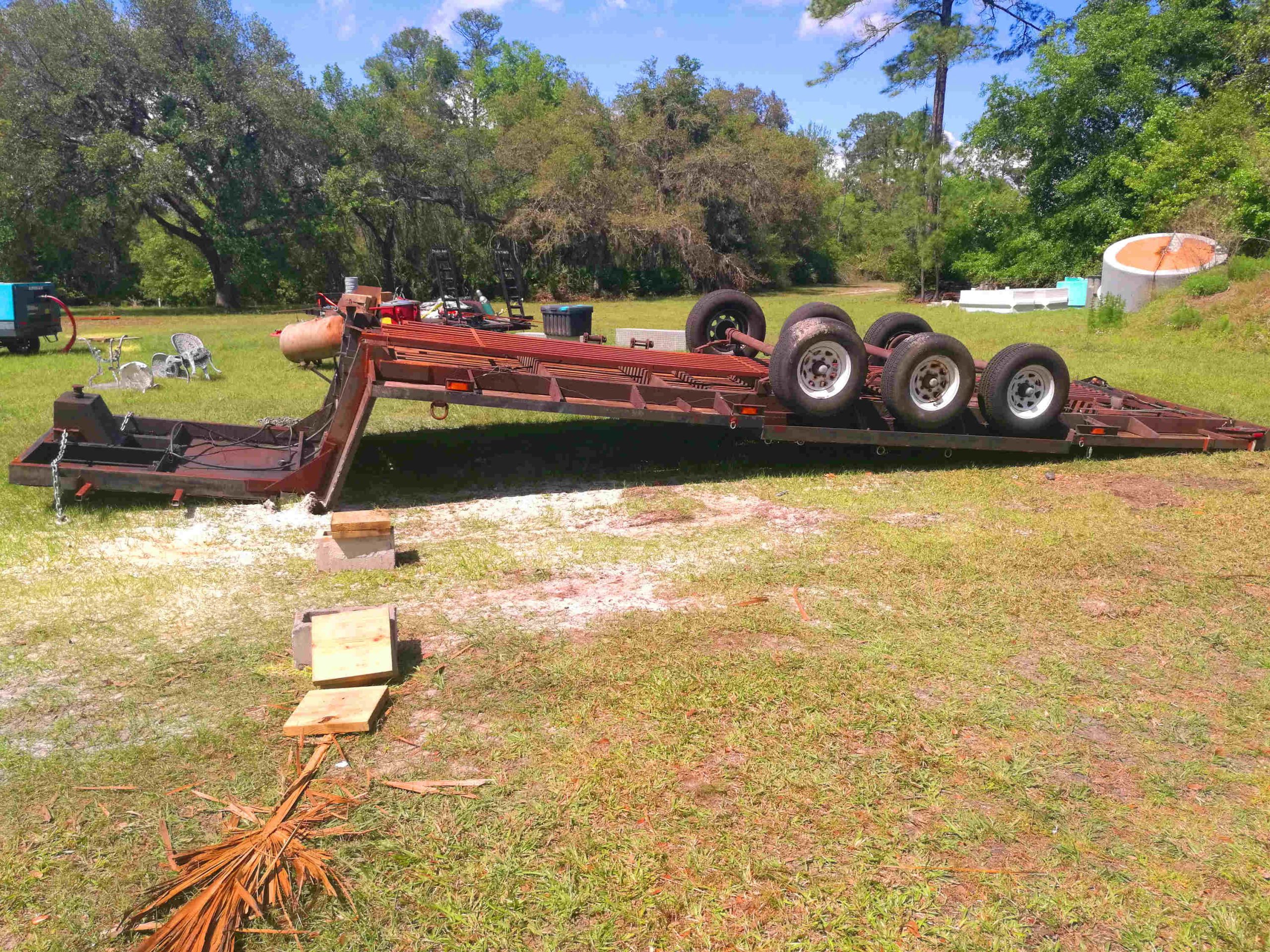
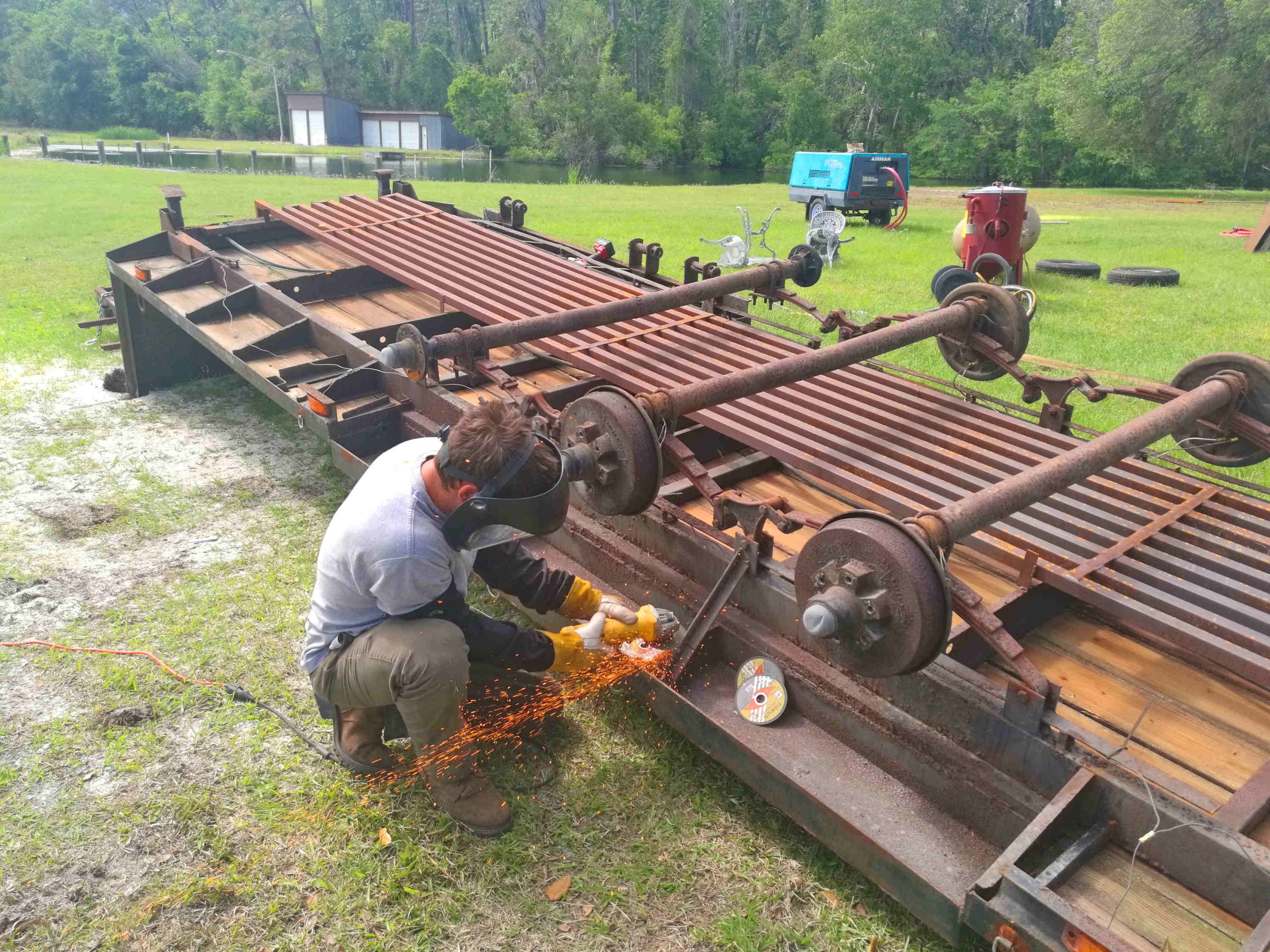
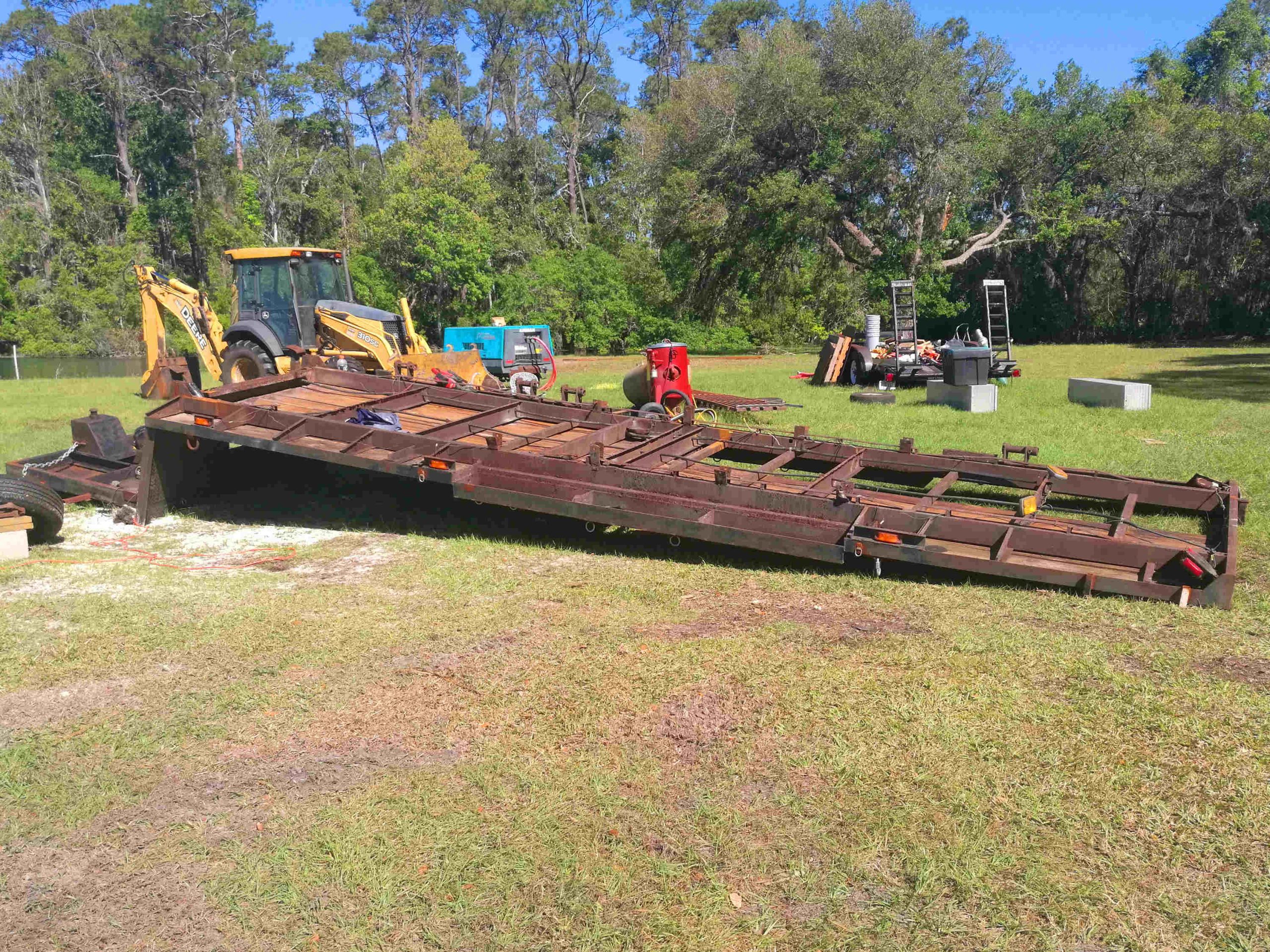
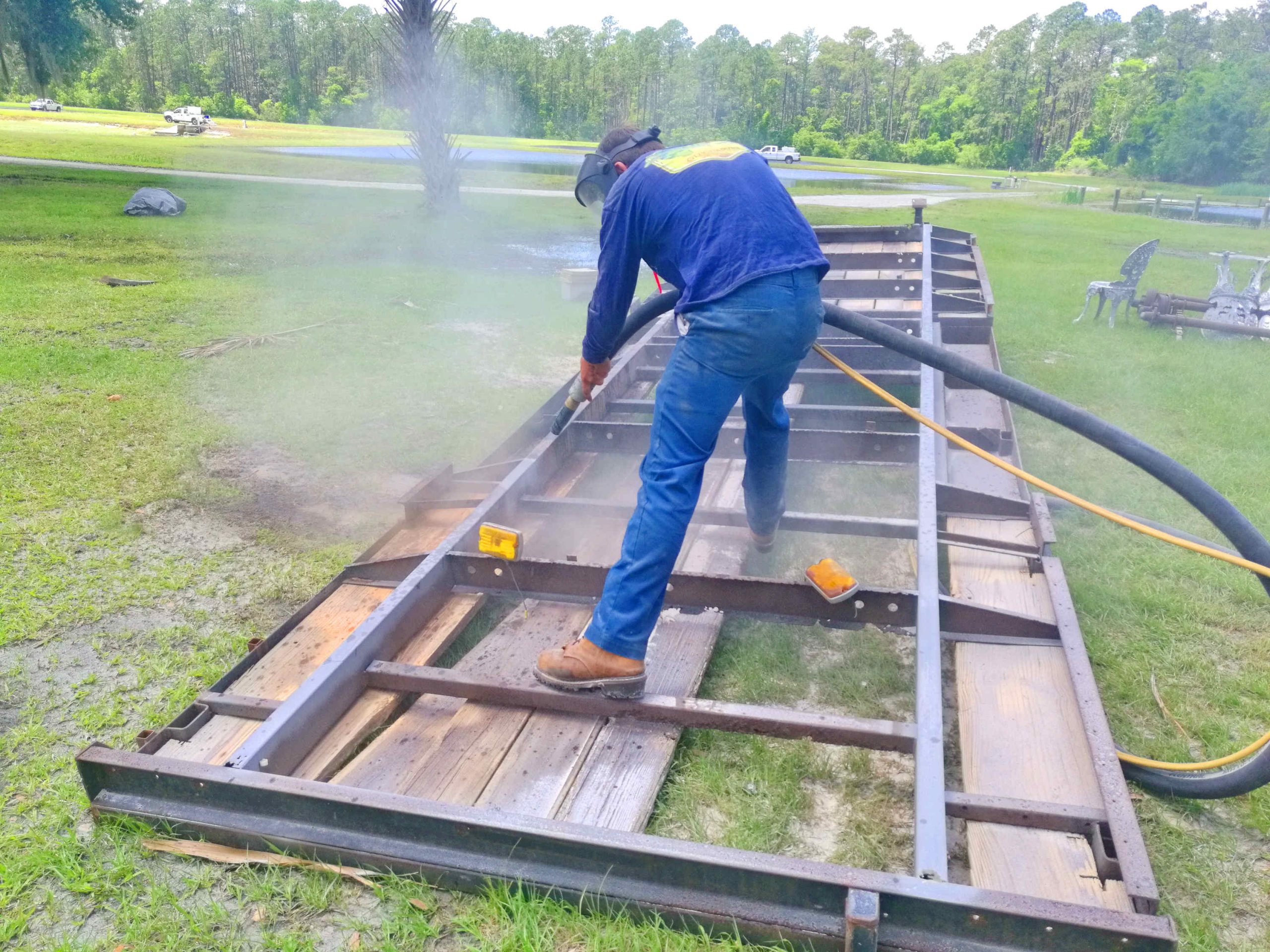
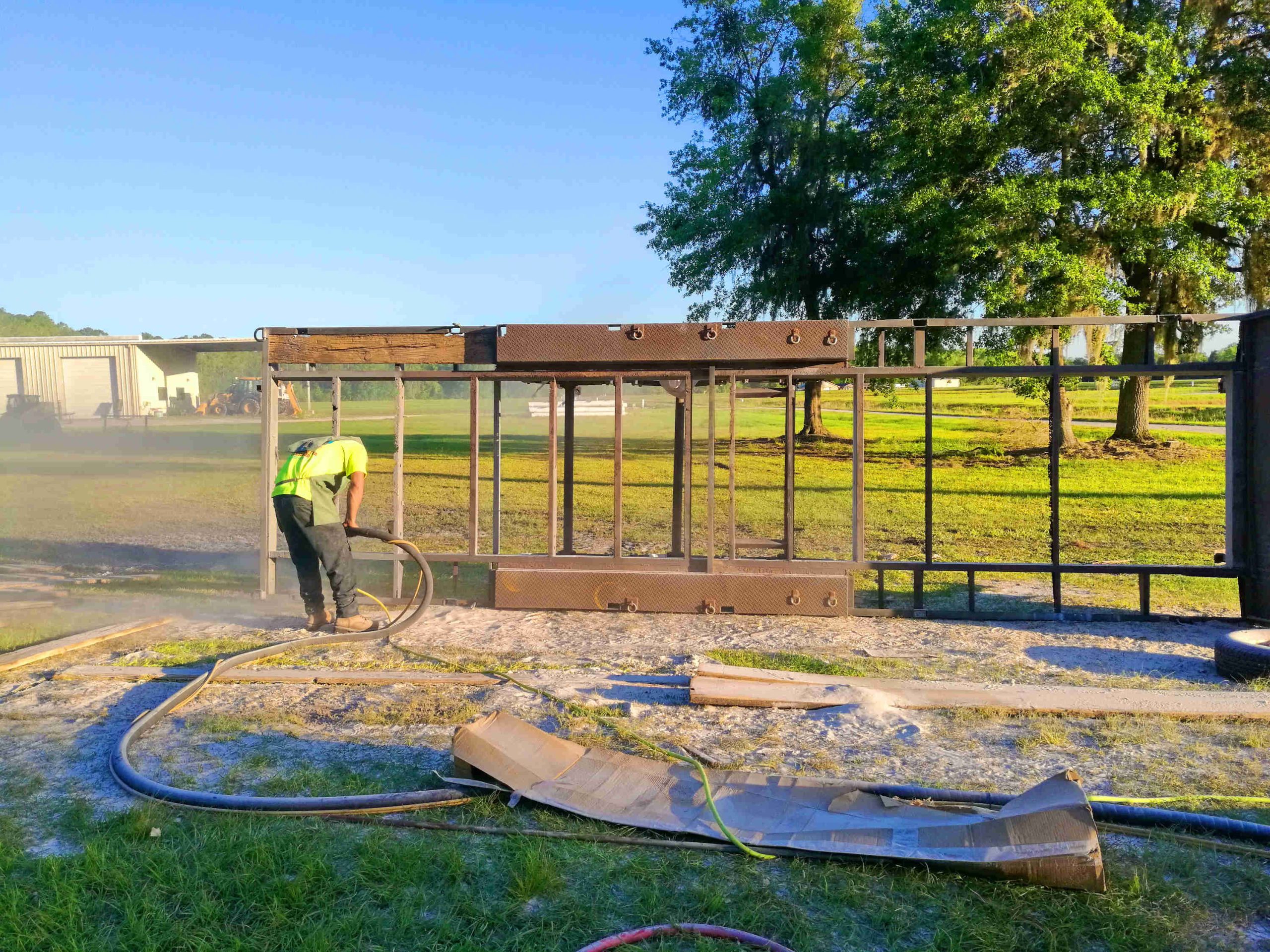
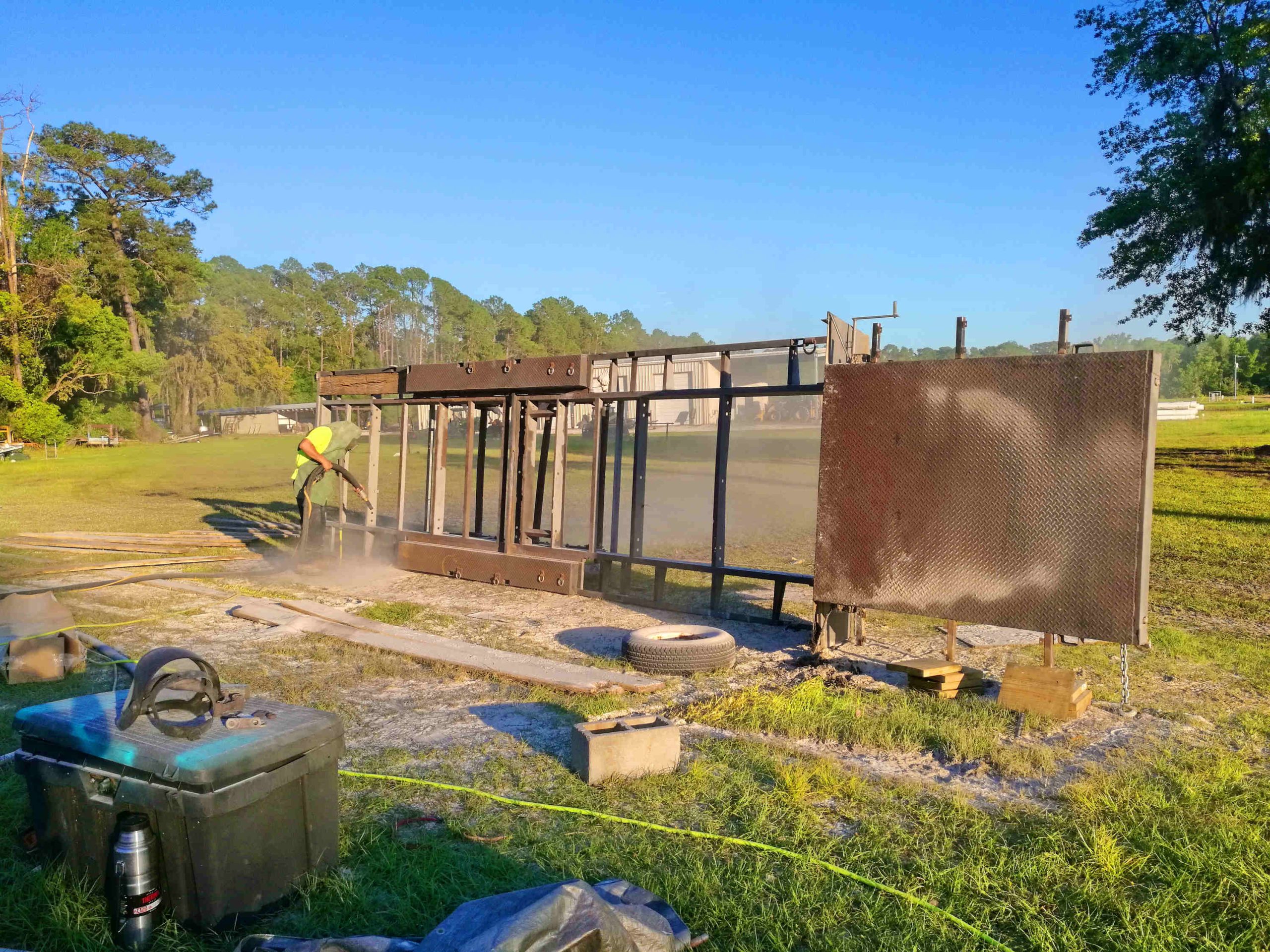
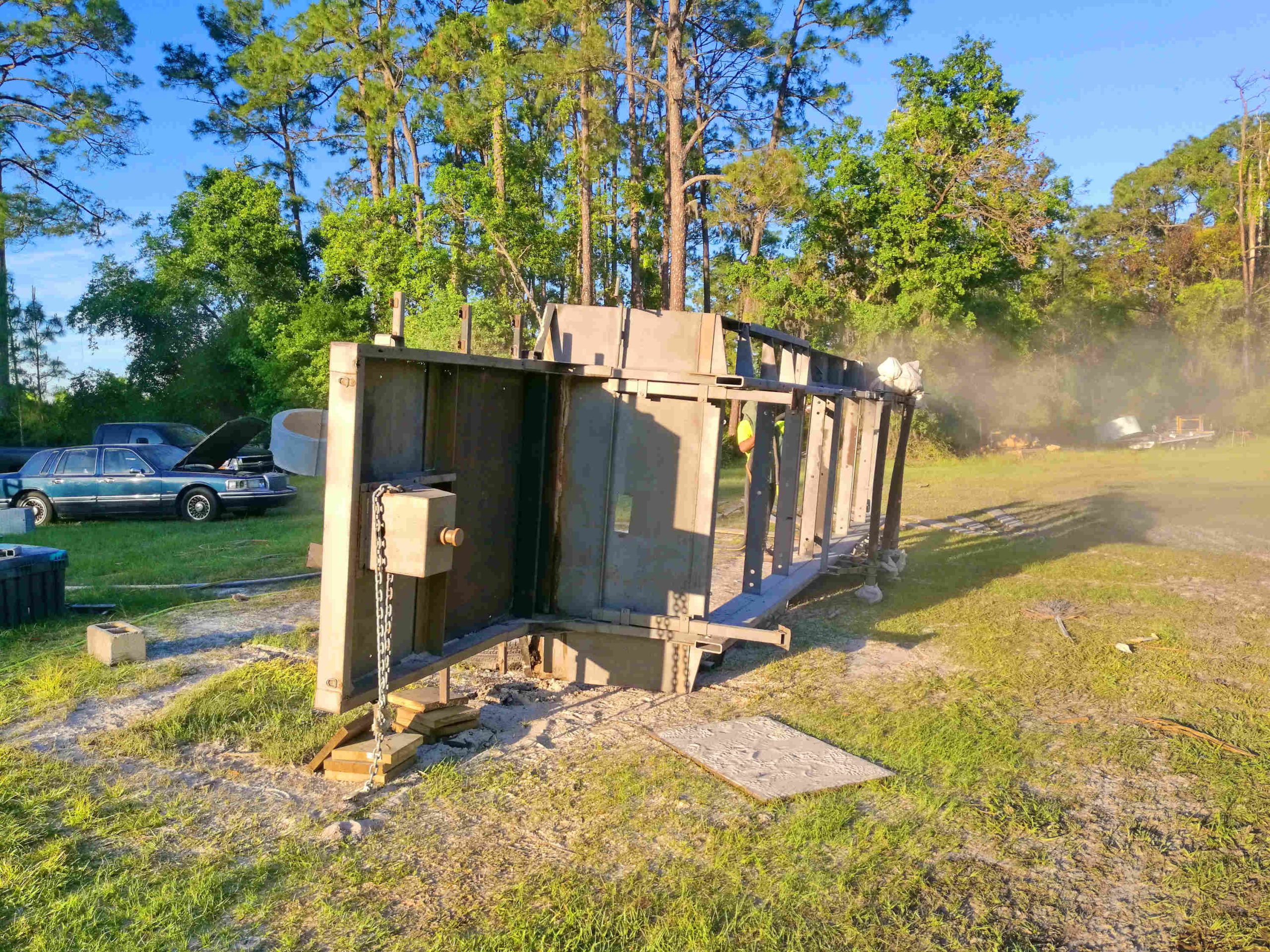
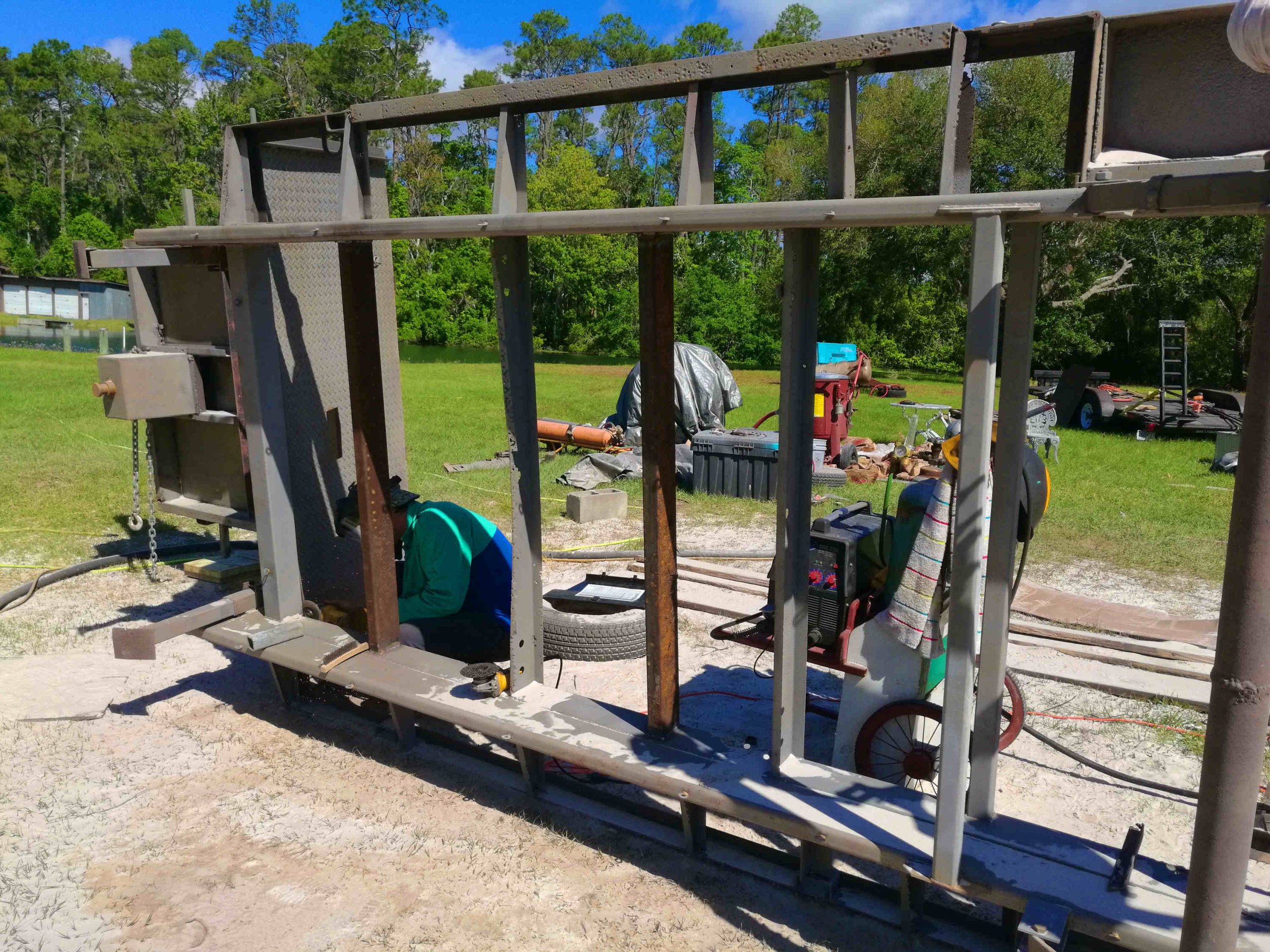
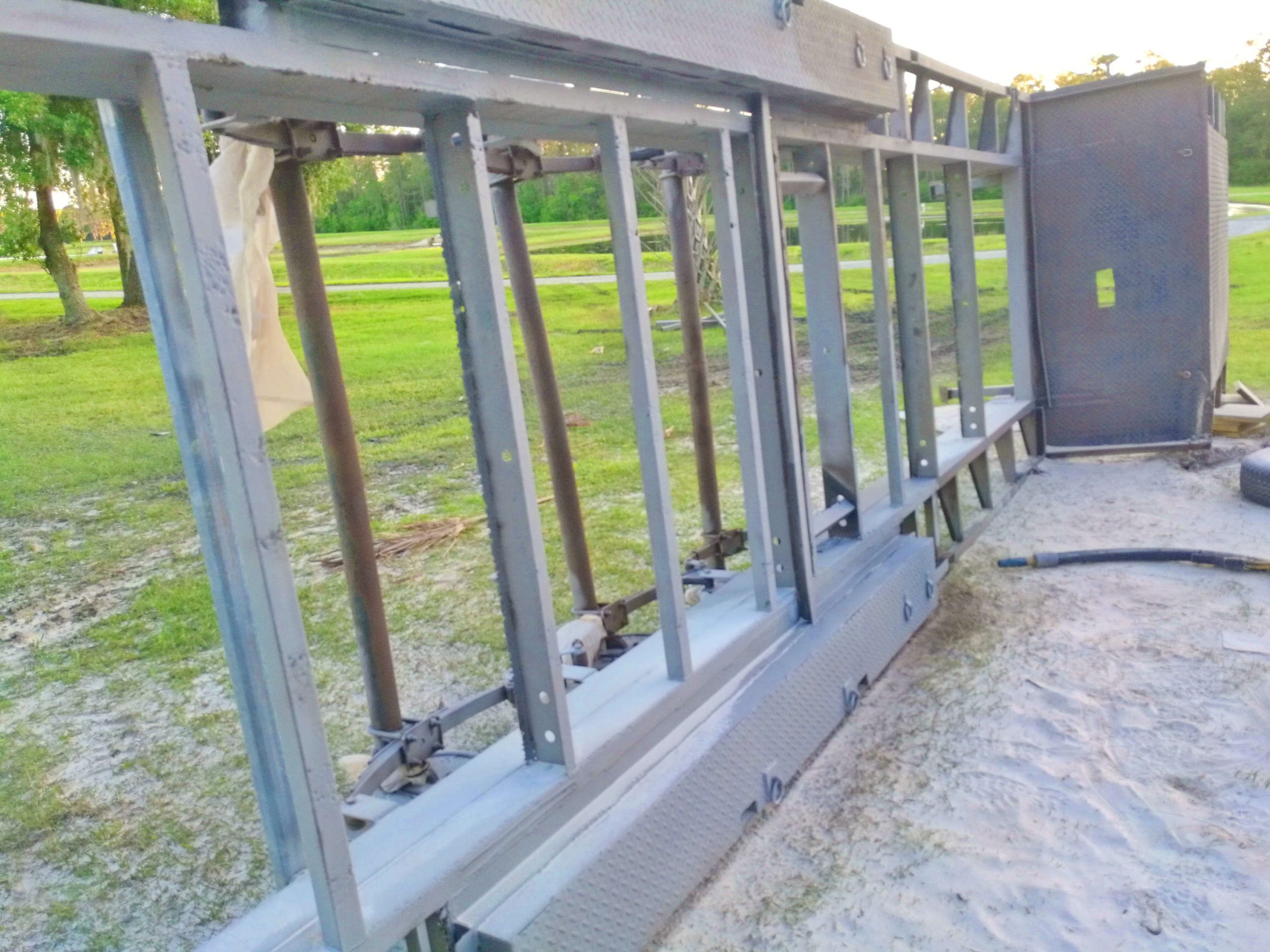
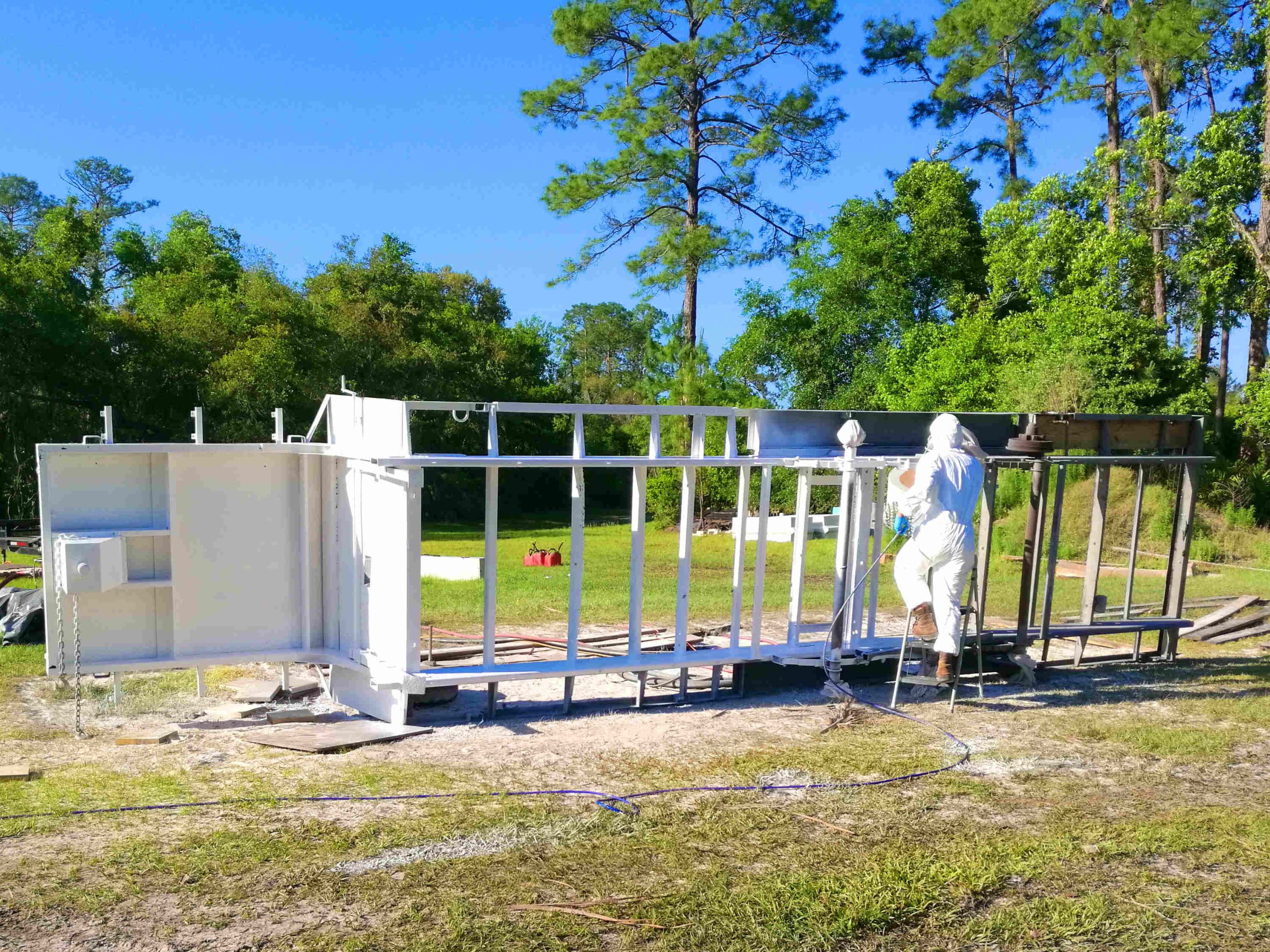
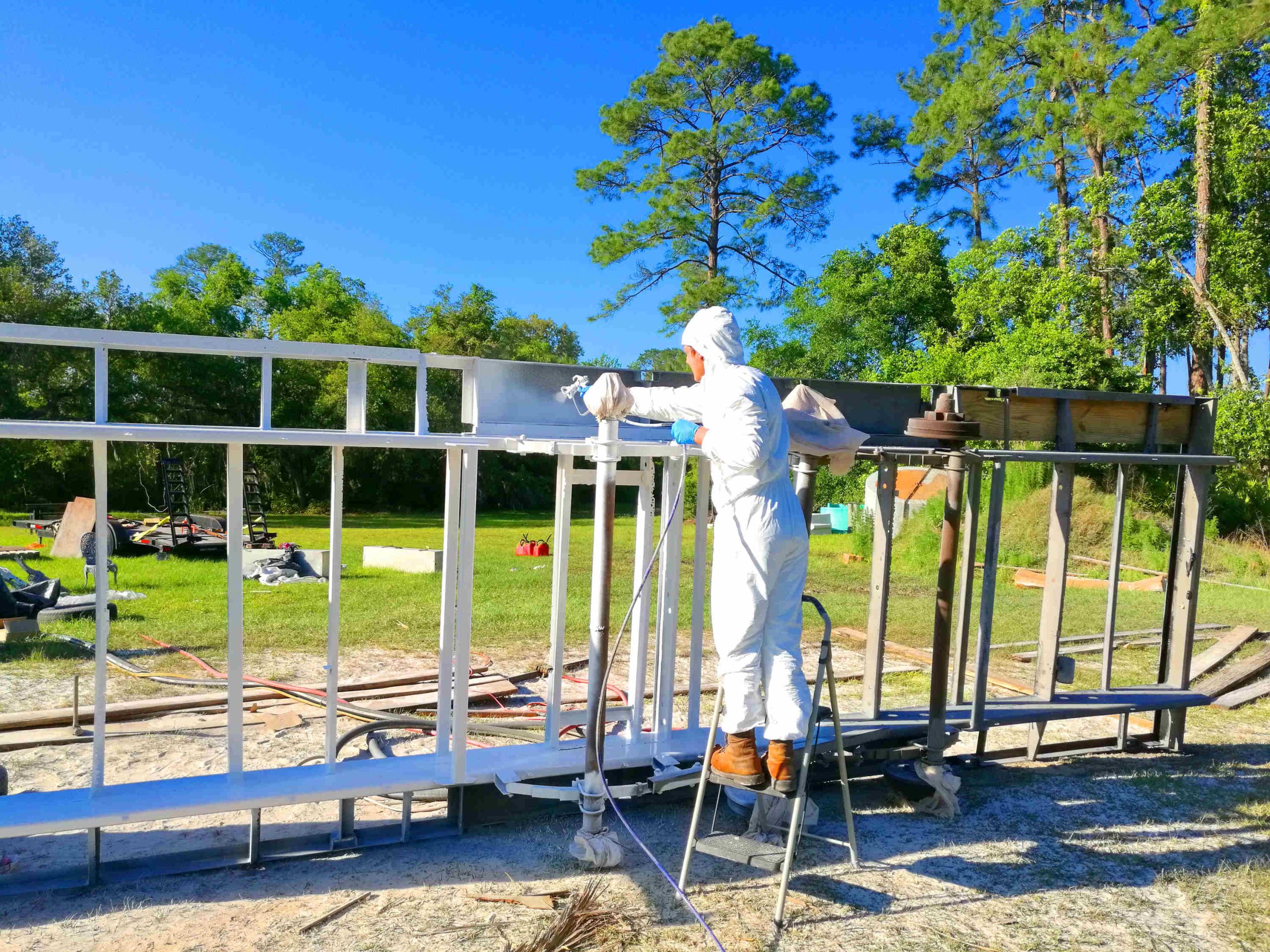
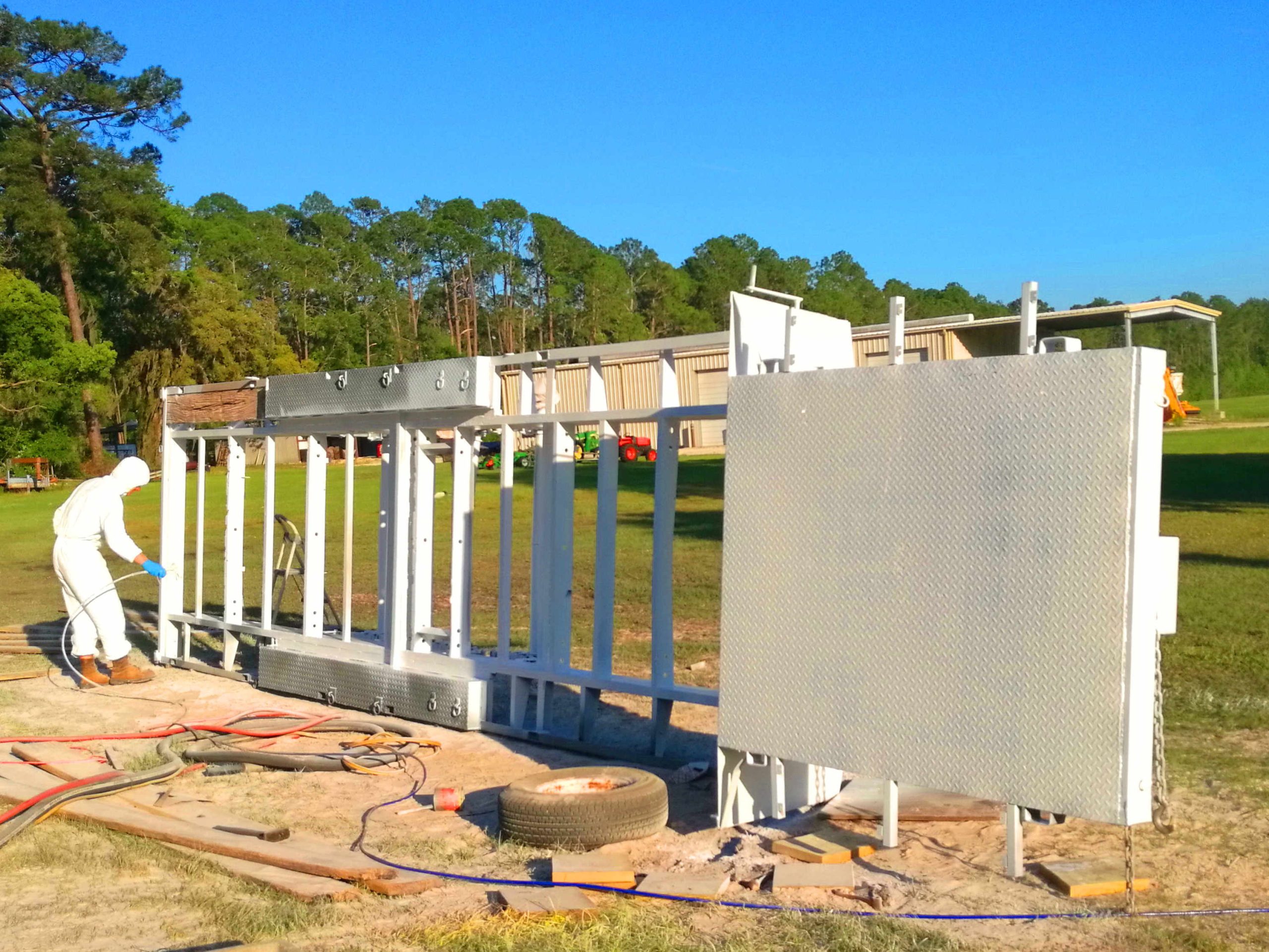
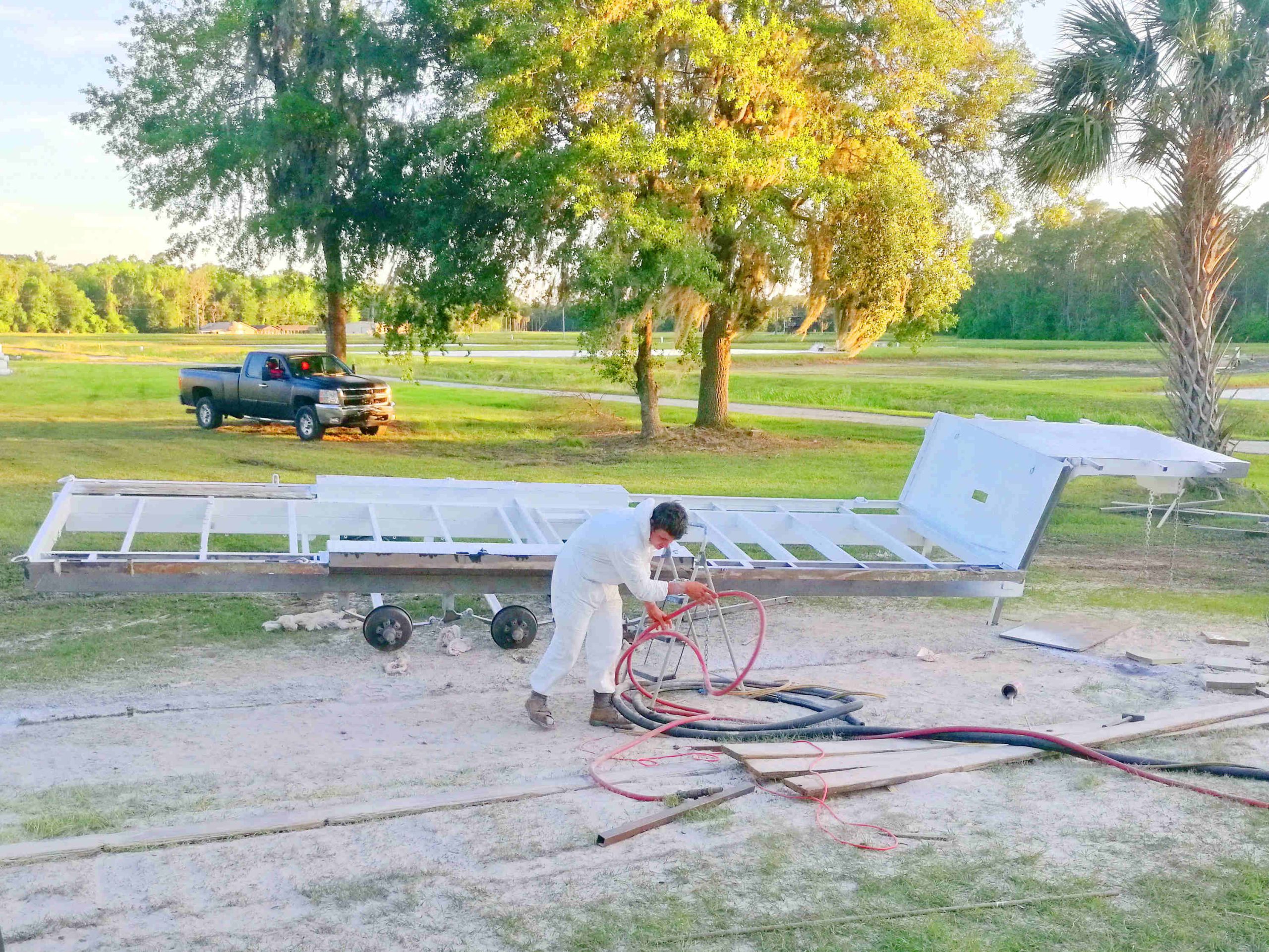
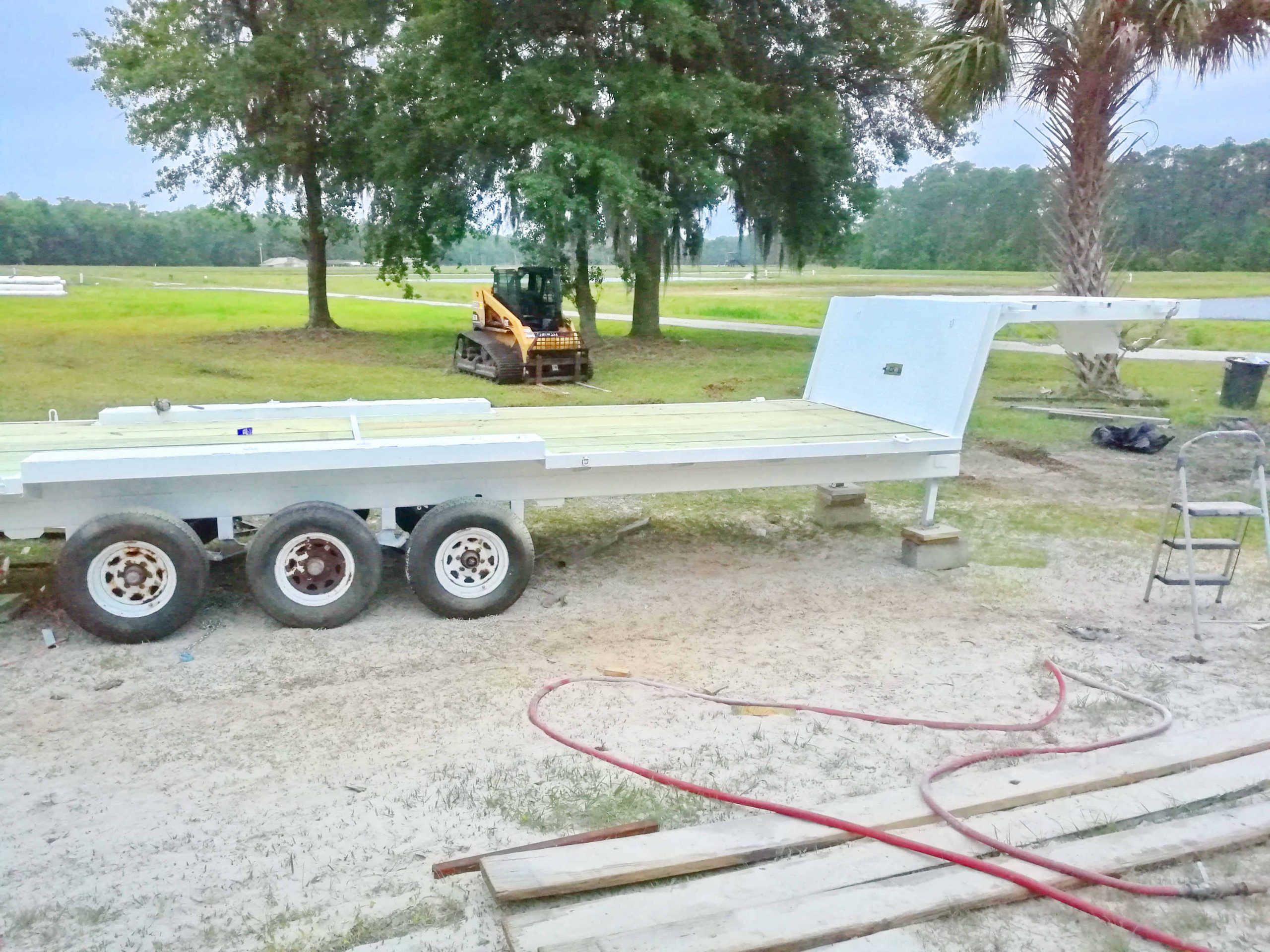
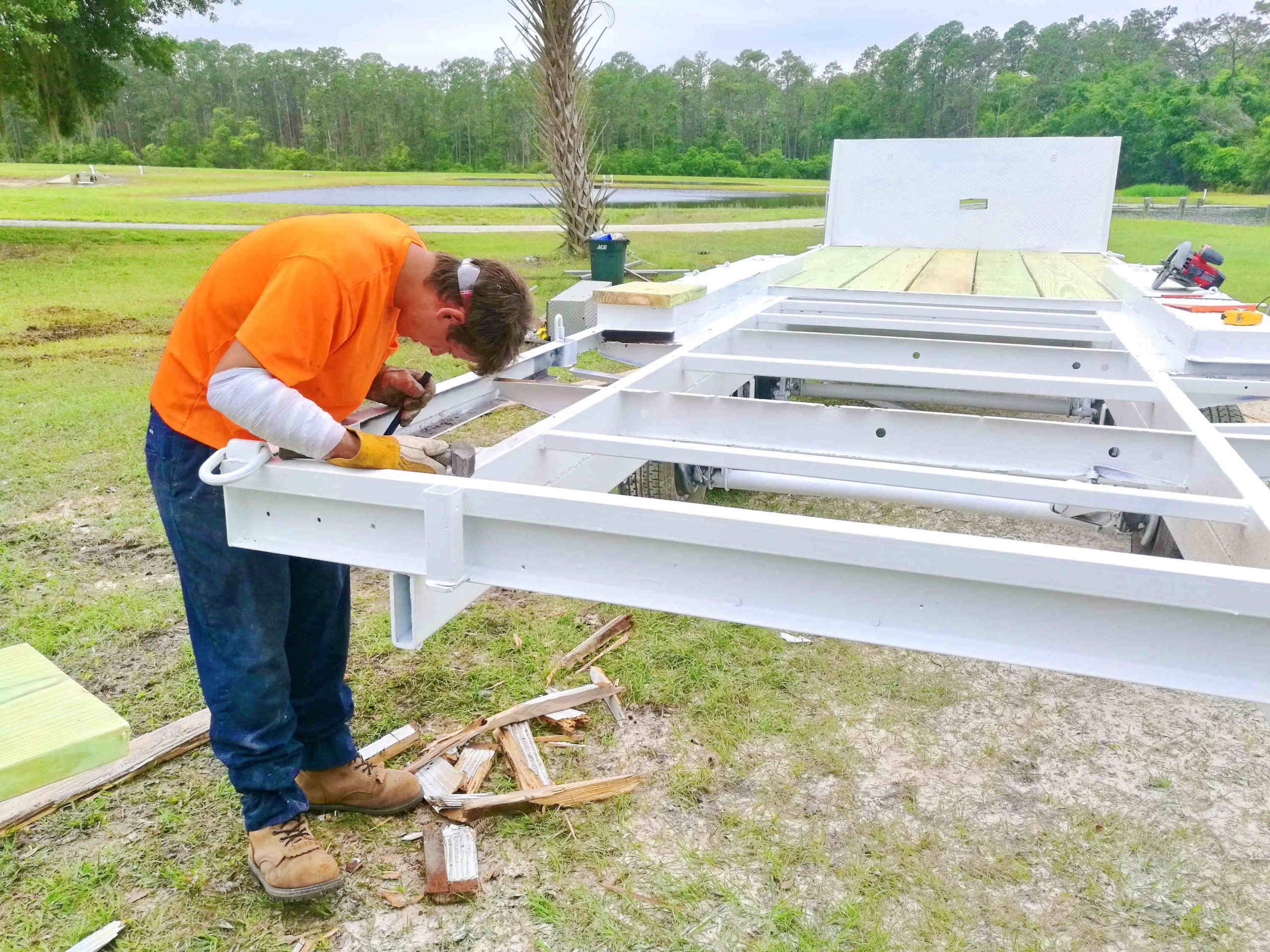
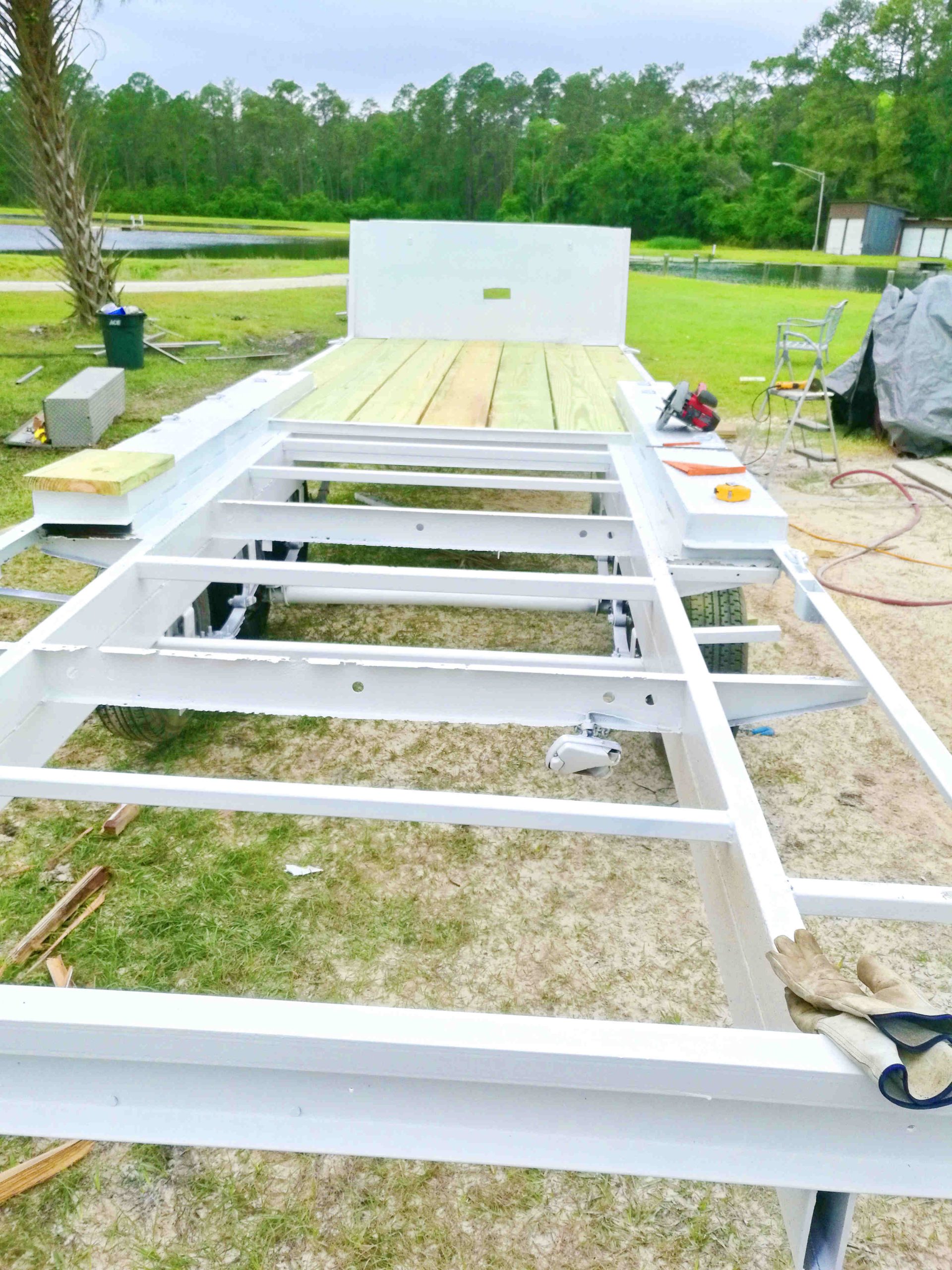
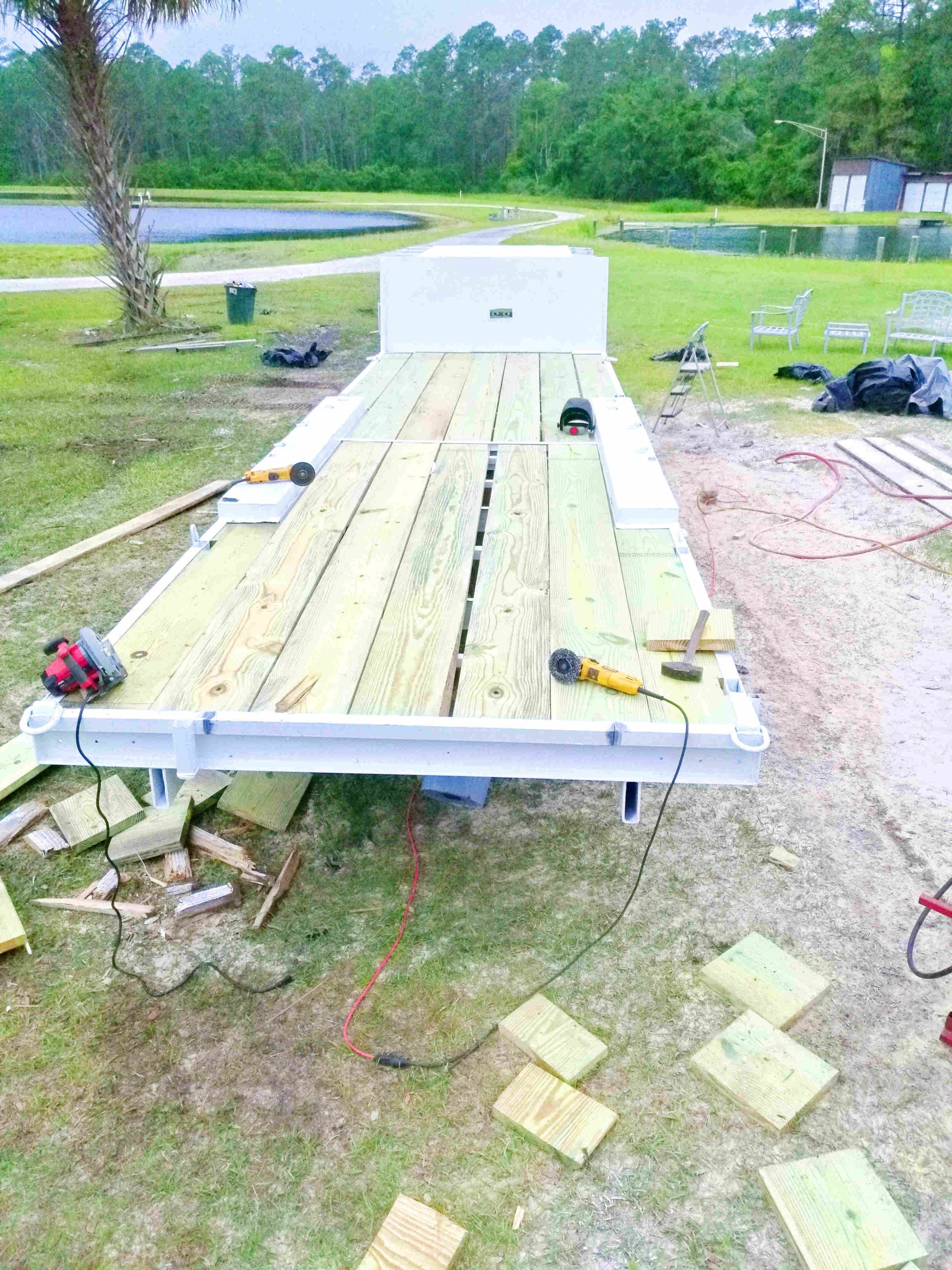
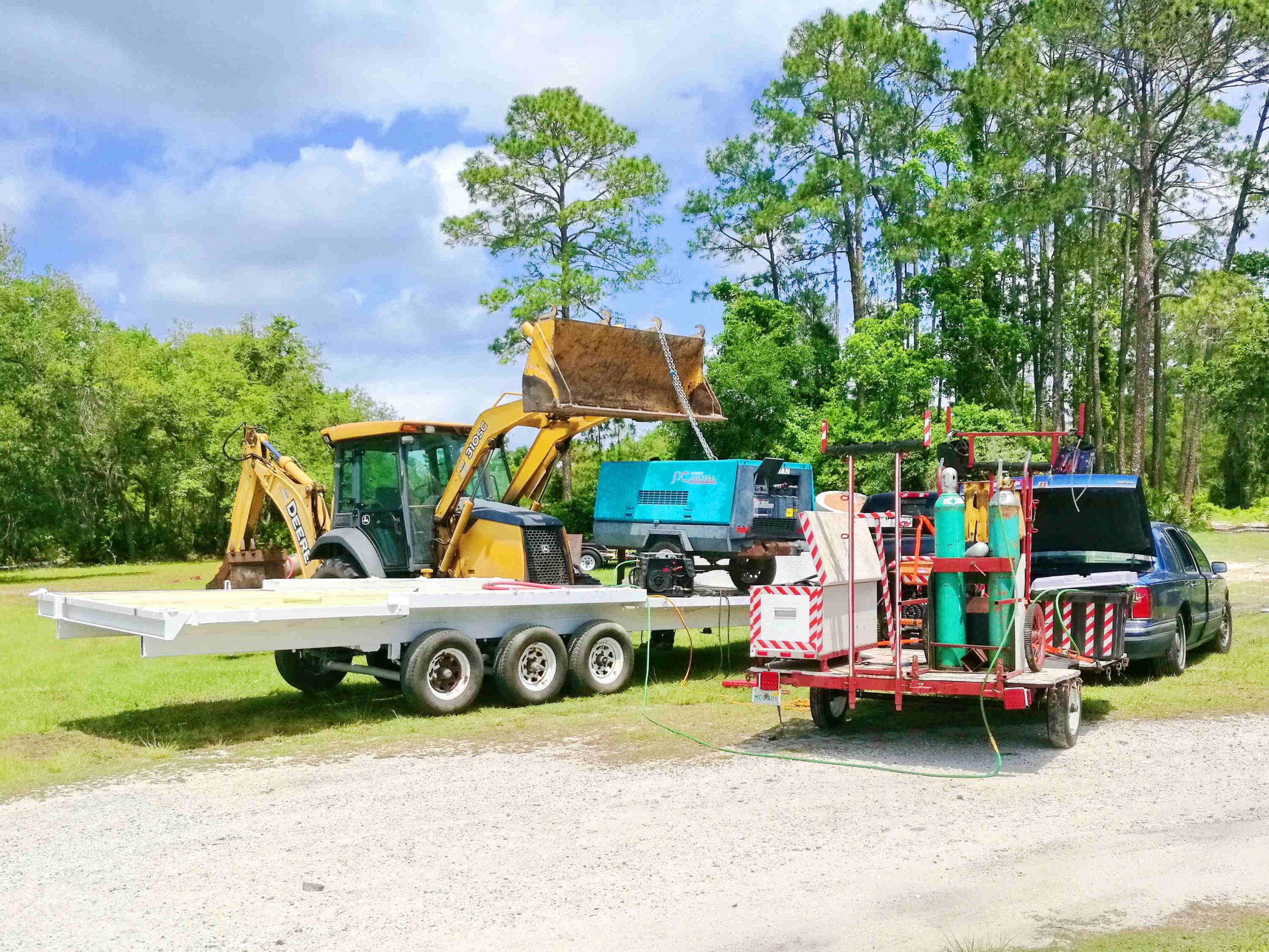
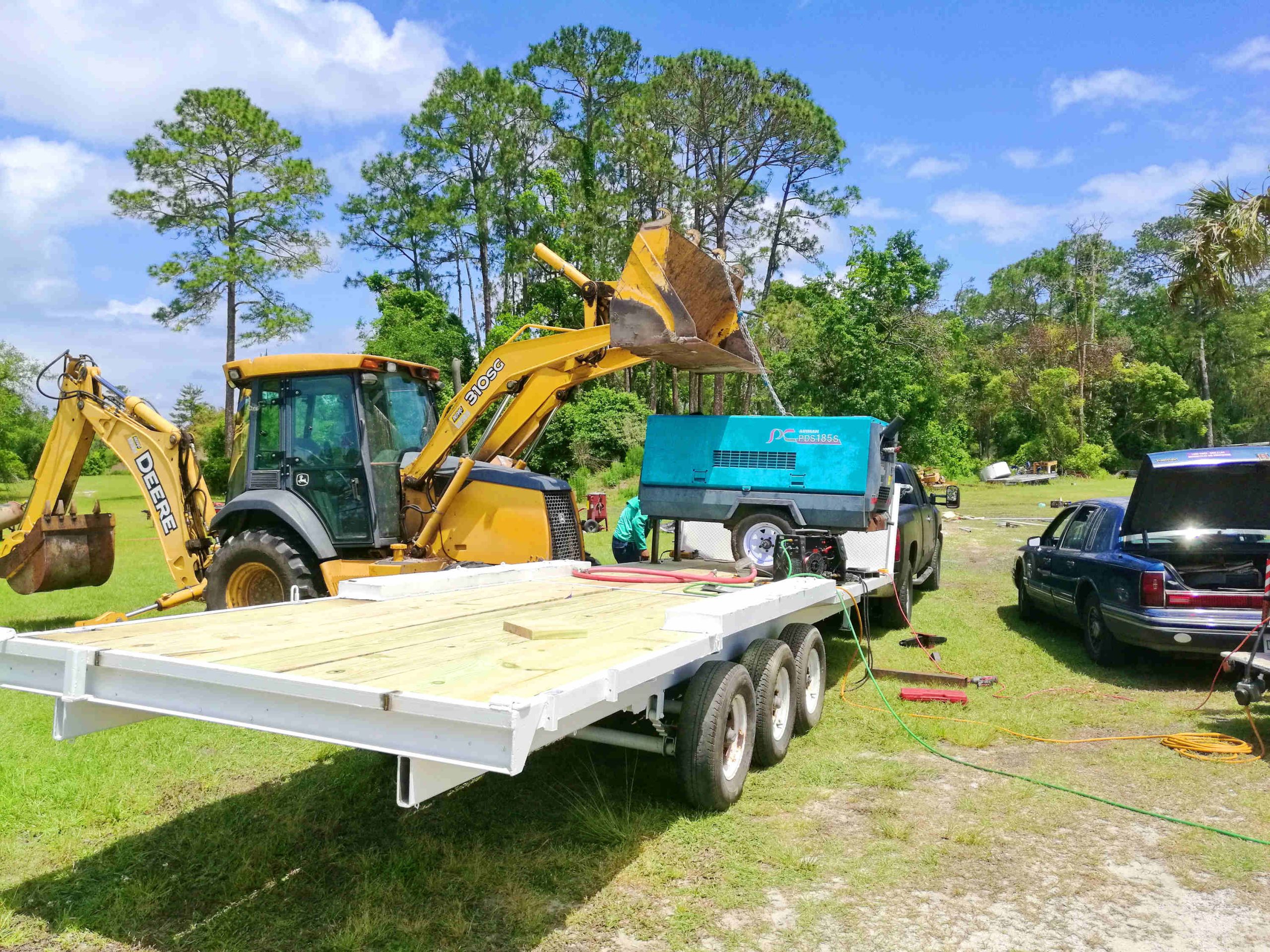
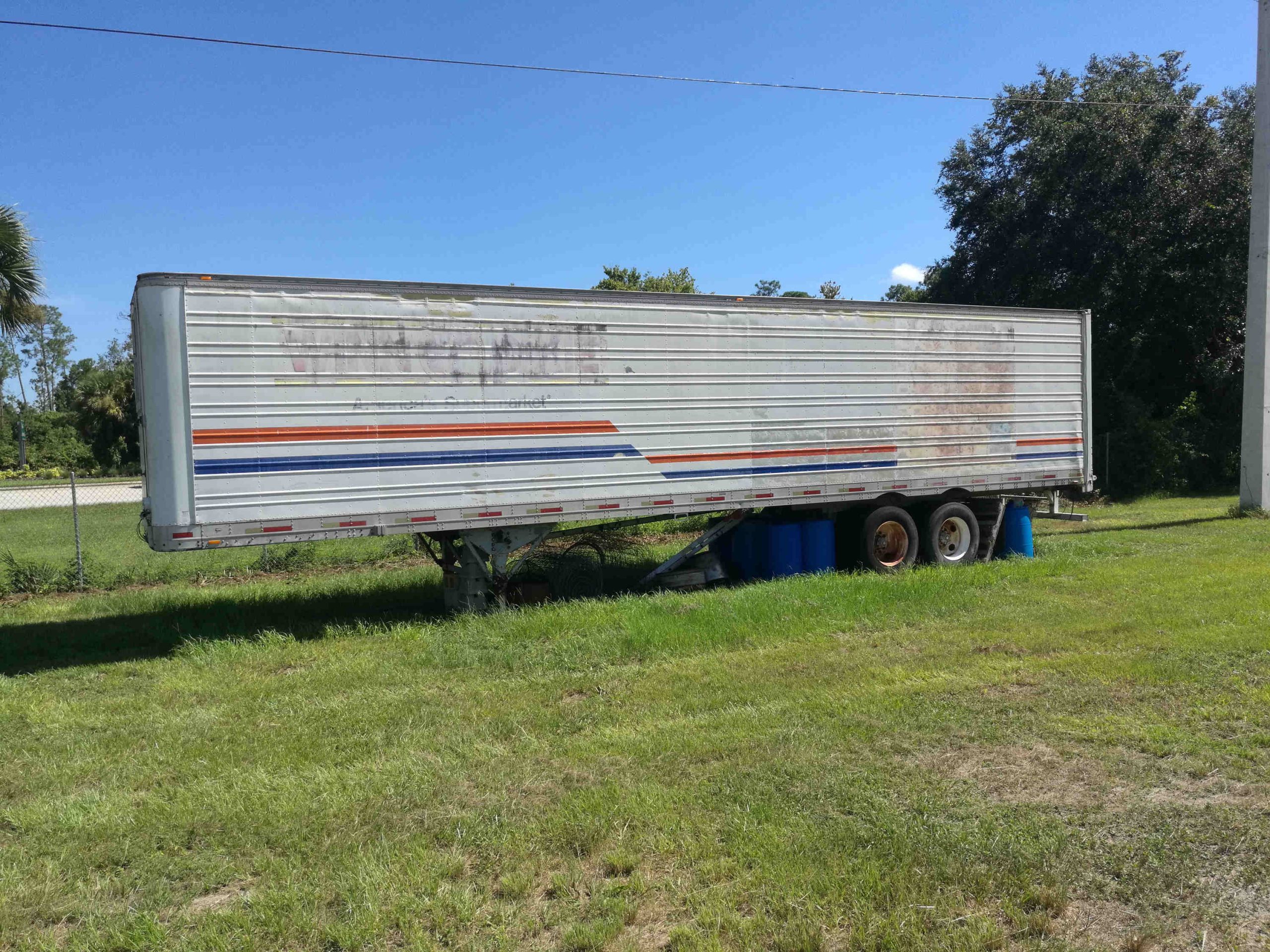
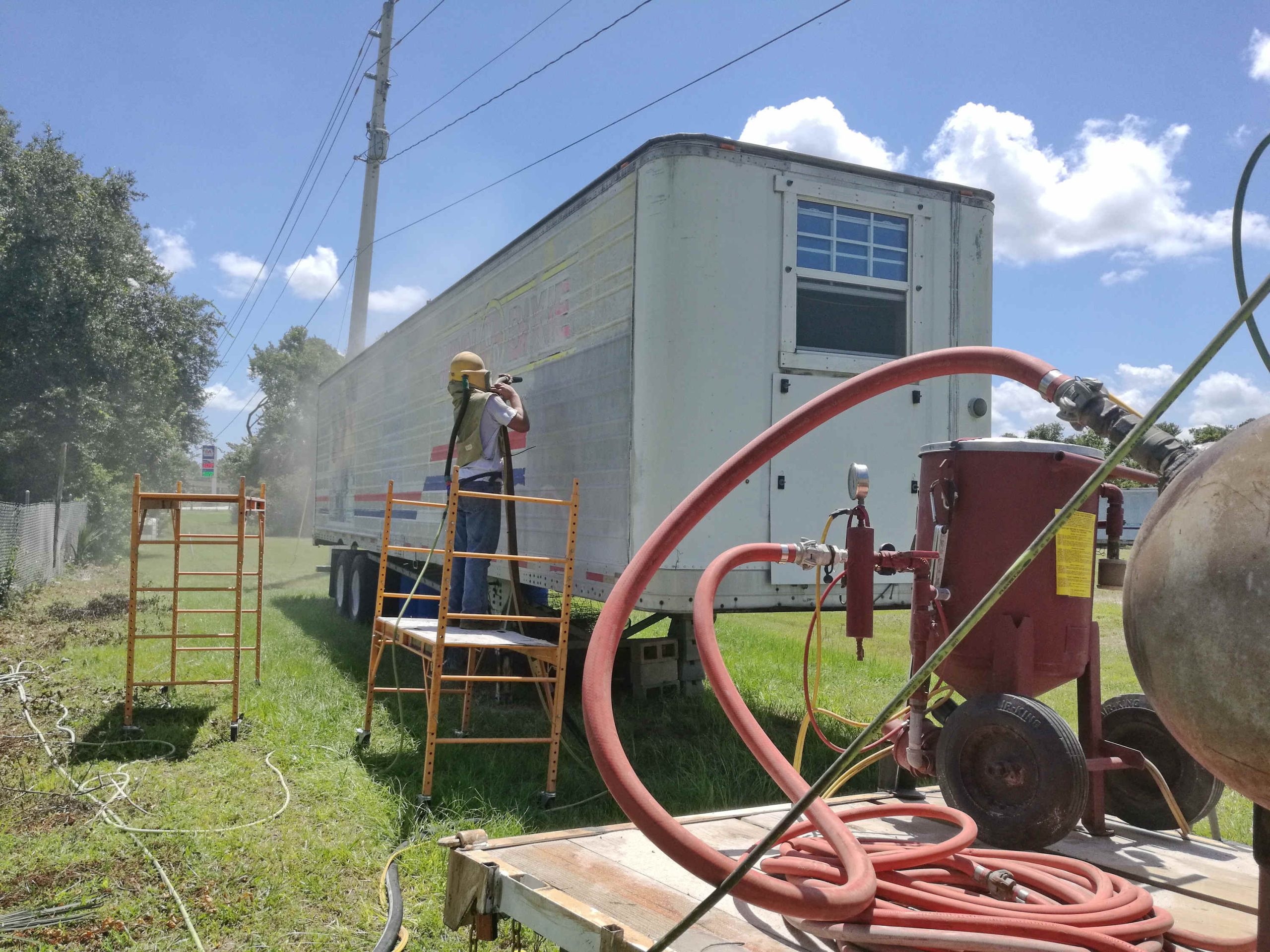
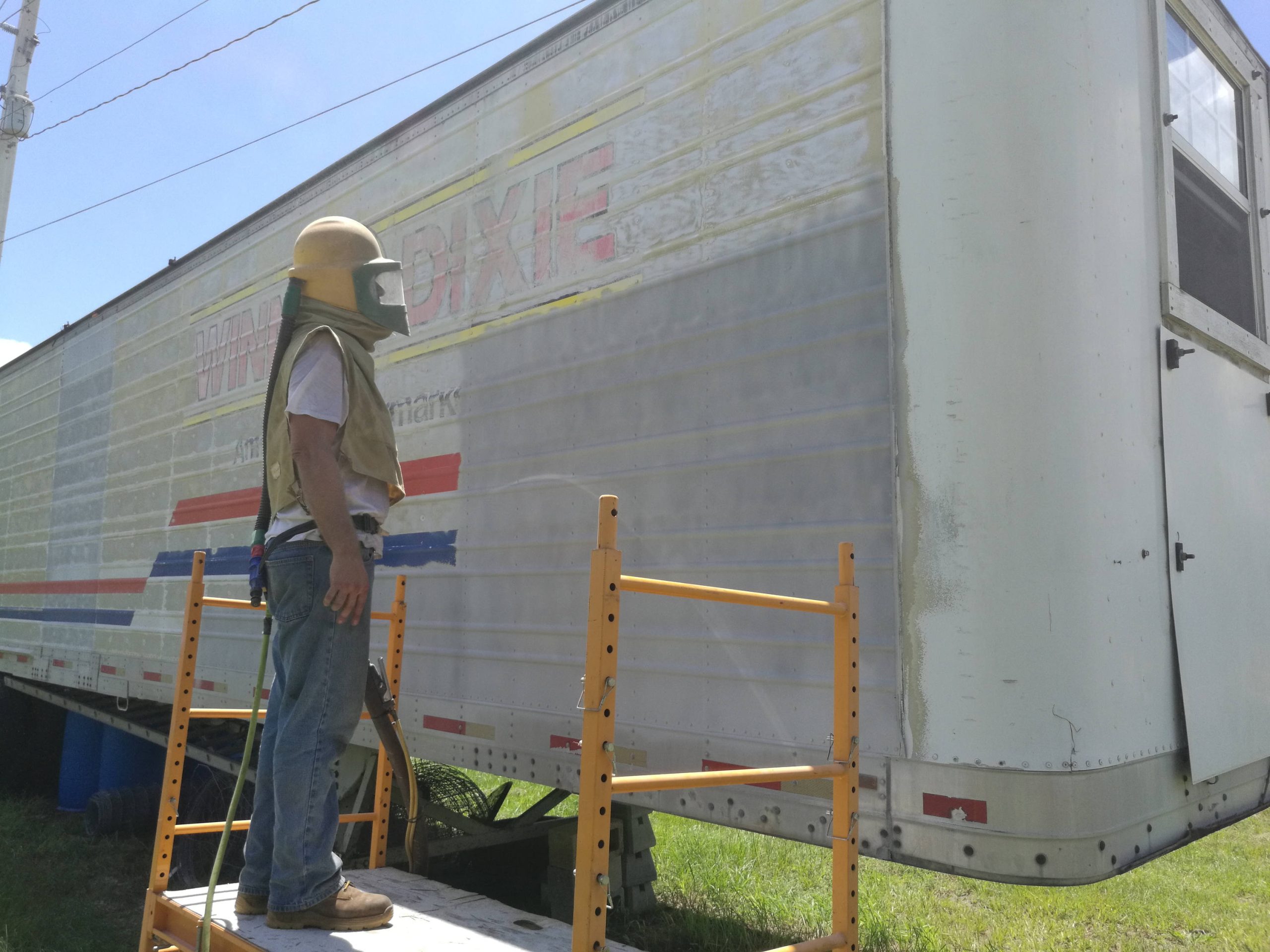
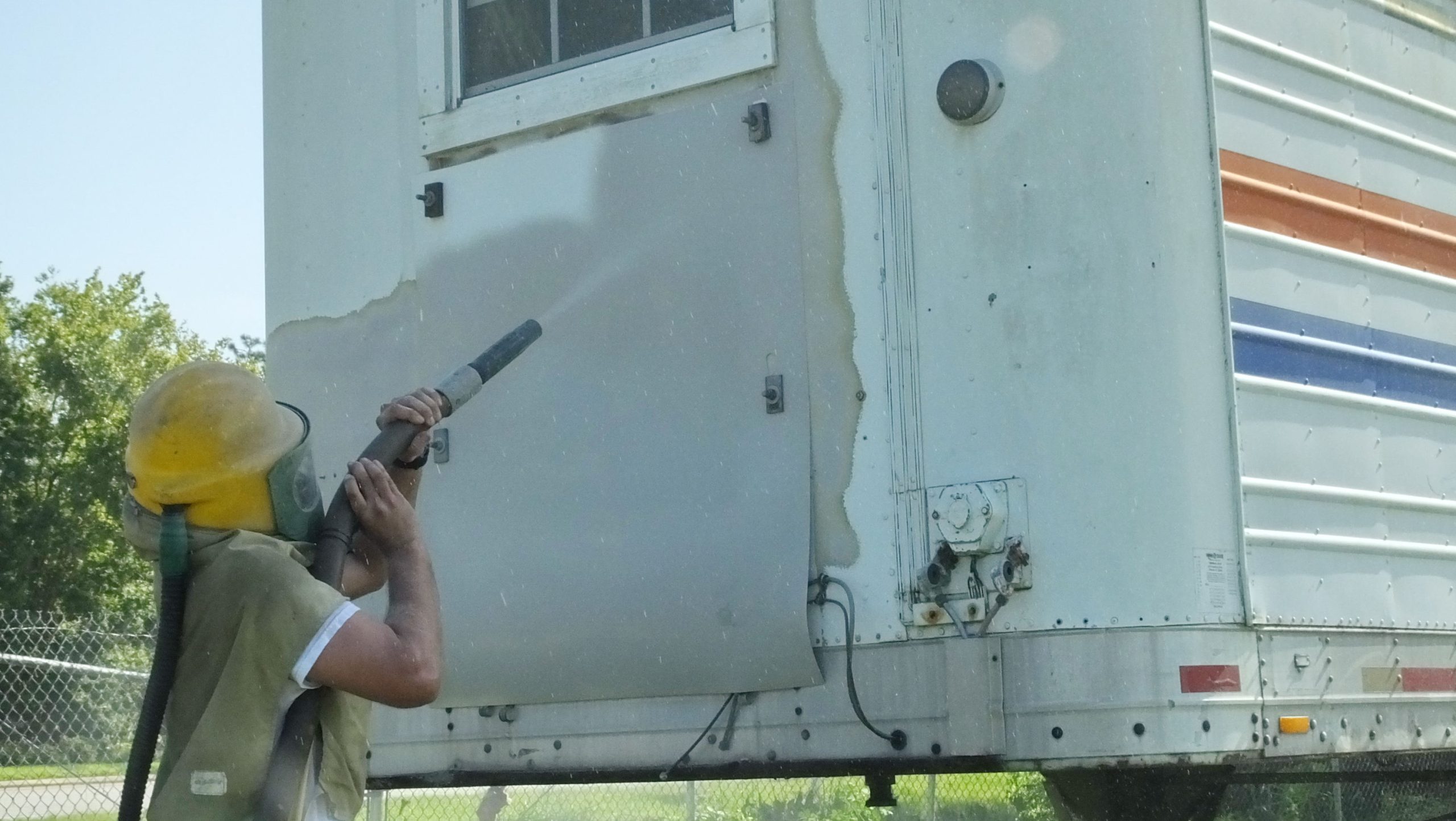
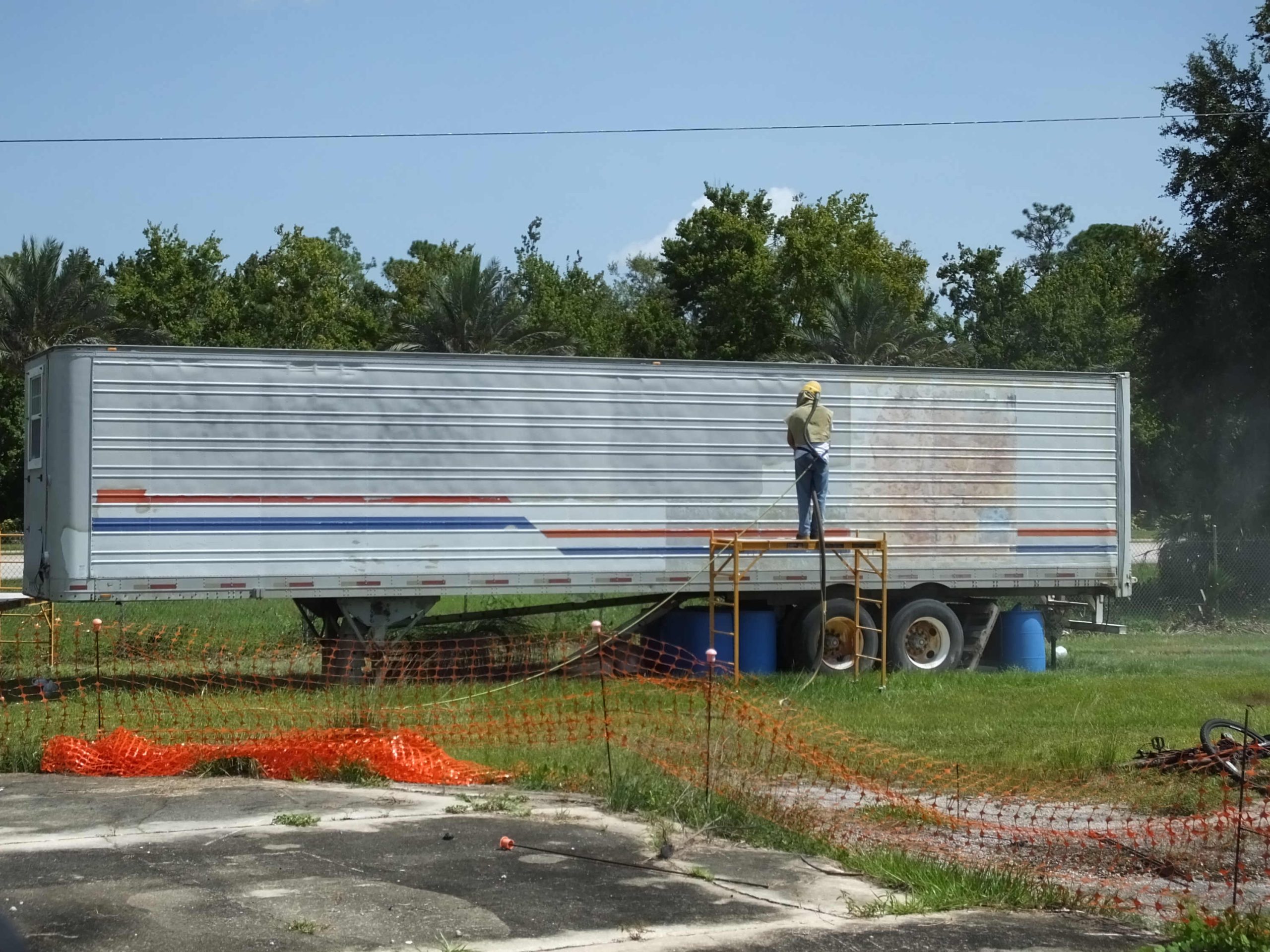
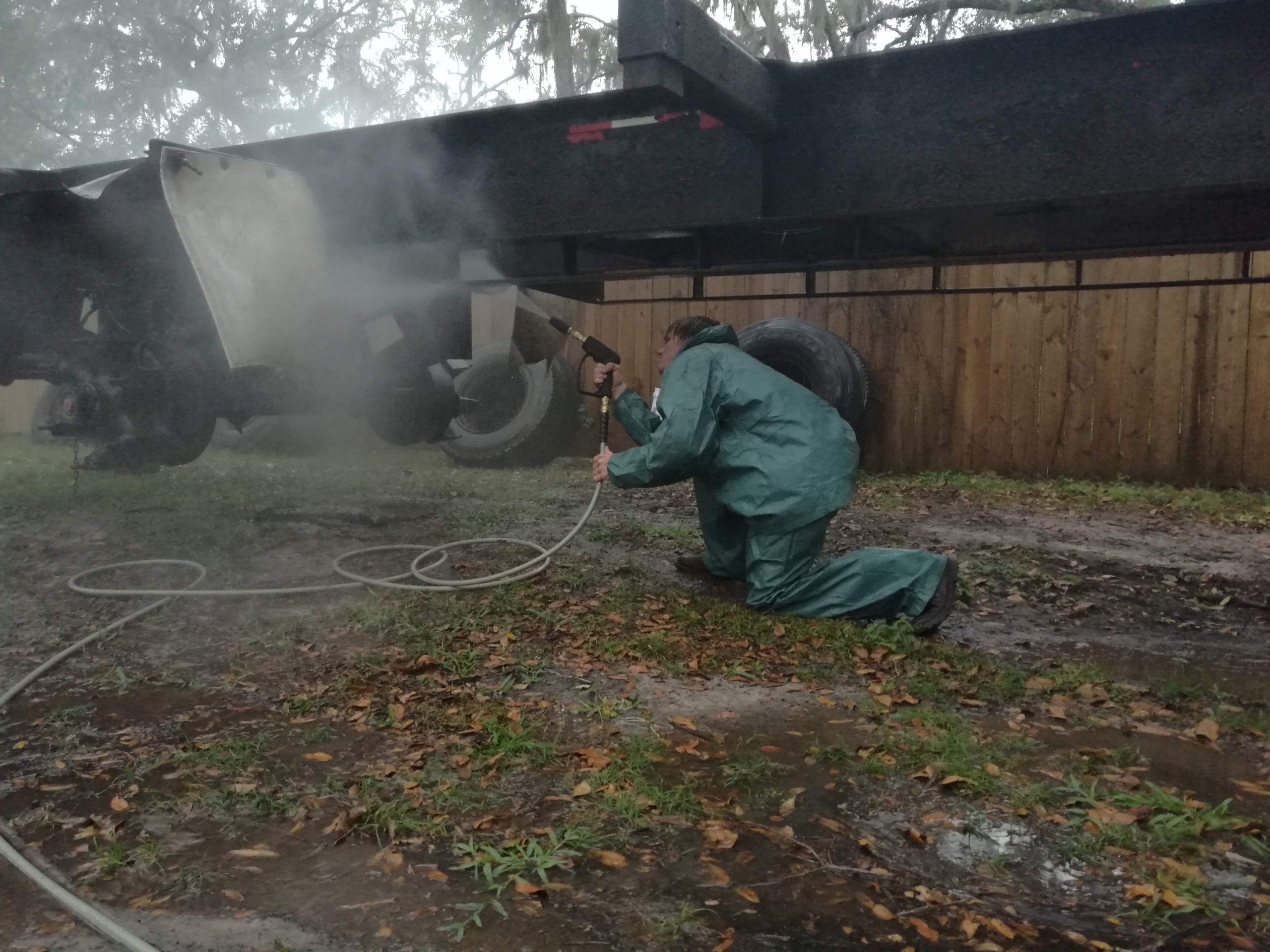
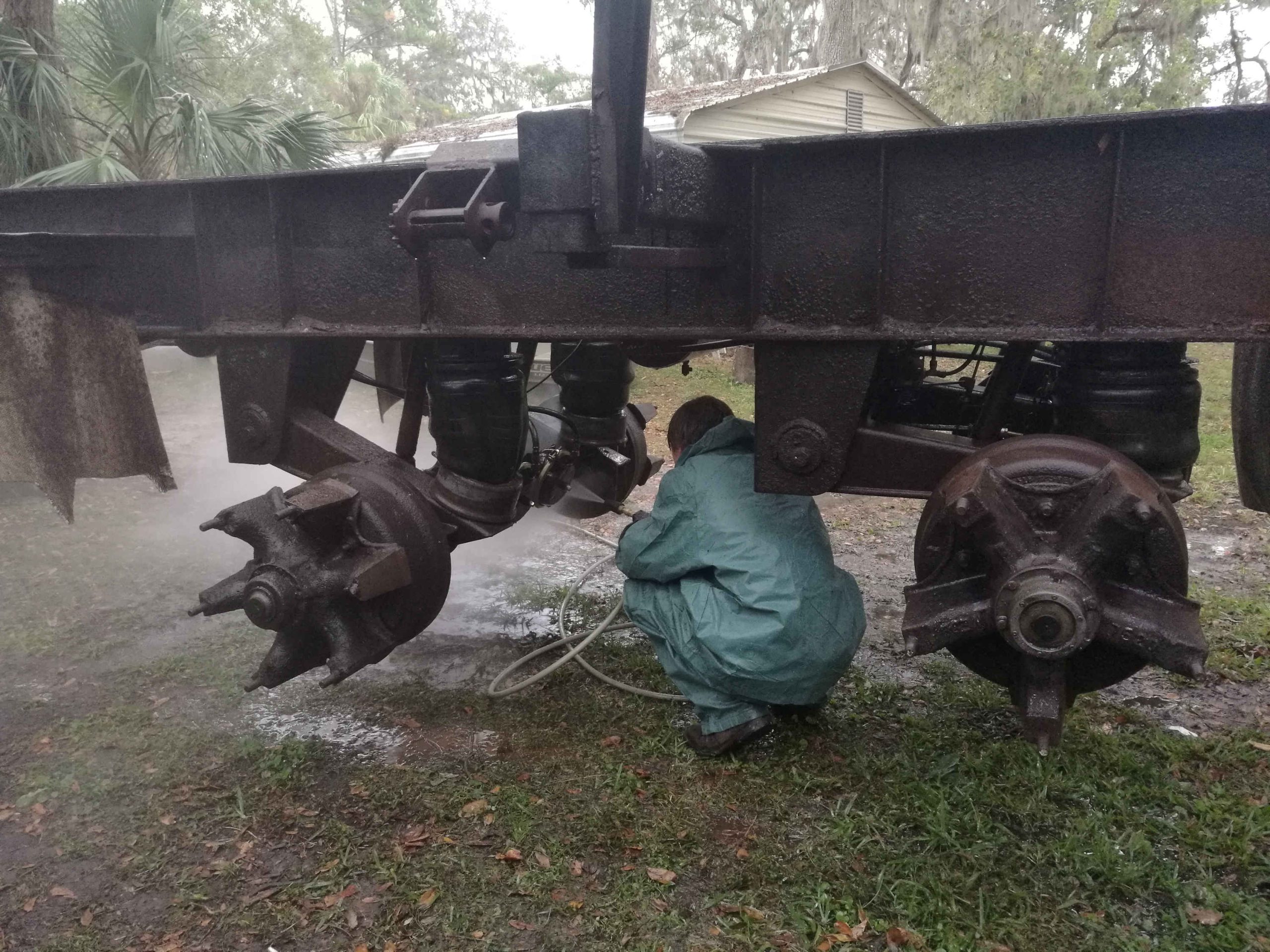
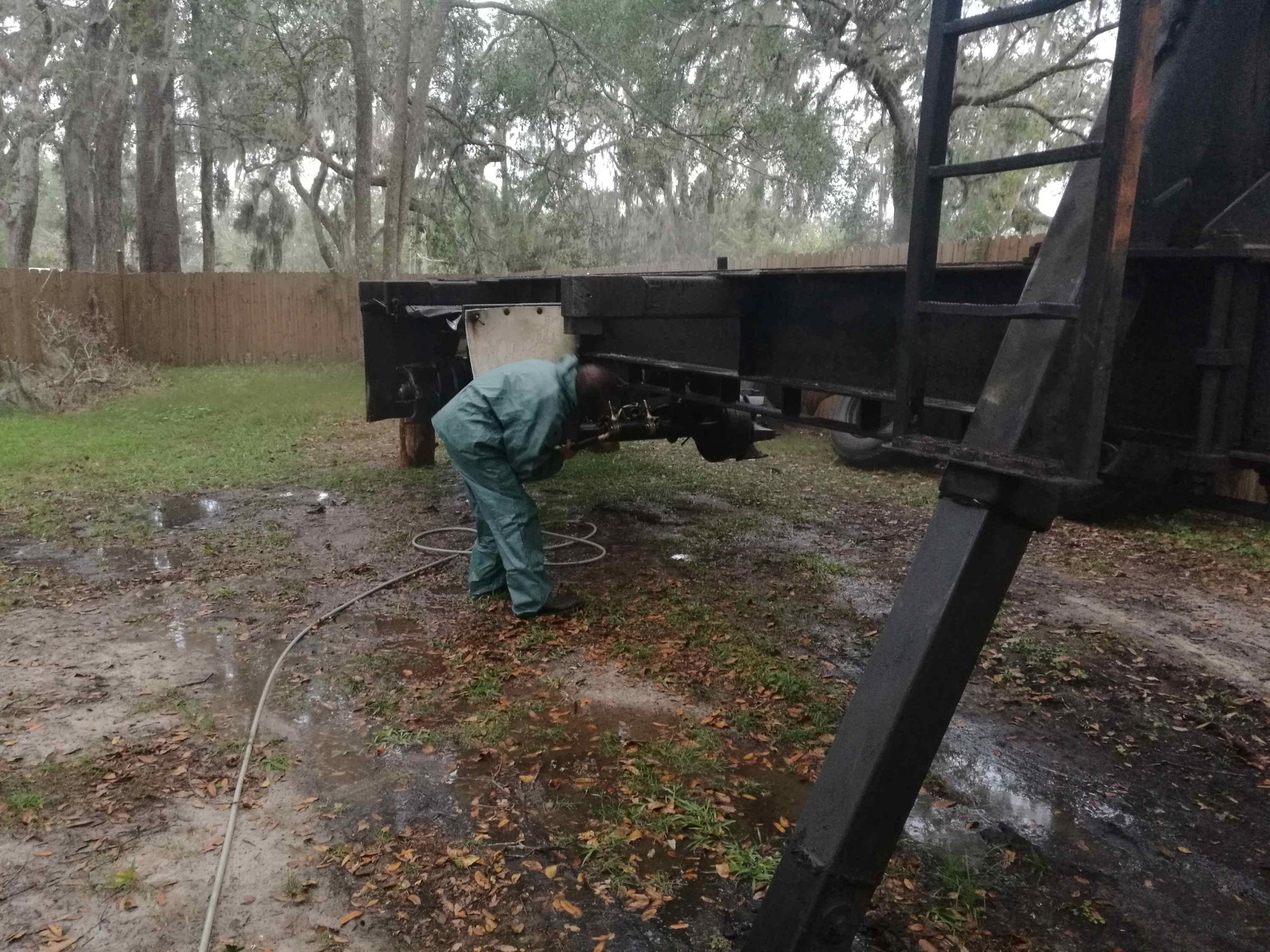
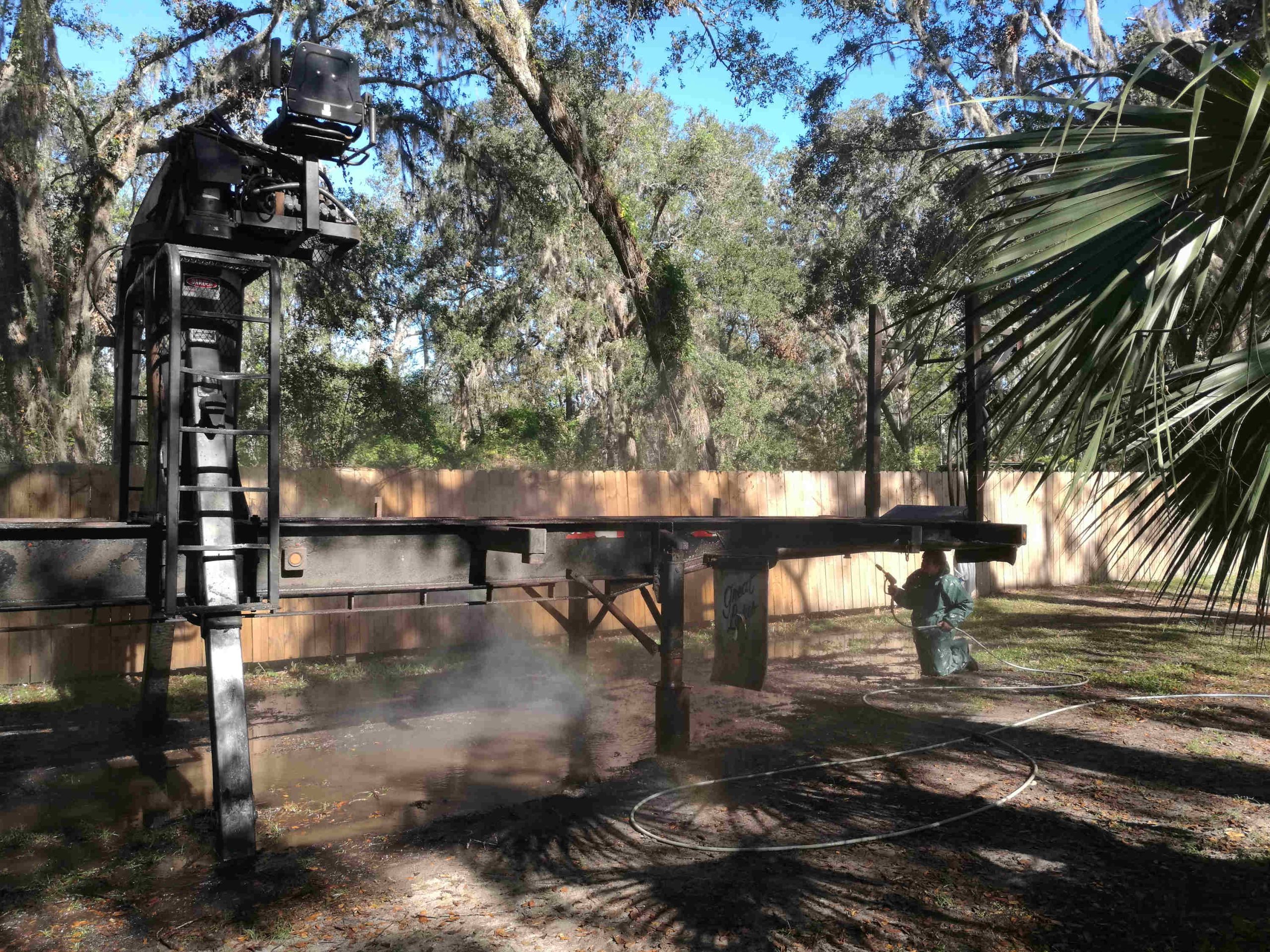
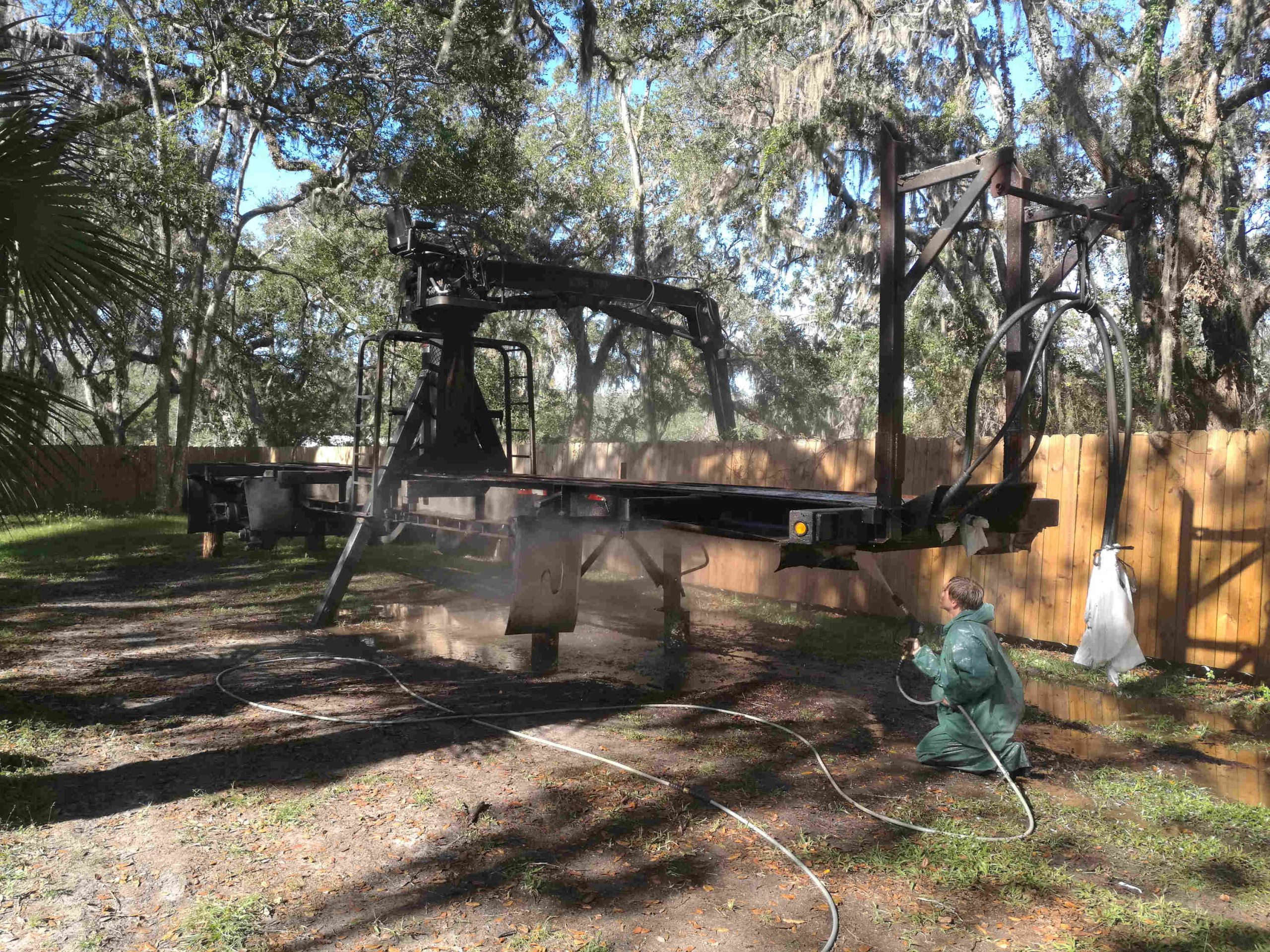
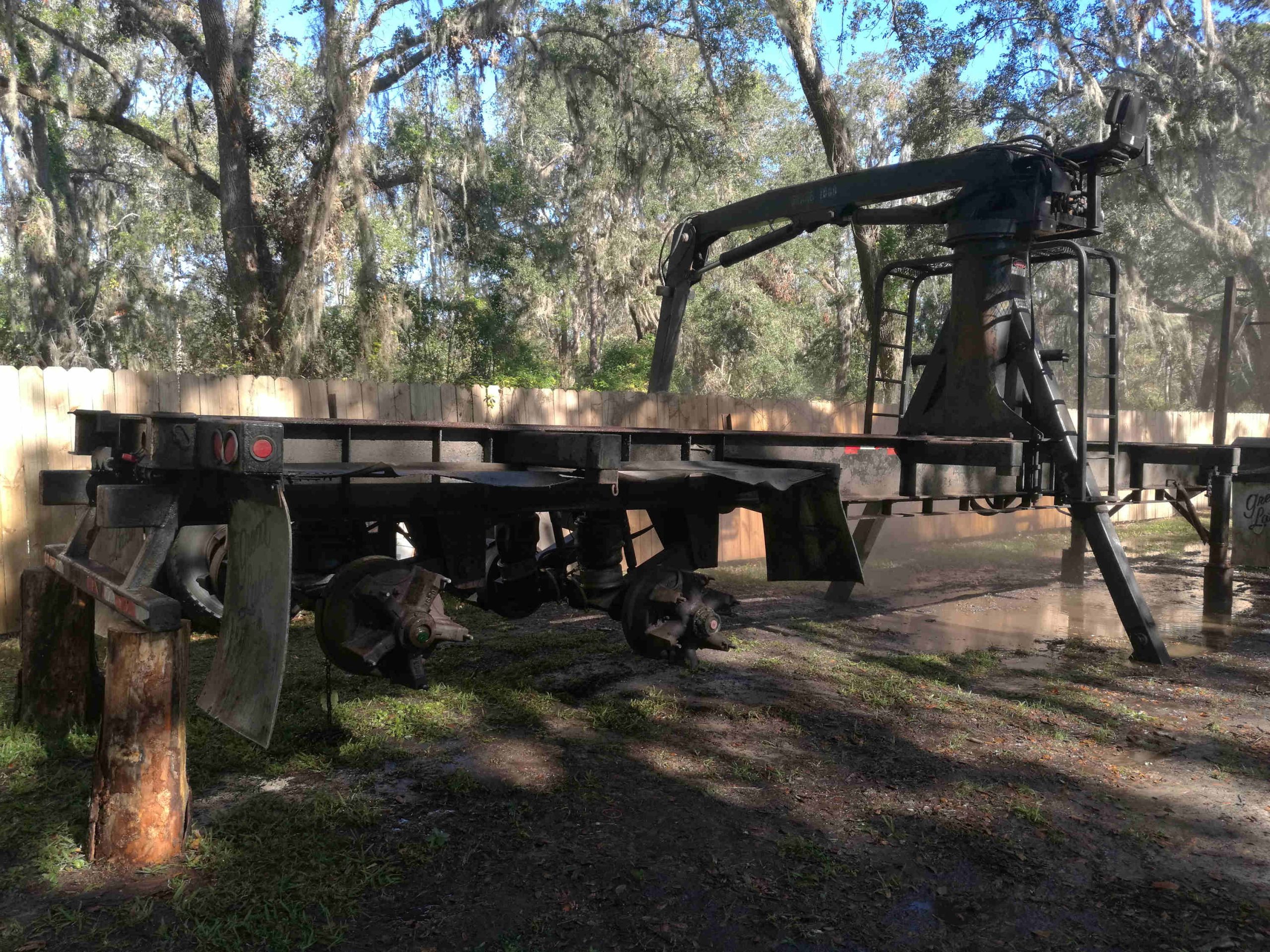
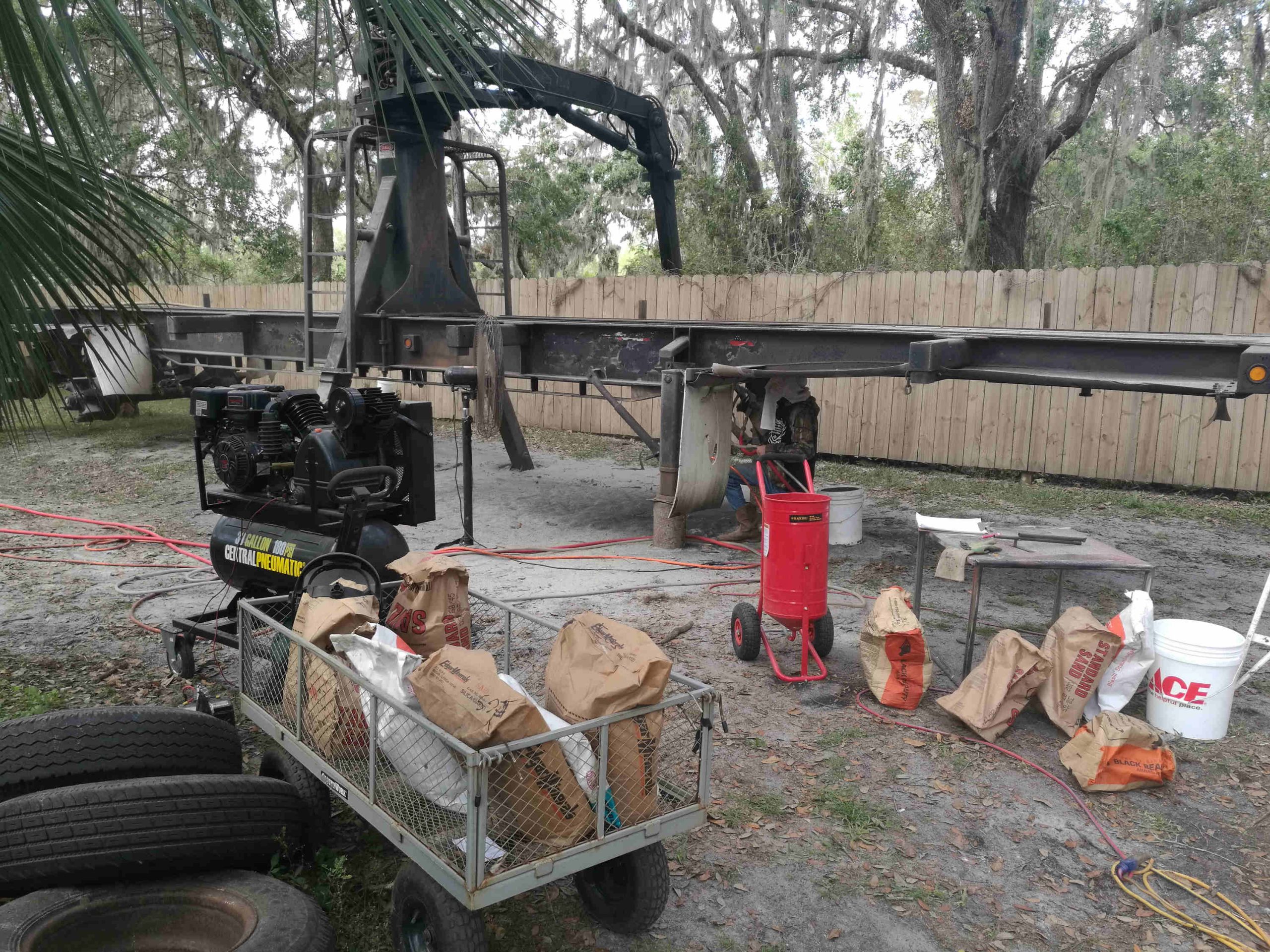
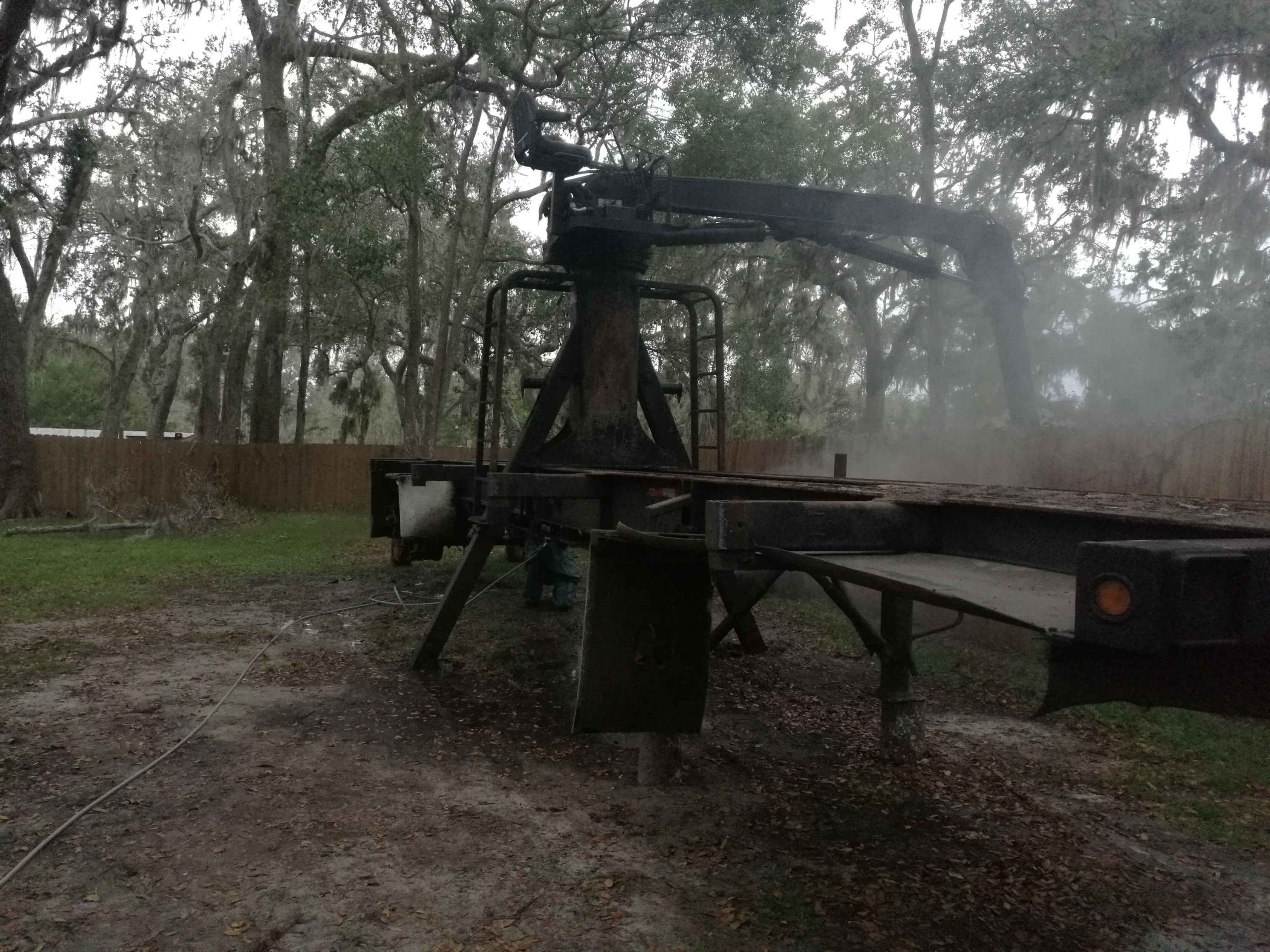
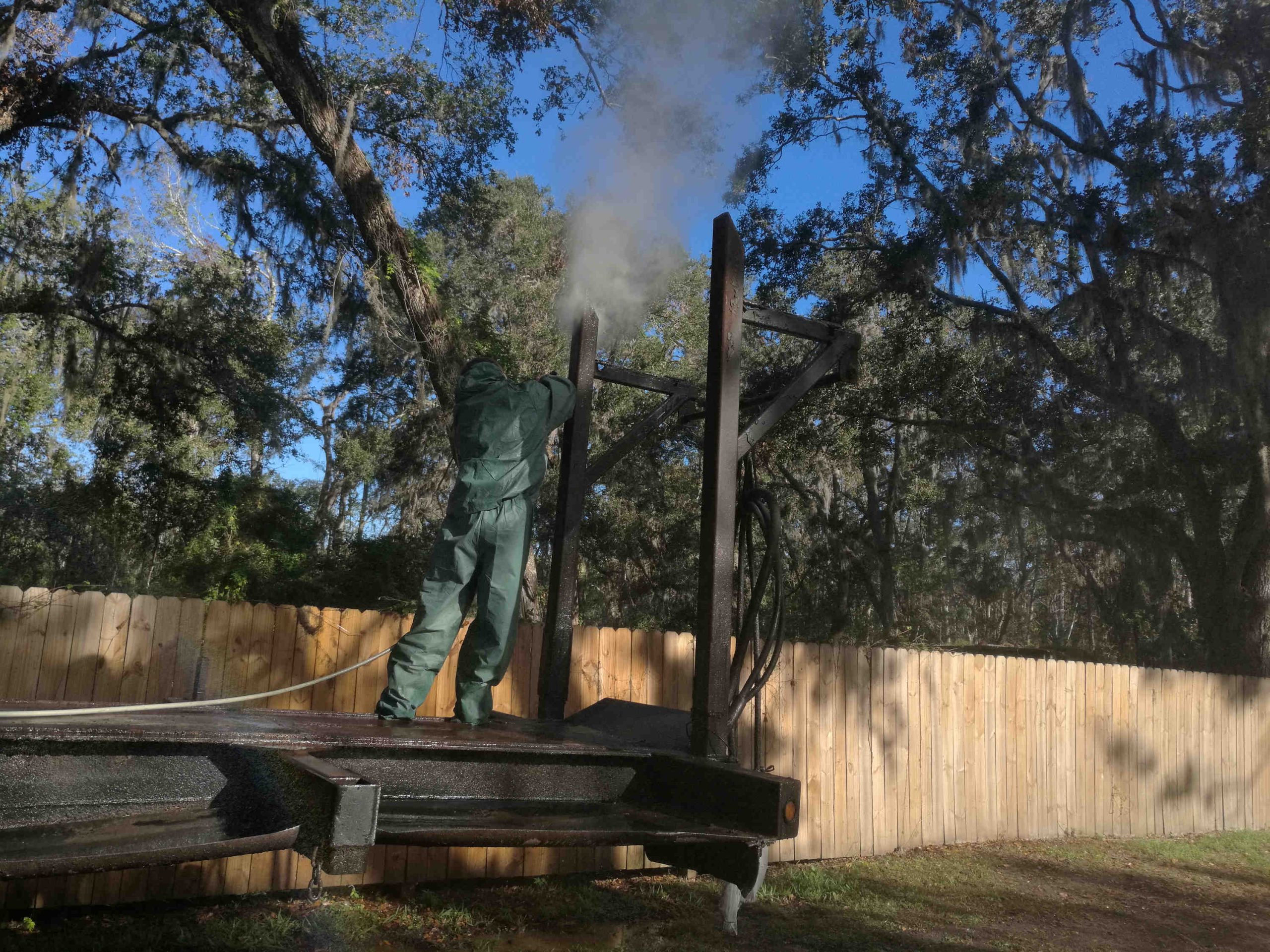
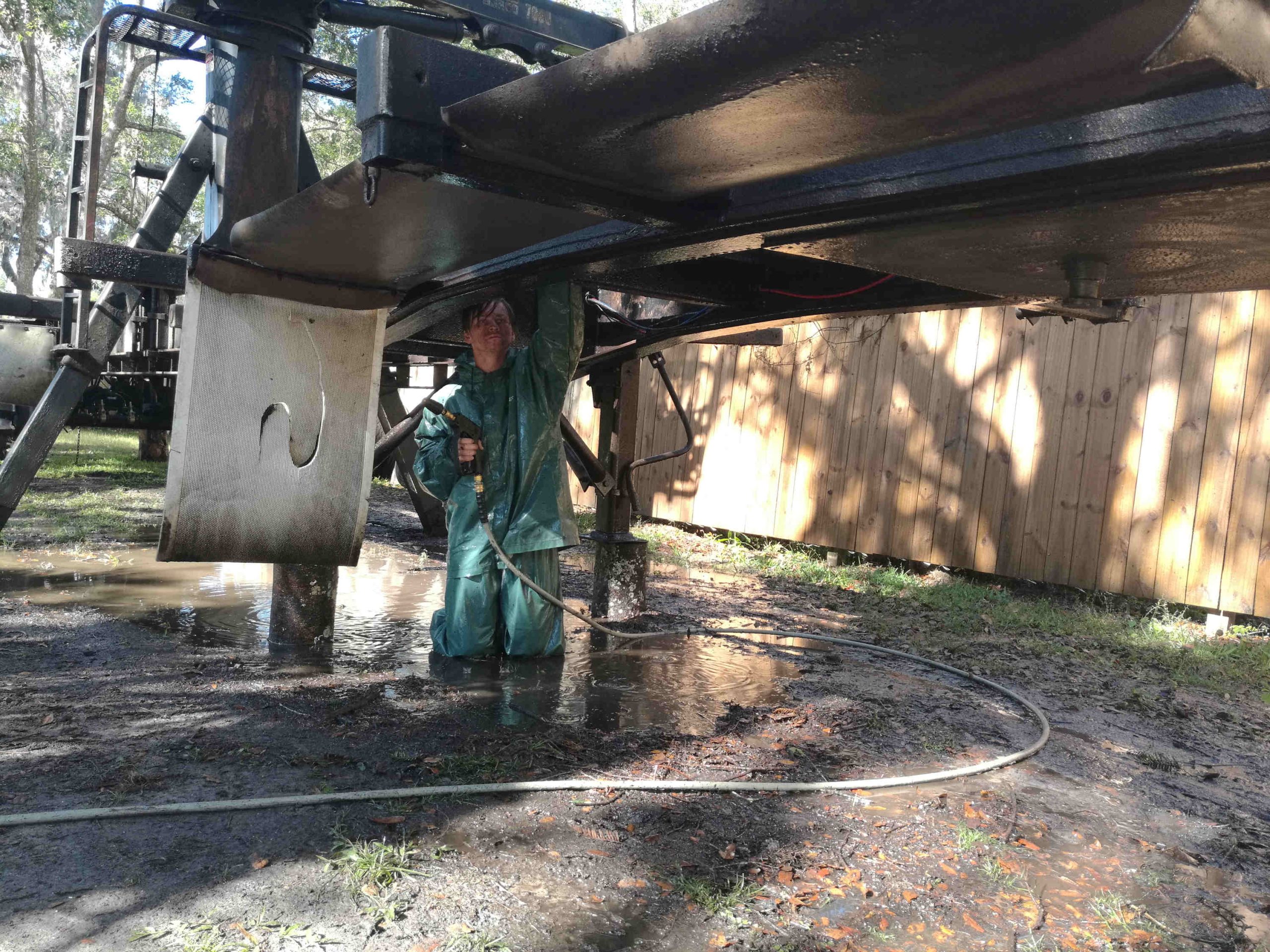
We specialize in professional sandblasting services that cover everything from heavy equipment and trailer restoration to concrete, brick, and wood surface cleaning. Our experienced team delivers efficient, surface-safe solutions that bring your materials back to life.

Our Feedbacks
Our Client Says
Trusted by homeowners, contractors, and businesses across Gainesville for top-tier sandblasting services.
FAQ's
Frequently Asked Questions
What is sandblasting?
Sandblasting is a general term to describe the act of removing fine bits of material at high-velocity to clean a surface. Silica sand is the most commonly used material, but any small, relatively uniform particles will work.
Sandblasting has been used for many years as a method of preparing a surface for the application of paint or a sealant. When painting, one does not want to trap dust, dirt, or bubbles in a previous layer of paint, or other imperfections under the new layer. By sandblasting, which is a technique of launching small bits of abrasive at the surface at a high speed, all imperfections are loosened and can then be easily washed off. This creates a smooth surface that is ready for a redesign with new stucco, paint or other forms.
What is sandblasting used for?
Sandblasting is used to remove paint from stucco and other textured structures. It is also used to rejuvenate concrete, bring back the original look of brick, or stone. Sandblasting is also used for metal and wood projects. Not only can it remove rust and paint, sandblasting can give wood its rustic or natural look and texture again. Sandblasting is also used for profiling metal. New metal has a very smooth surface which can hold onto paint for 5-10 years before the paint begins to let go of the metal and peel/flake up. If the metal has been blasted/profiled, it roughens up the surface by creating indentations, valleys and peaks on the metal. Now when profiled metal is painted, the paint will grip the metal for 15-30 years . Profiled metal creates 5-10 times more surface area for the paint to adhere to. All new bridges and water towers are sandblasted/profiled before the final paint coating is applied, so when it’s applied it will have a 30 plus year lifespan.
Sandblasting is used for fire damage remediation on wood as it can fully remove the char burn from the wood making it look clean and new as it totally & permanently removes the burnt wood smell also.
Does sandblasting affect the wood trim on the exterior of concrete or stucco buildings or homes?
When we are sandblasting a hard surface such as the non-wood exterior of a home, wood trim could be damaged. So our team covers all parts of a structure that may be negatively affected by sandblasting. In other words, when we are working on, for example, removing stucco, we protect the wood trim from being damaged if requested.
Does sandblasting damage electrical wires, fixtures, telephone wires, etc?
All possible precautions are taken into consideration during a sandblasting job, damages may still occur due to unforseen complications because of type/density of texture on your property’s surface. Jacksonville Florida Mobile Sandblasting takes no responsibility for unforseen damages.
Does sandblasting damage windows or roofs?
It is a rare occurrence for windows or roofs to be damaged during sandblasting. To remove the paint off the wood trim at the edge of the glass, the window will need to be protected which we can easily accomplish if you request it.
What is the difference between wet sandblasting and dry sandblasting?
Wet sandblasting means water is used in the technique to remove paint, tex-cote or old stucco, from a structure. This is a common sandblasting technique for non-steel items.
Dry sandblasting does not utilize water.
What is the difference between dustless blasting and traditional sandblasting?
Dustless blasting is just another nickname used when adding water to the sandblasting process. Dustless blasting is wet blasting.
Dry sandblasting is also called traditional sandblasting.
When would each technique be used?
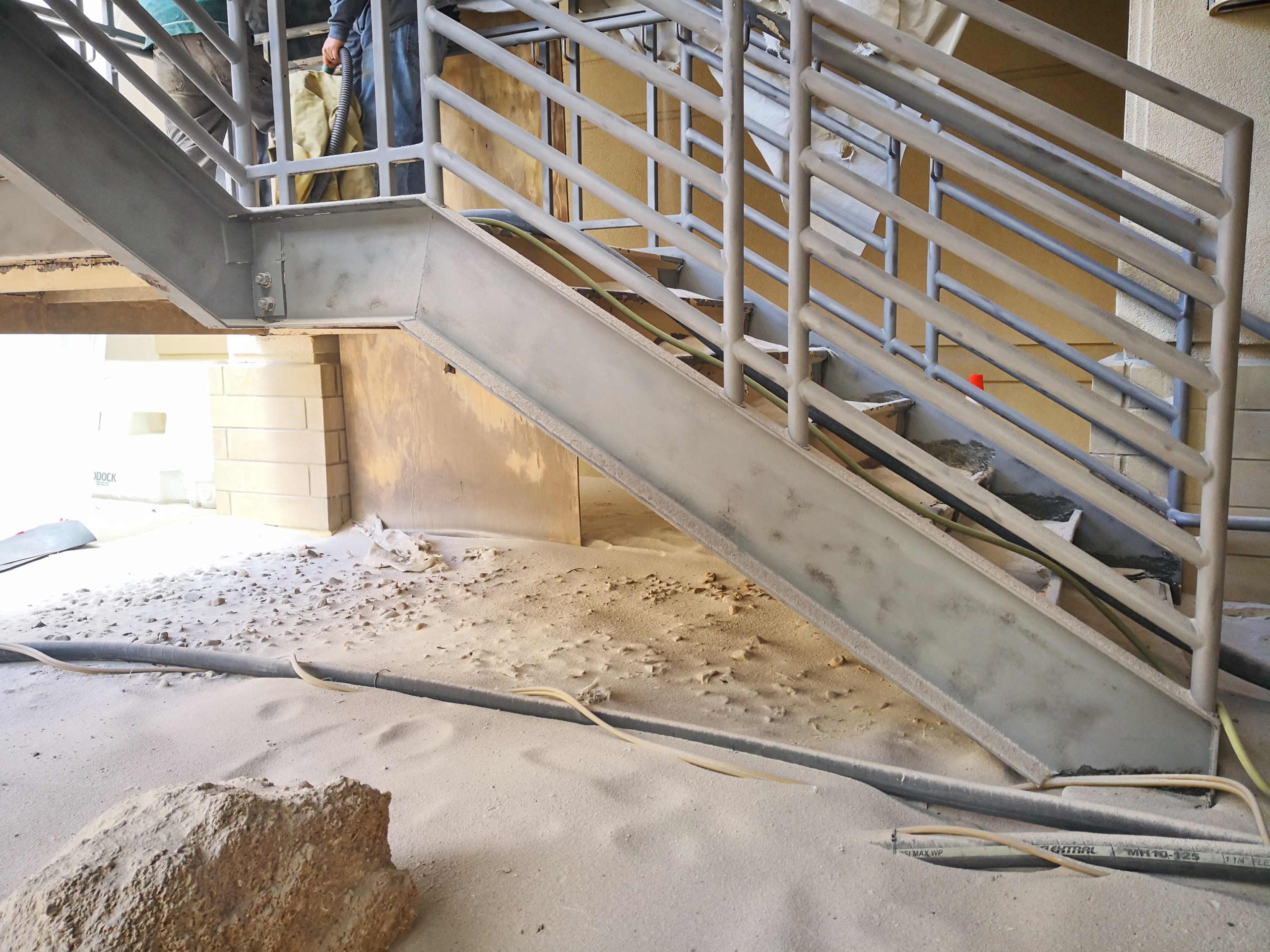
Wet sandblasting/dustless blasting is typically used for exterior jobs as when we are blasting brick or concrete.
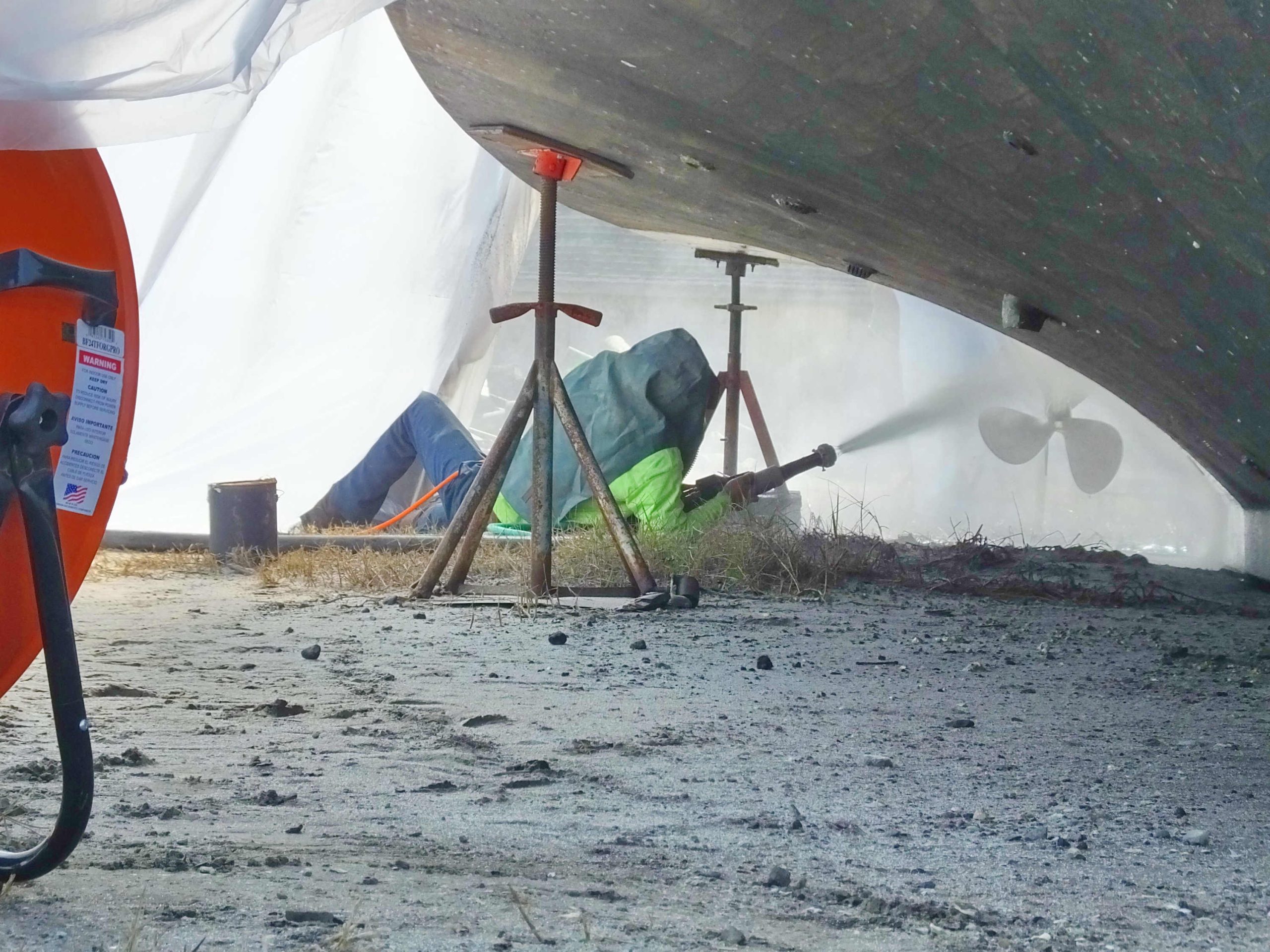
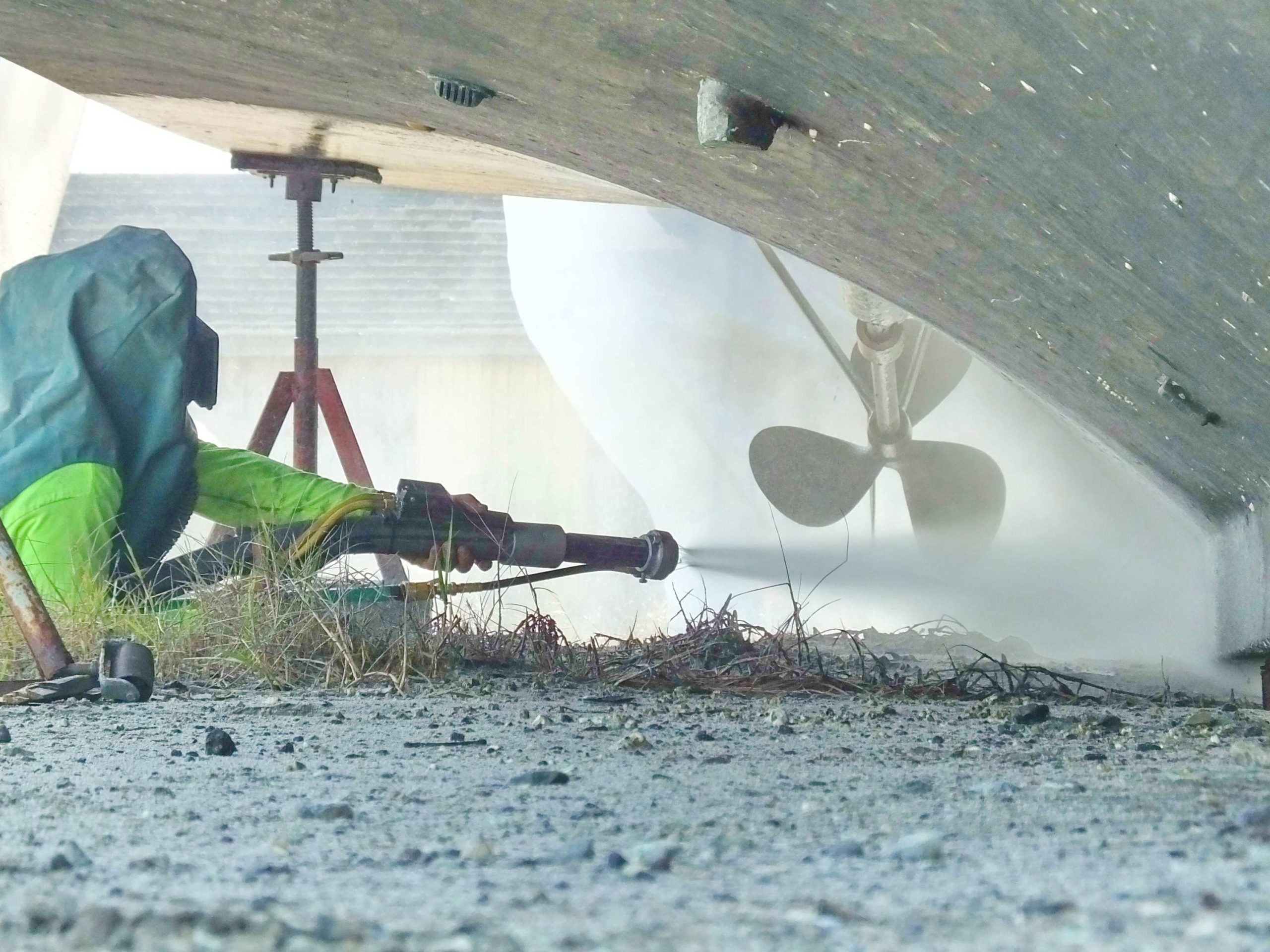
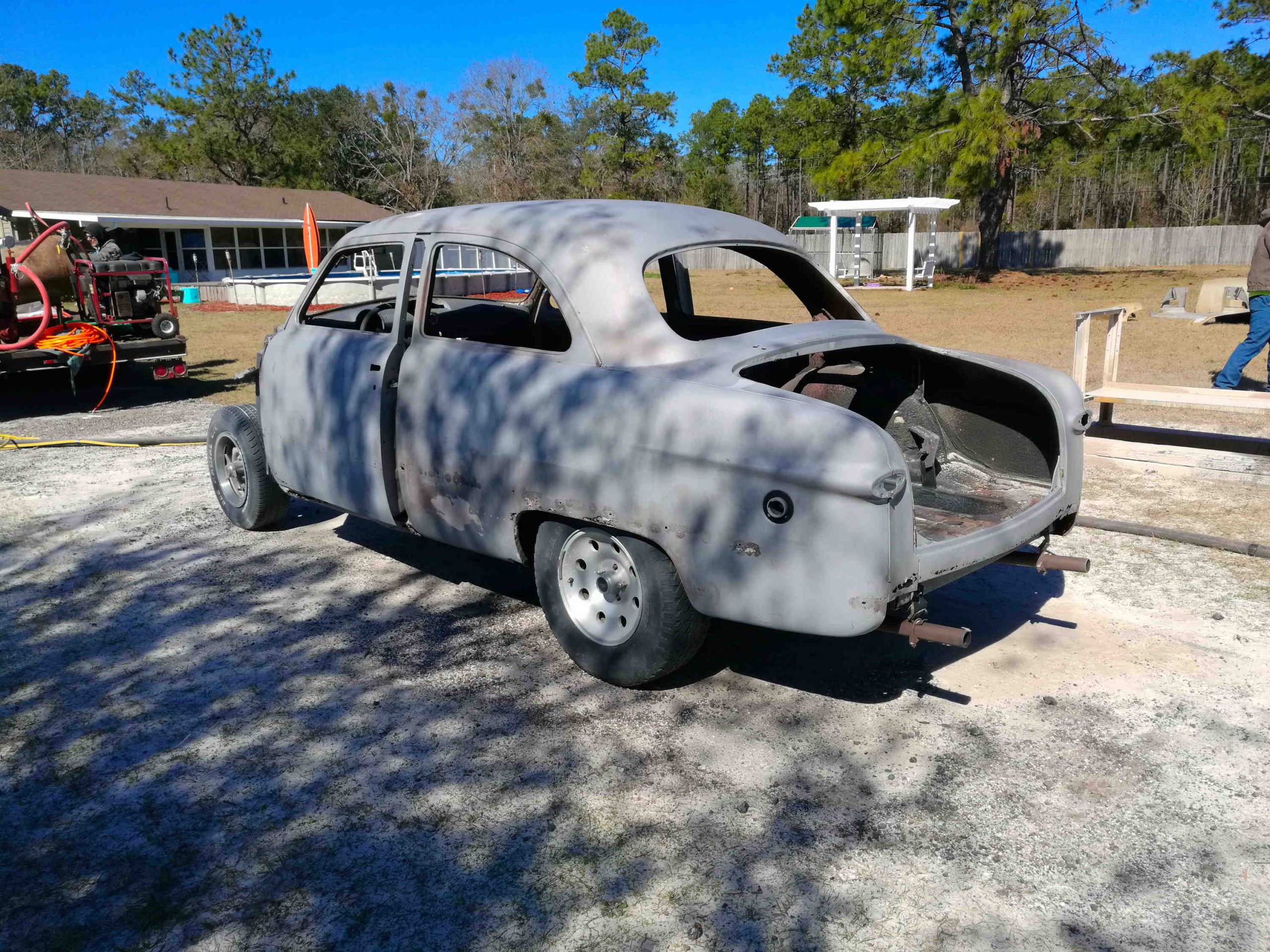
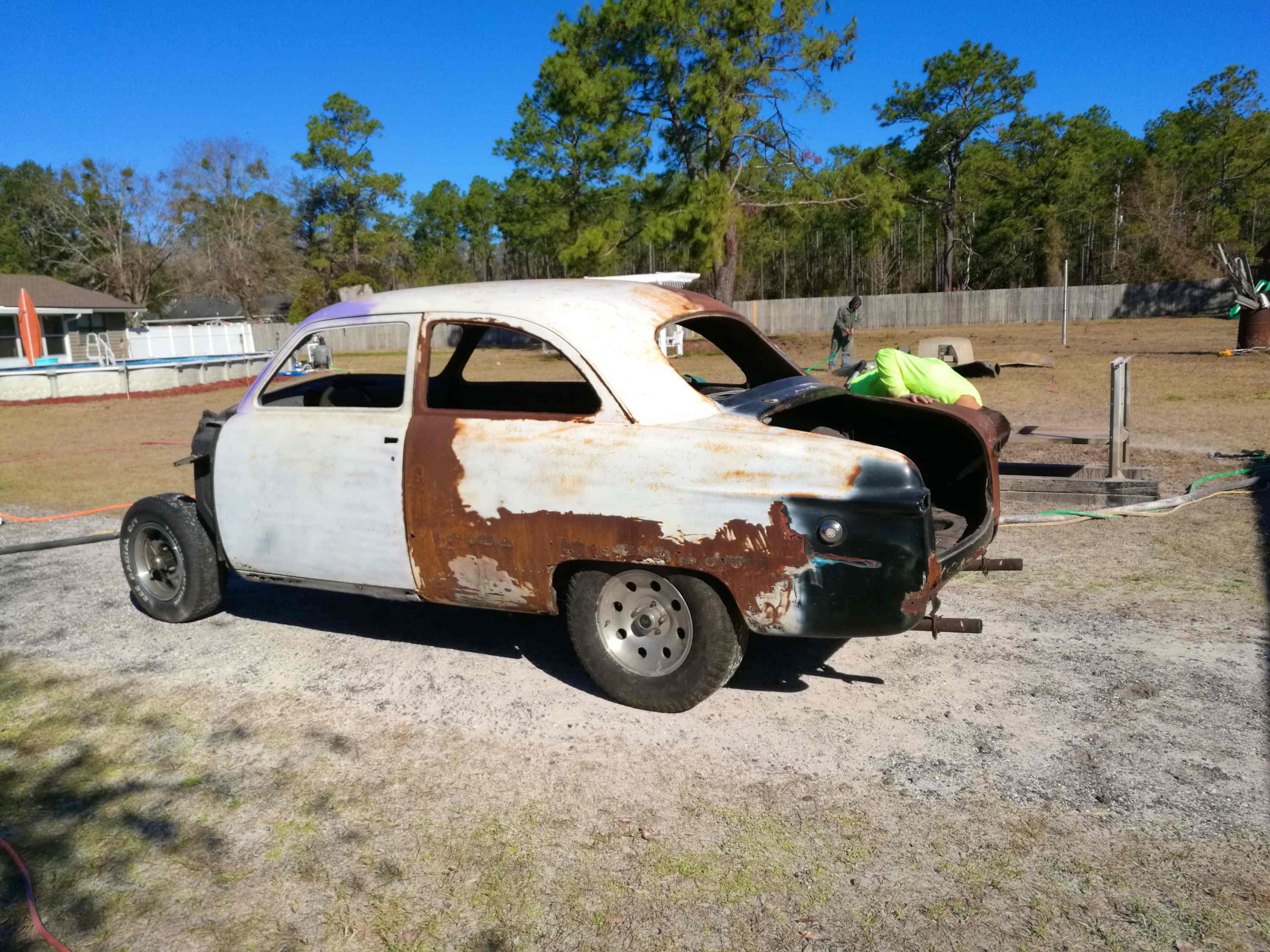
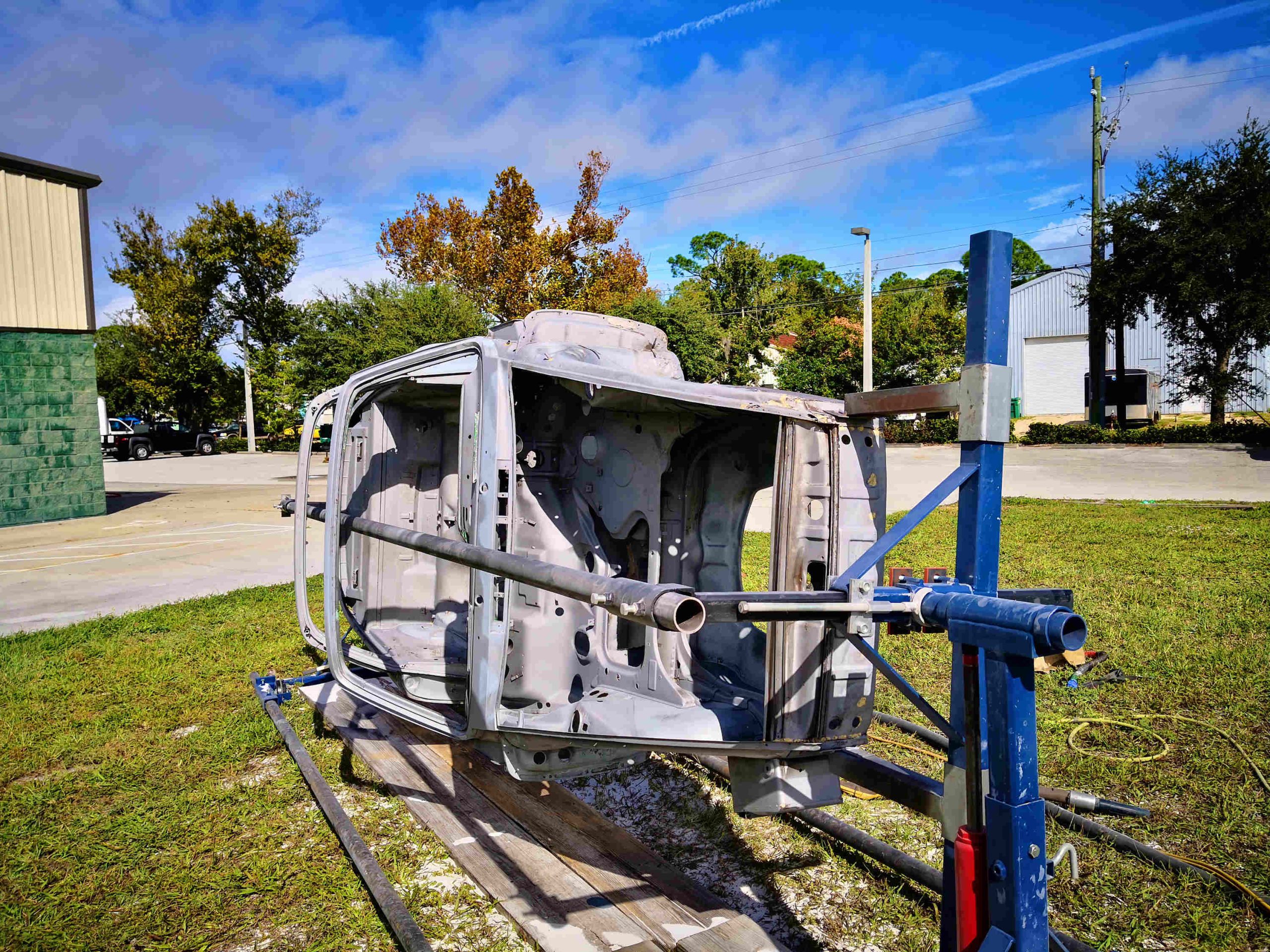
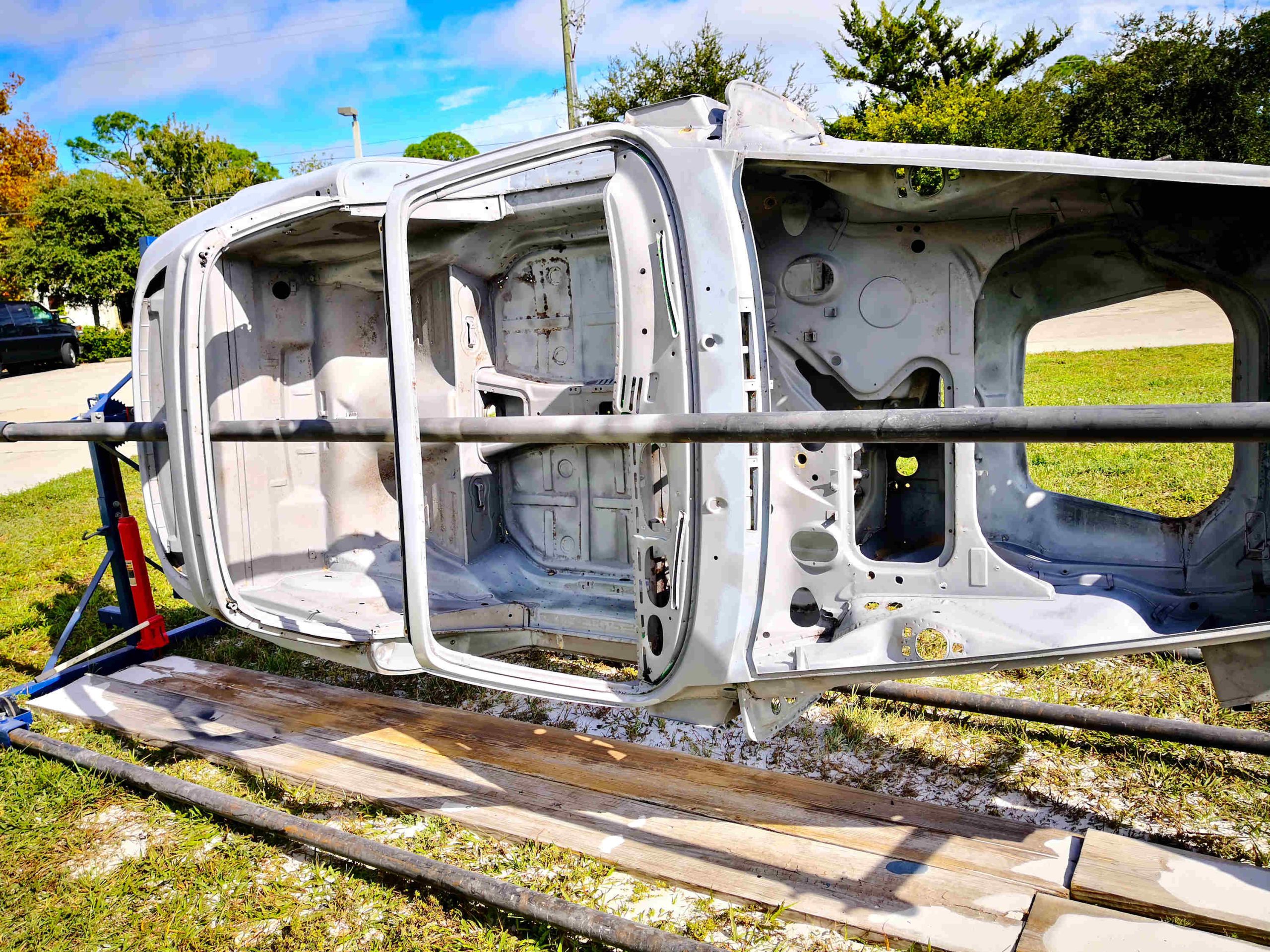
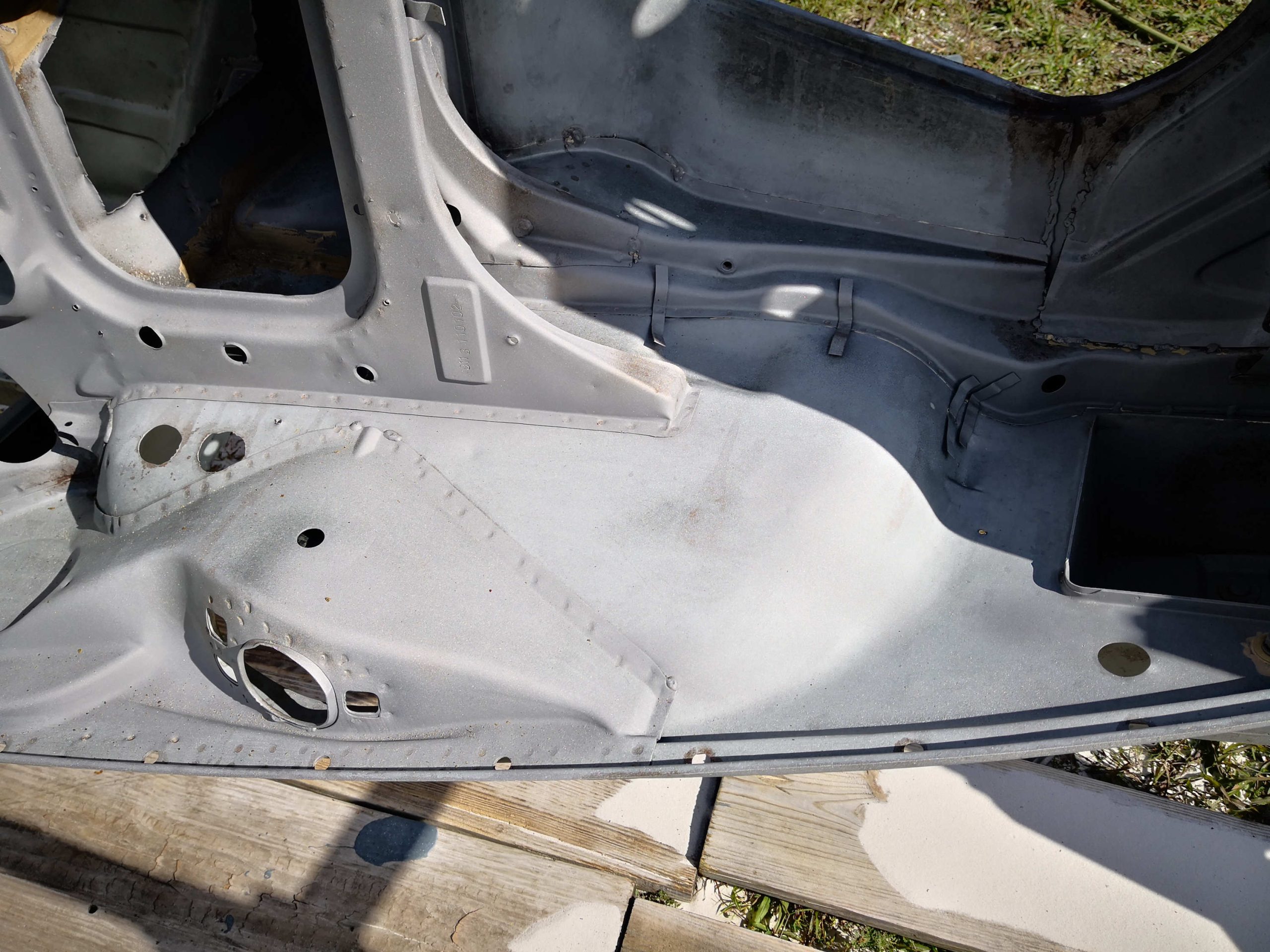
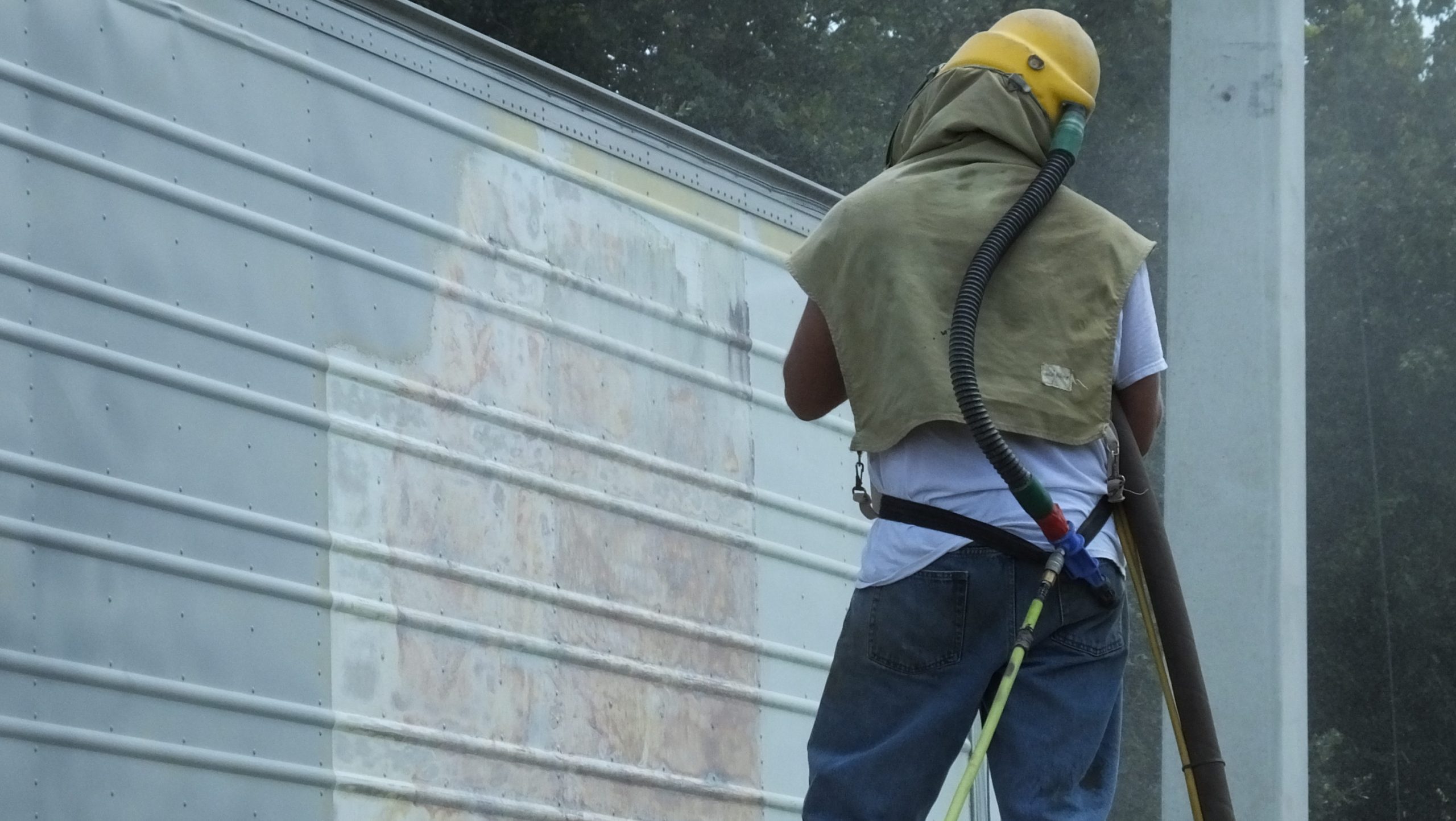
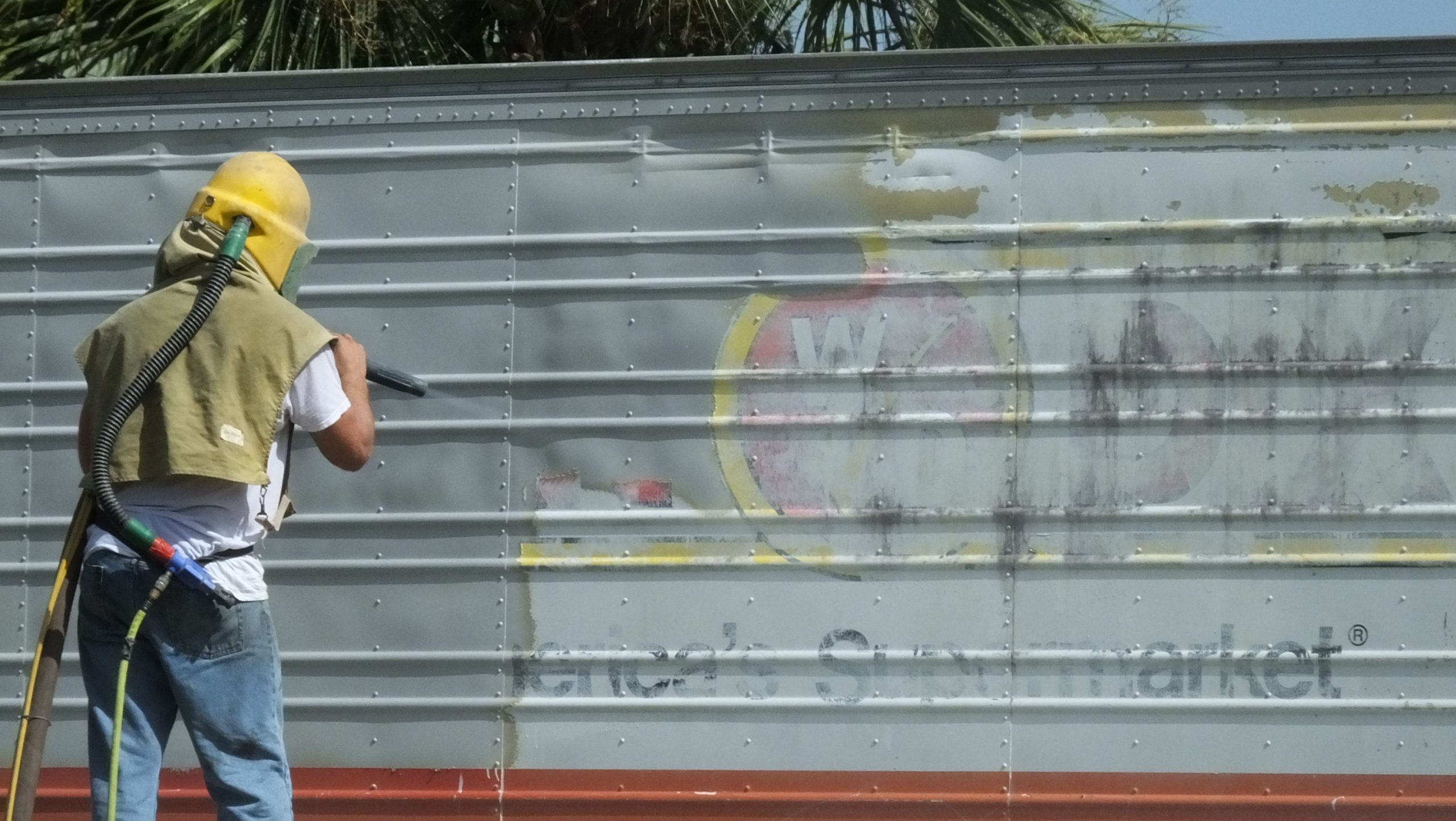
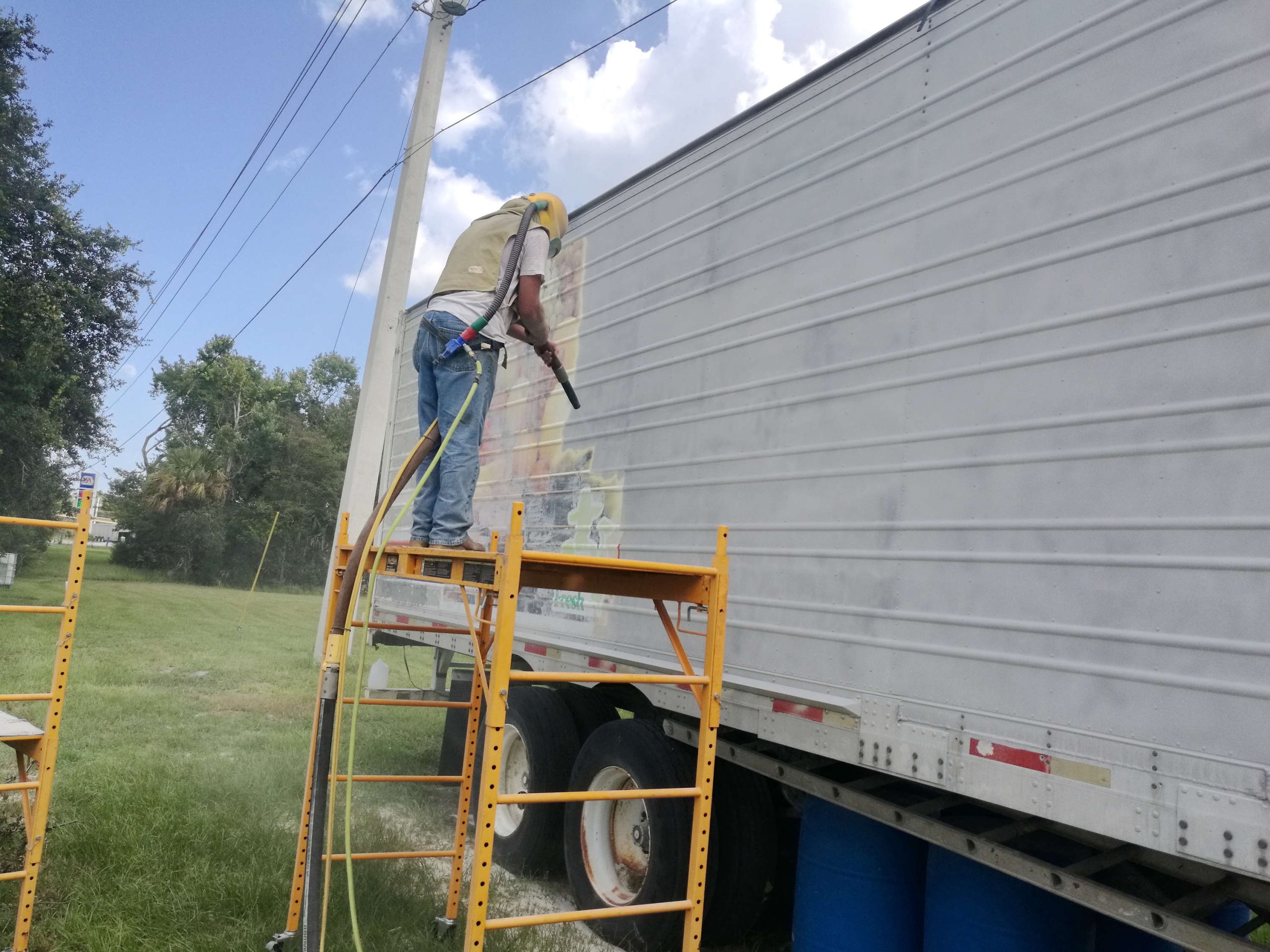
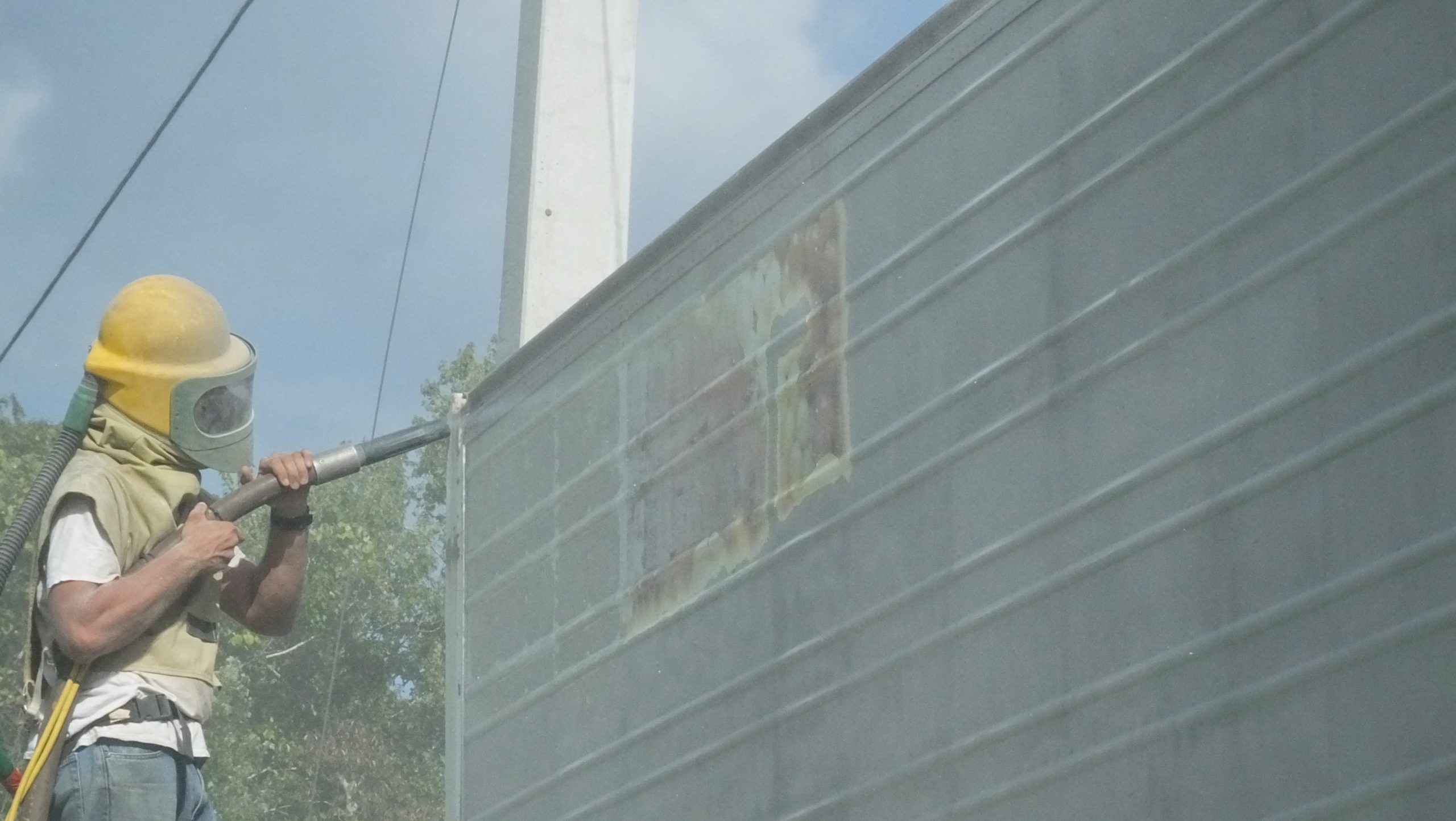
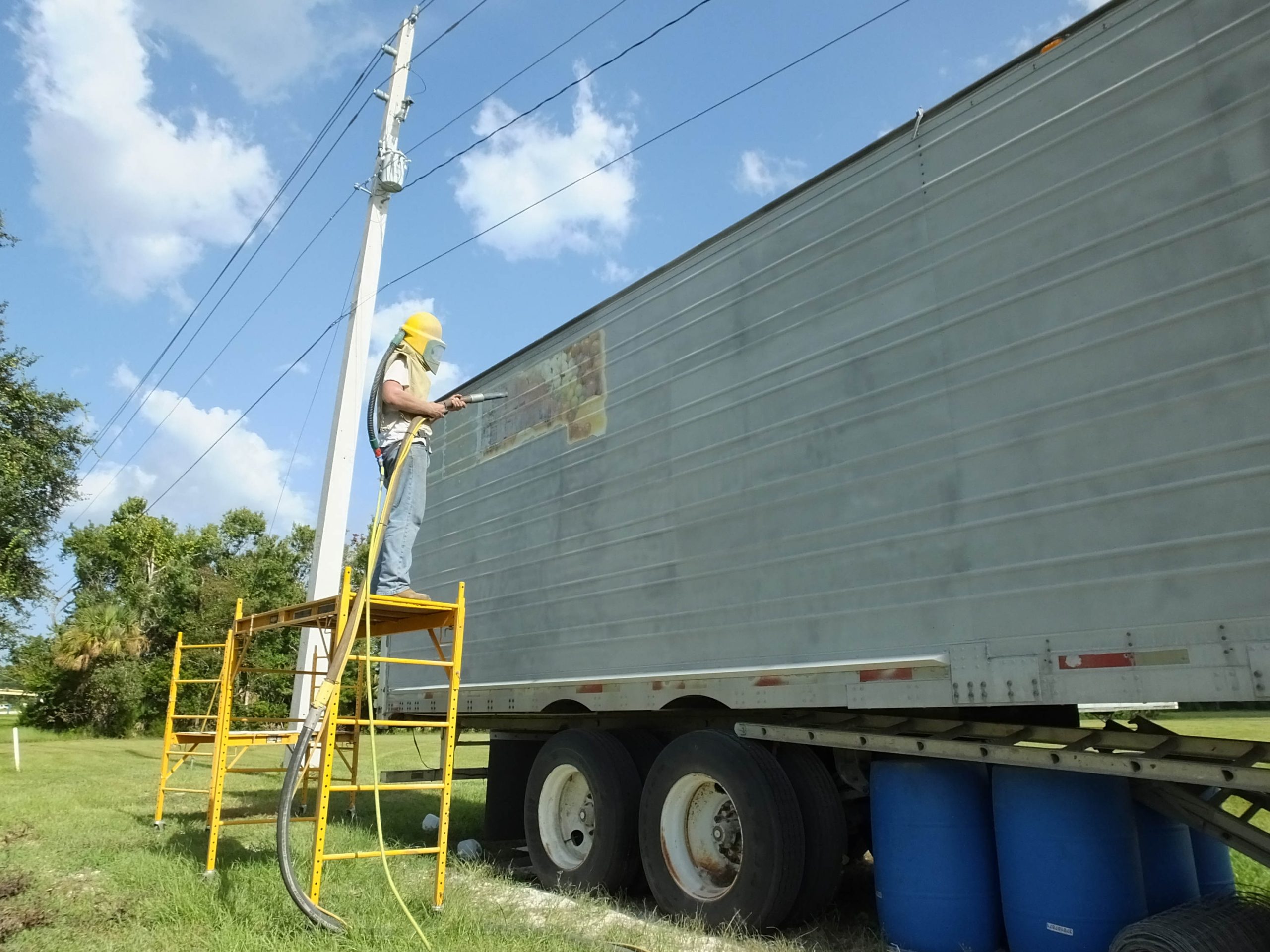
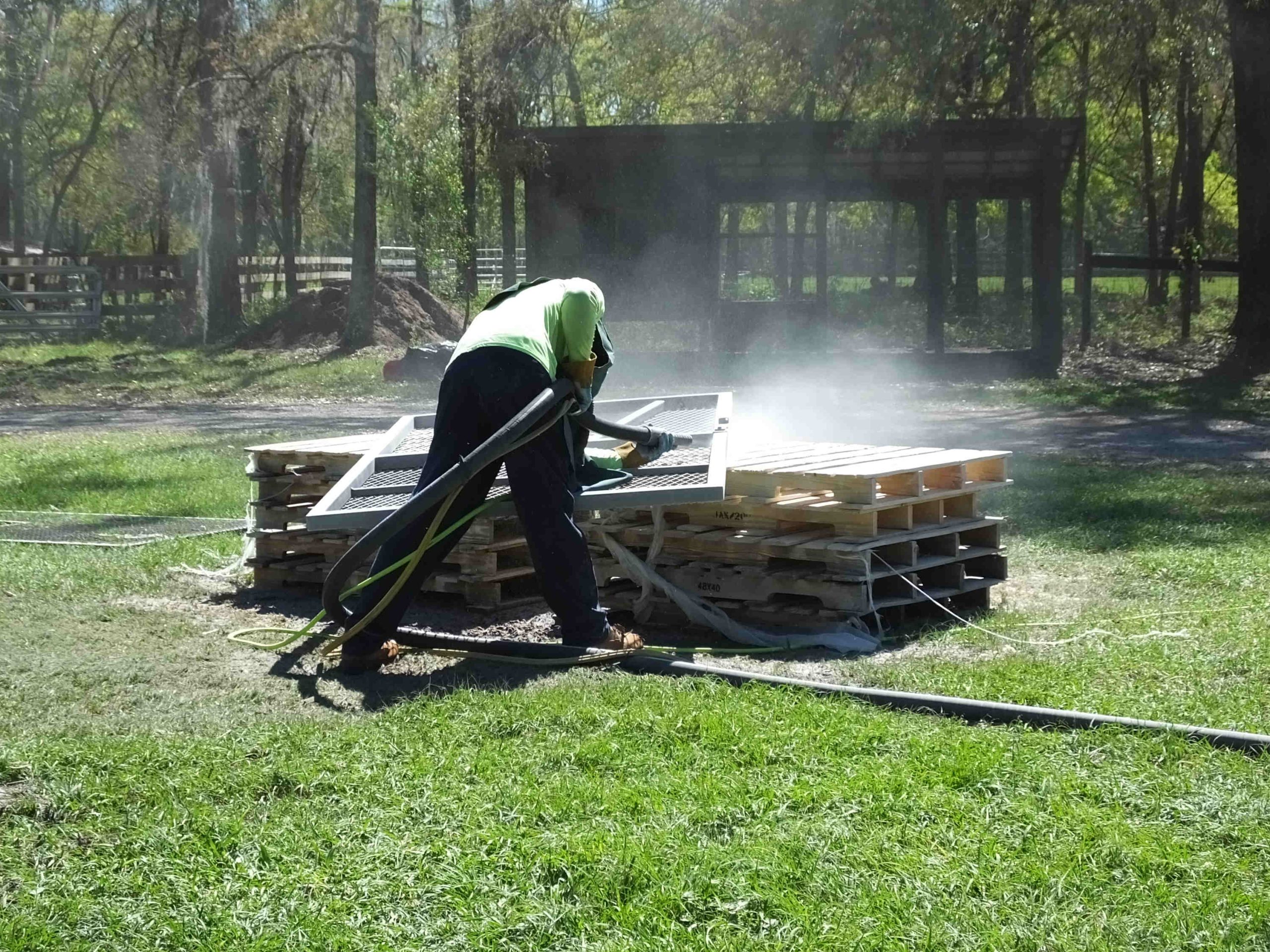
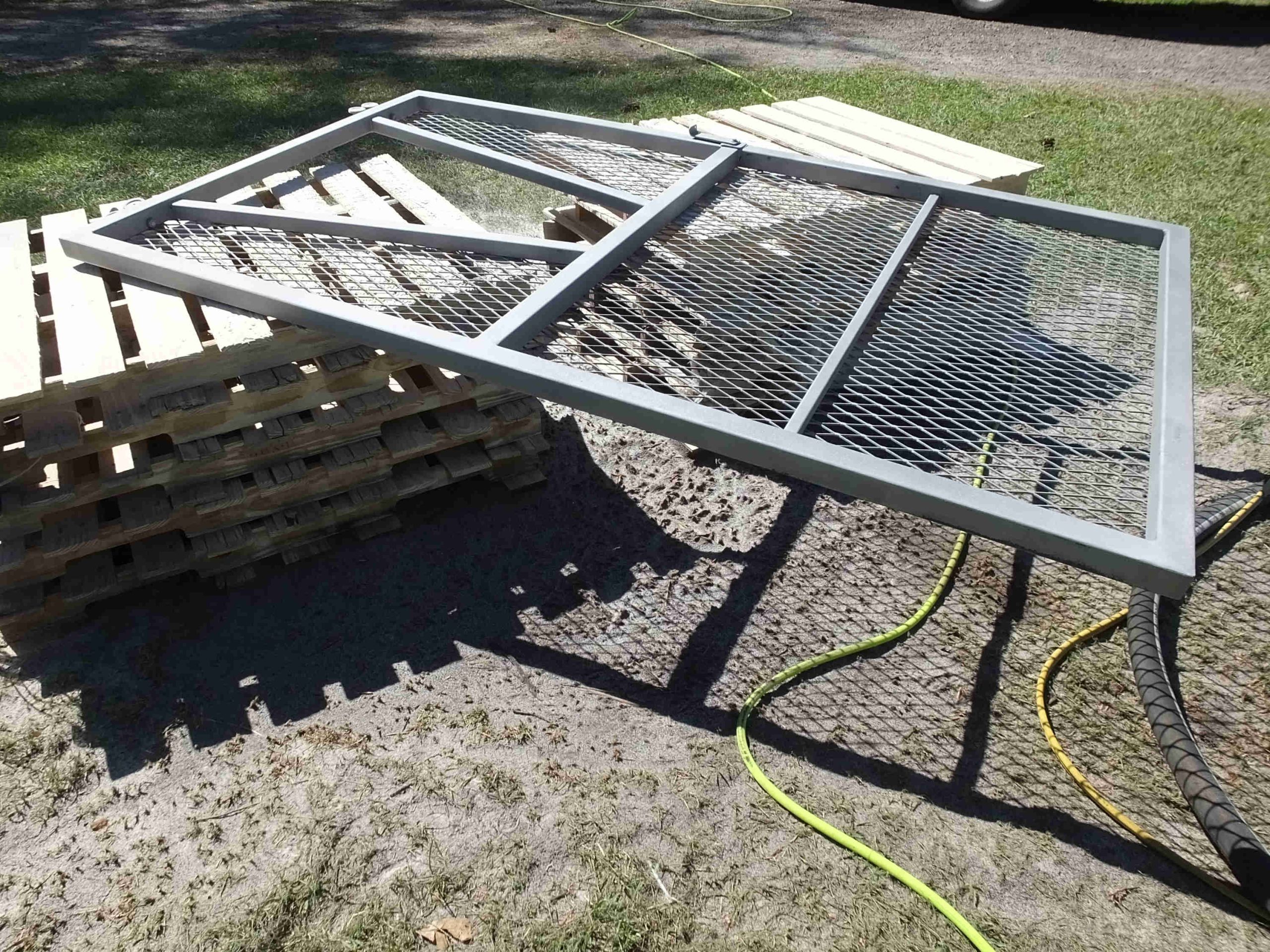
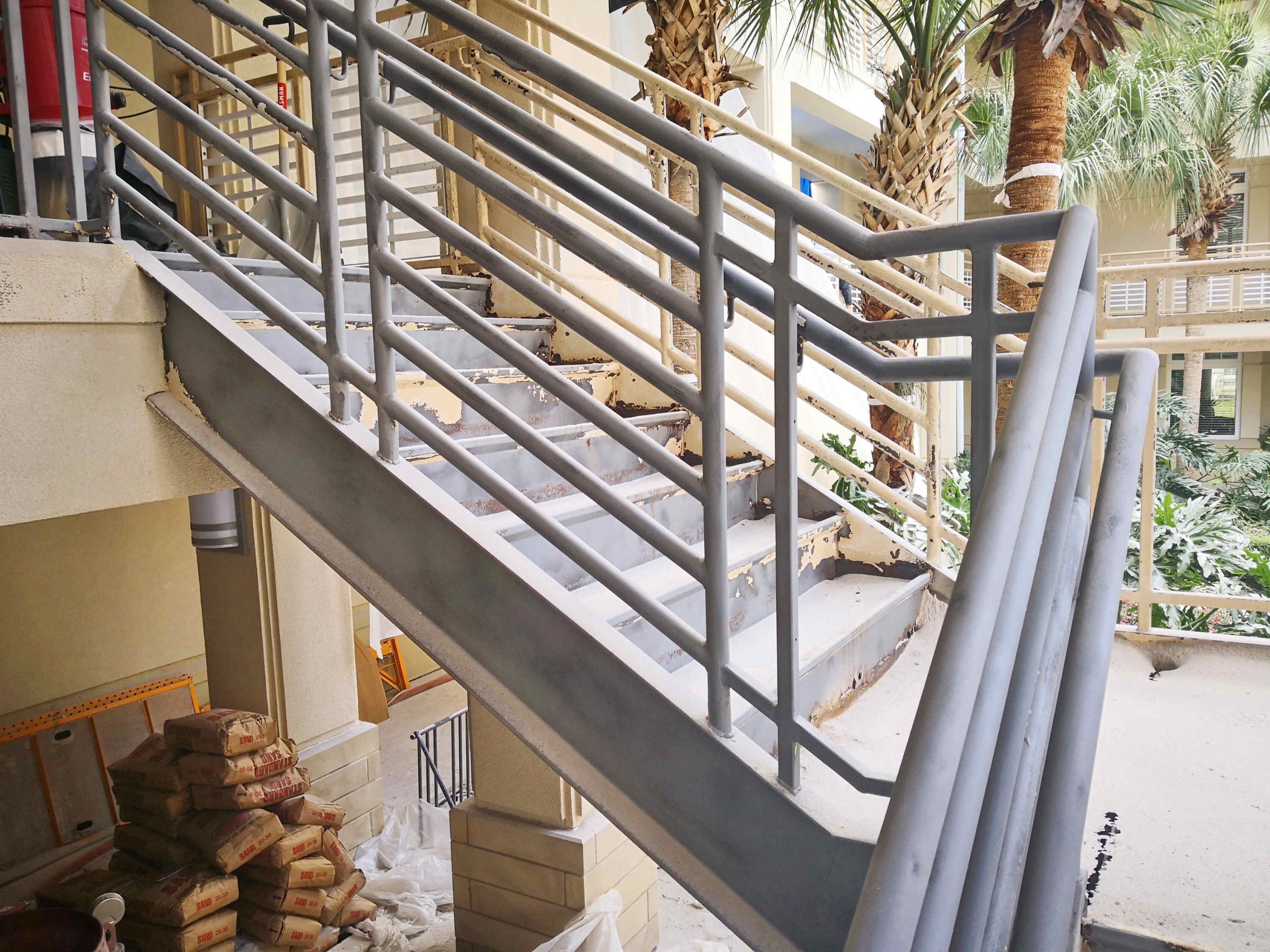
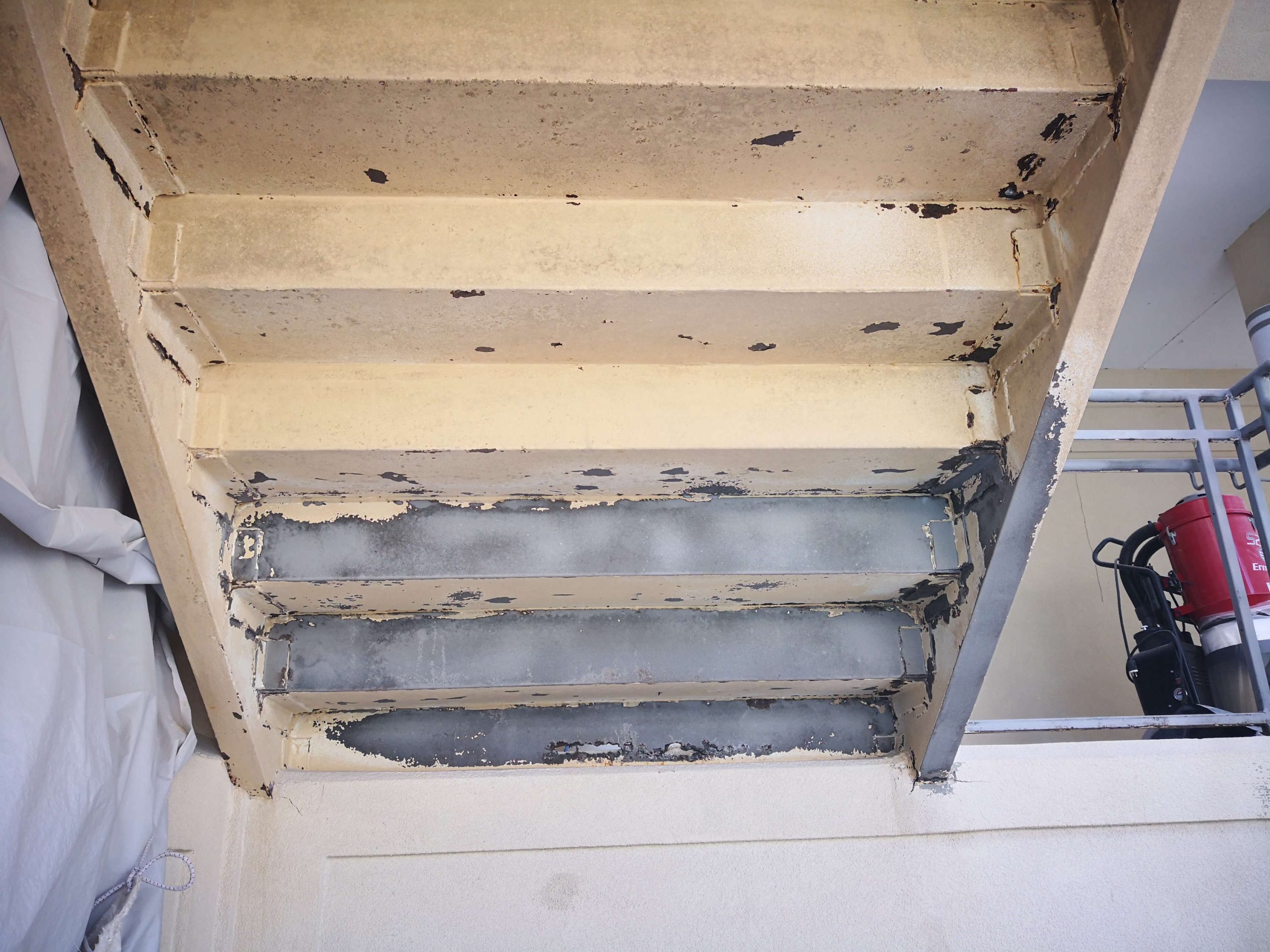
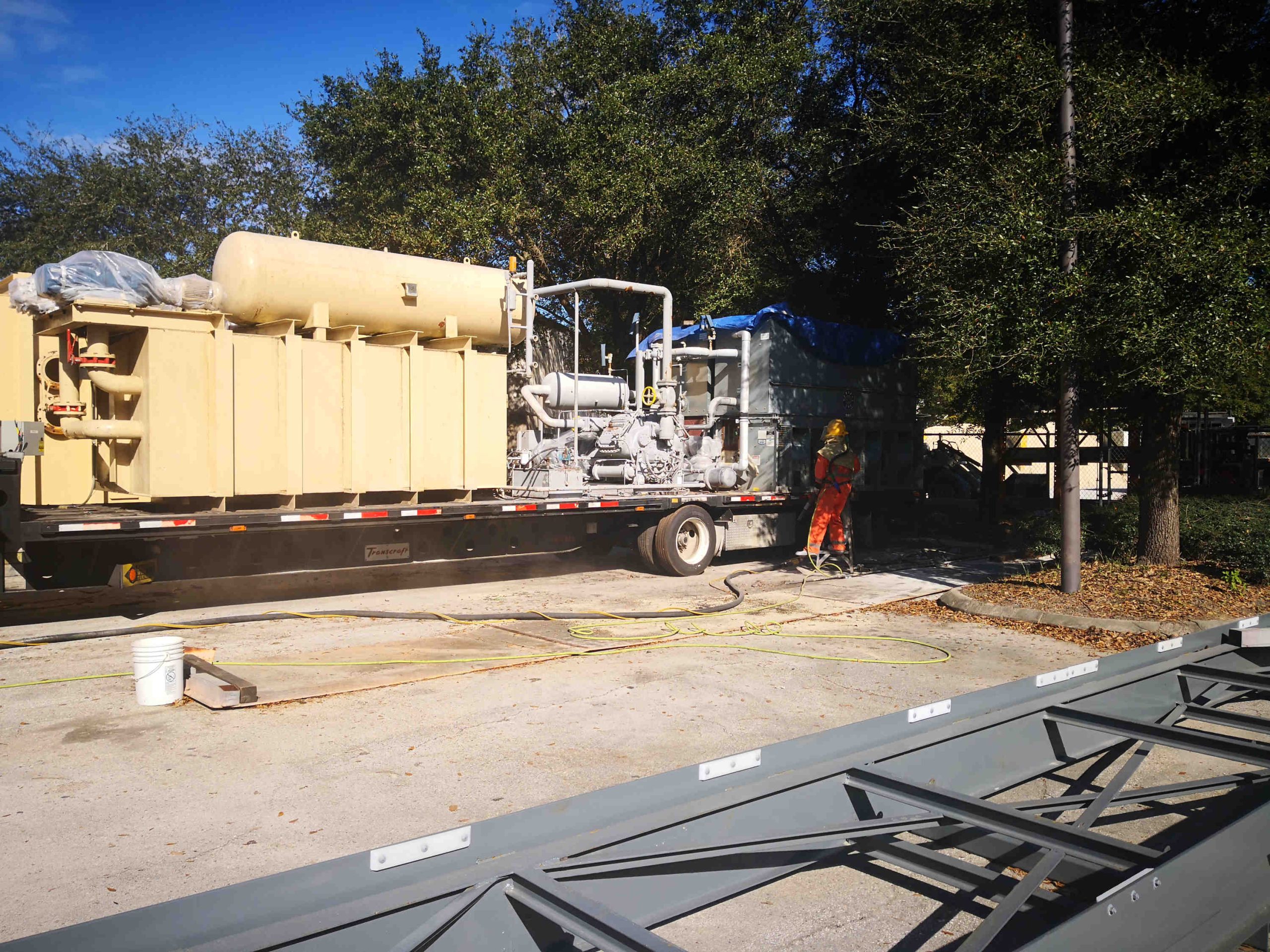
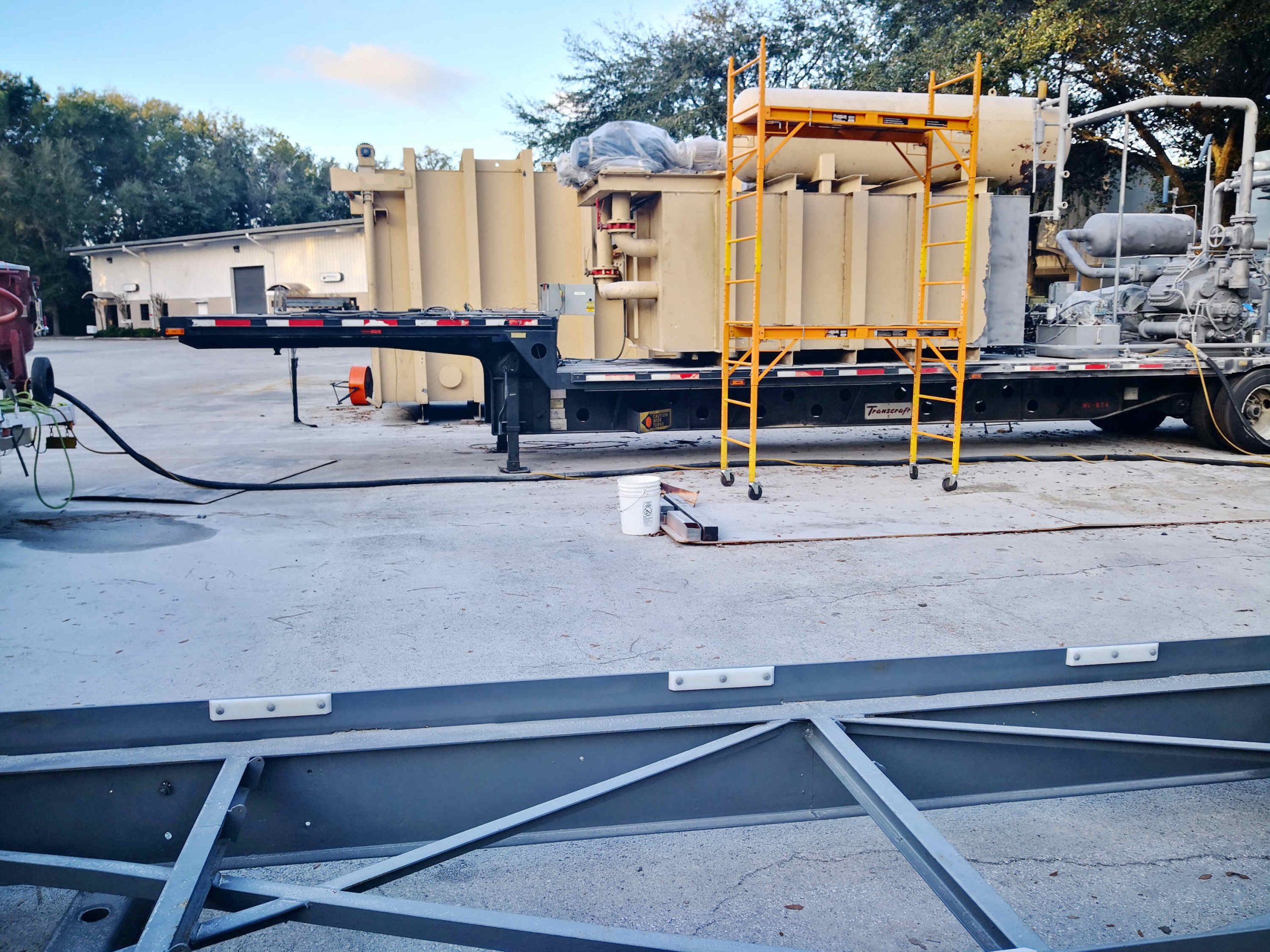
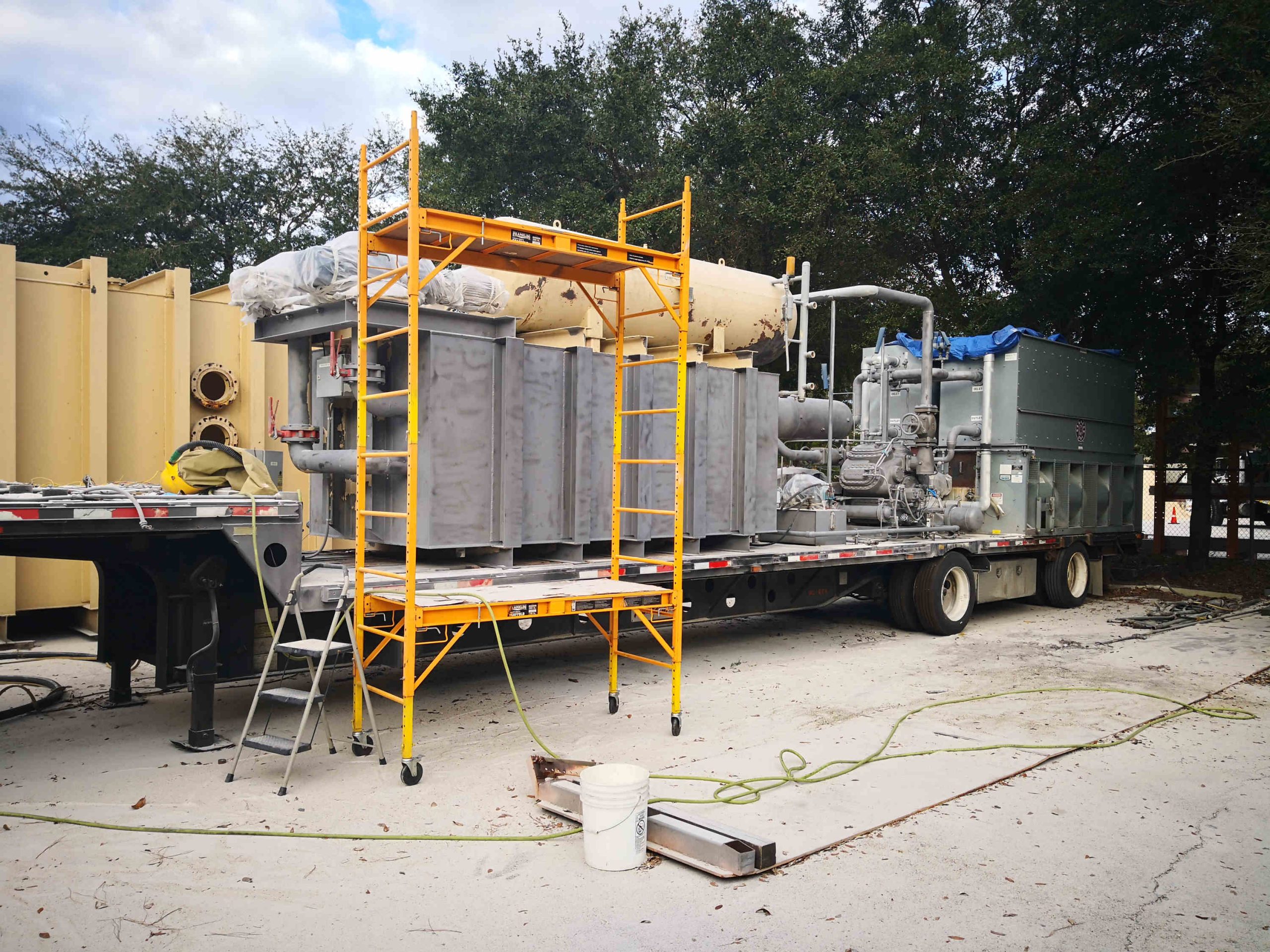
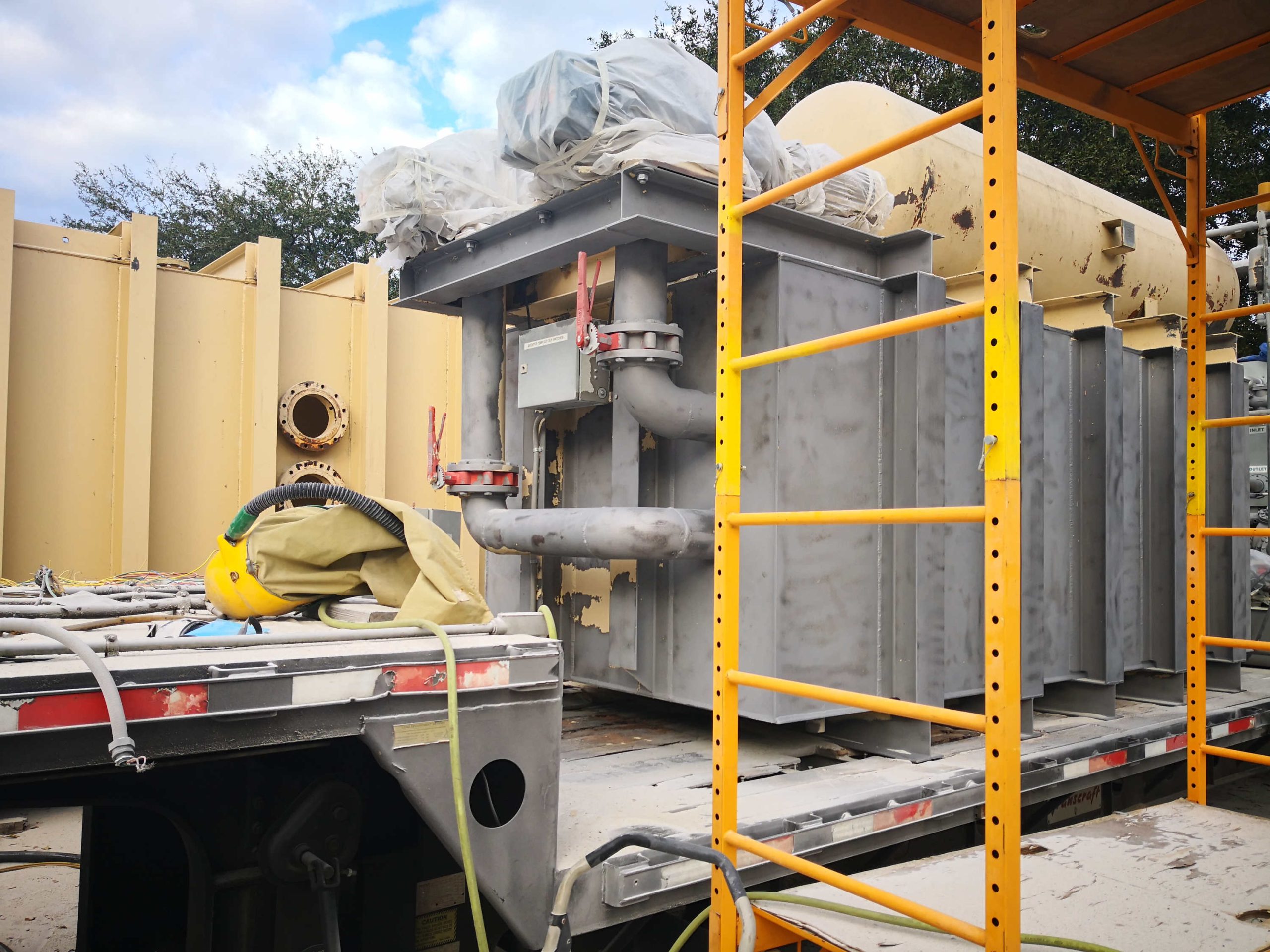
Dry sandblasting/traditional sandblasting is used for metal projects. Typically dry sandblasting is the preferred technique for removing paint off of steel or disassembled vehicles
Will my neighbors’ property be affected by the sandblast project?
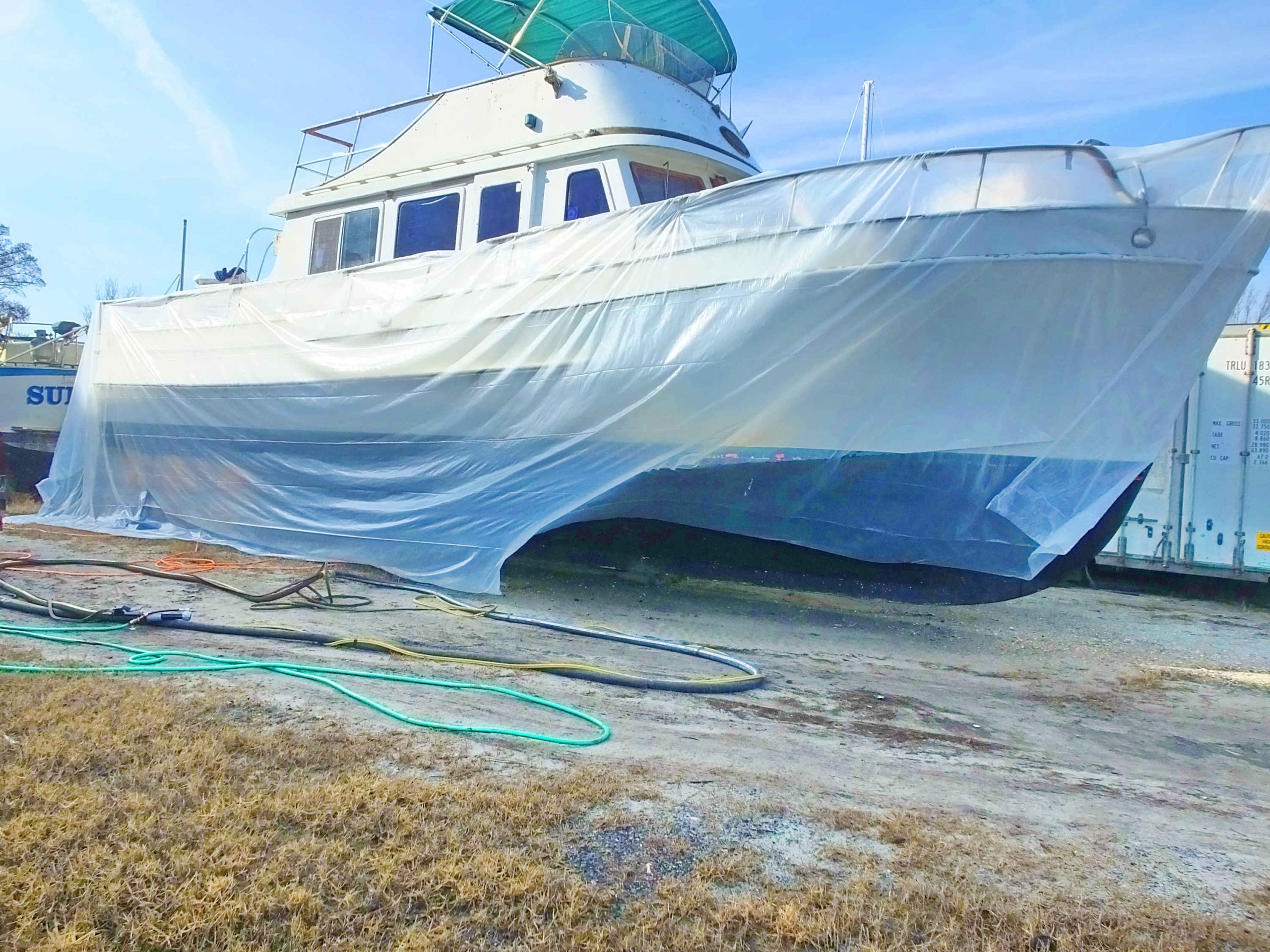
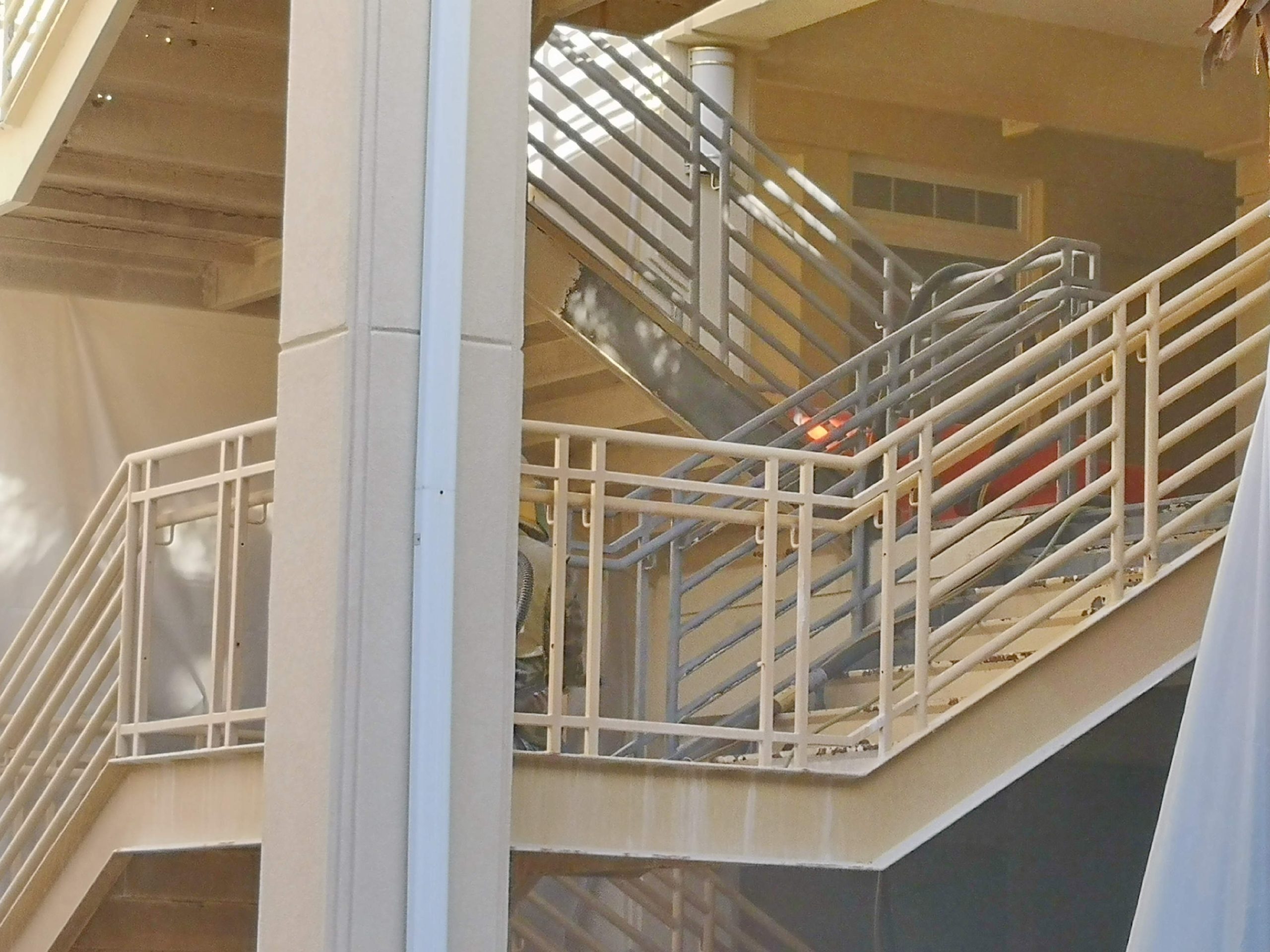
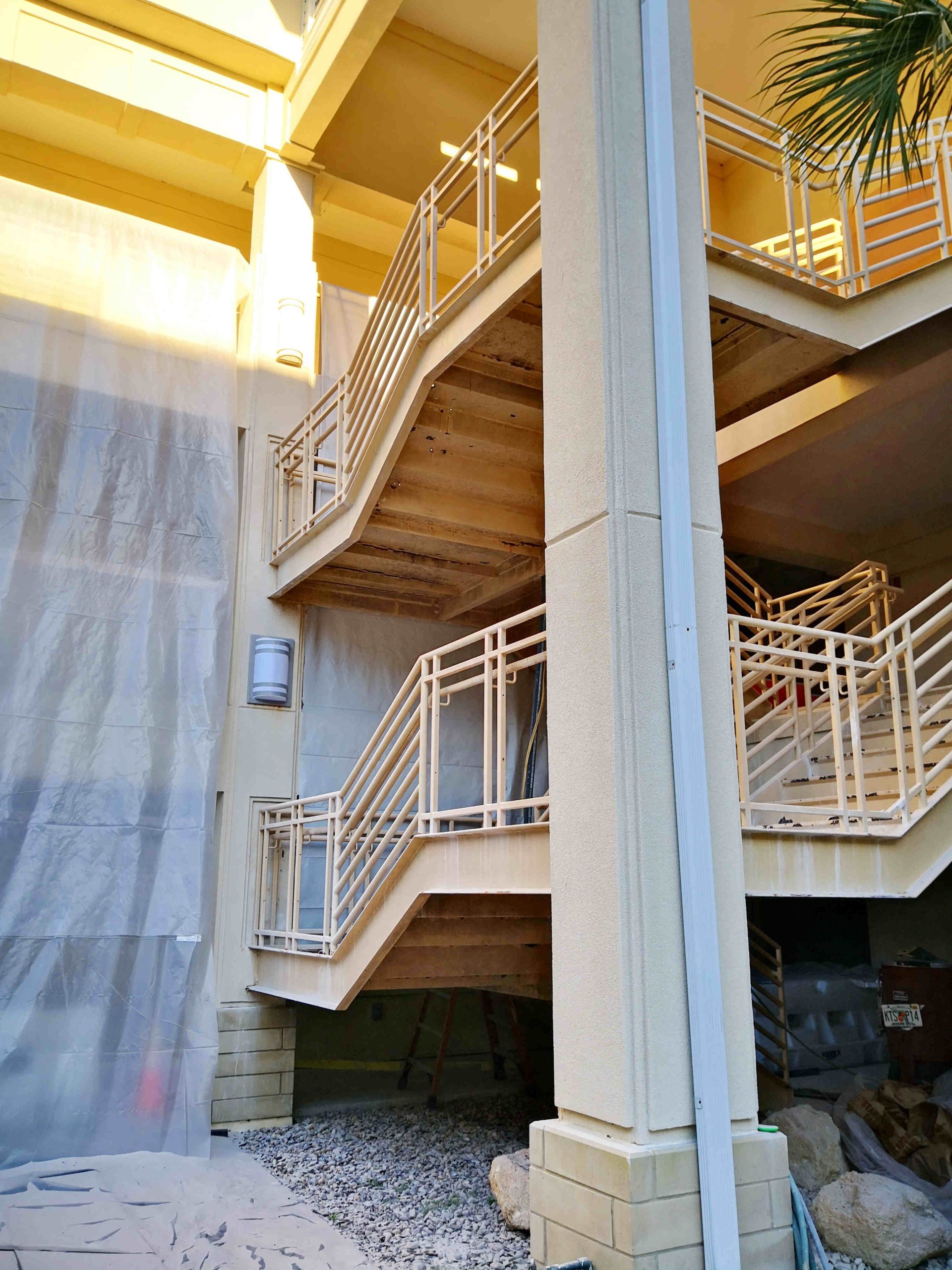
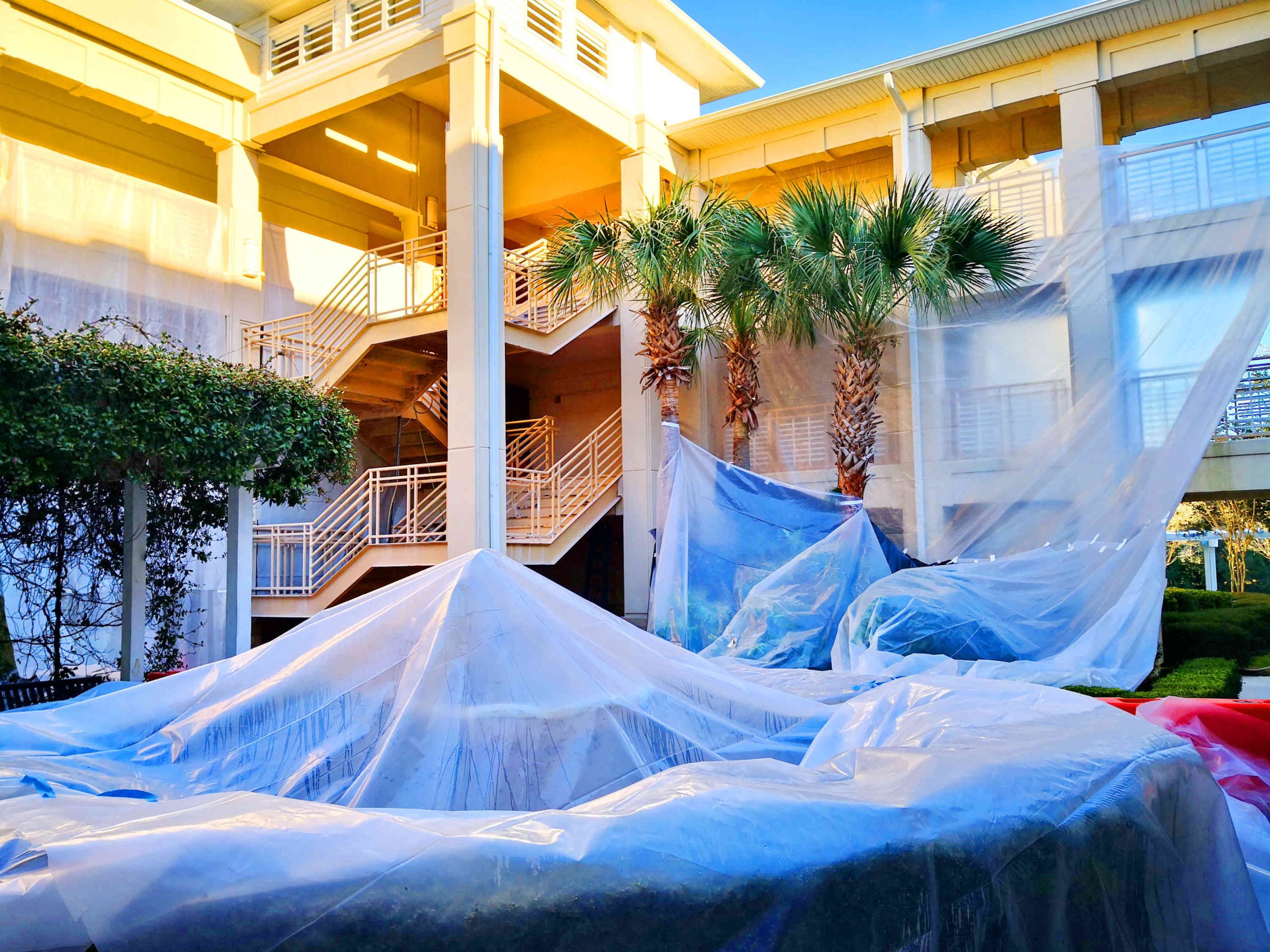
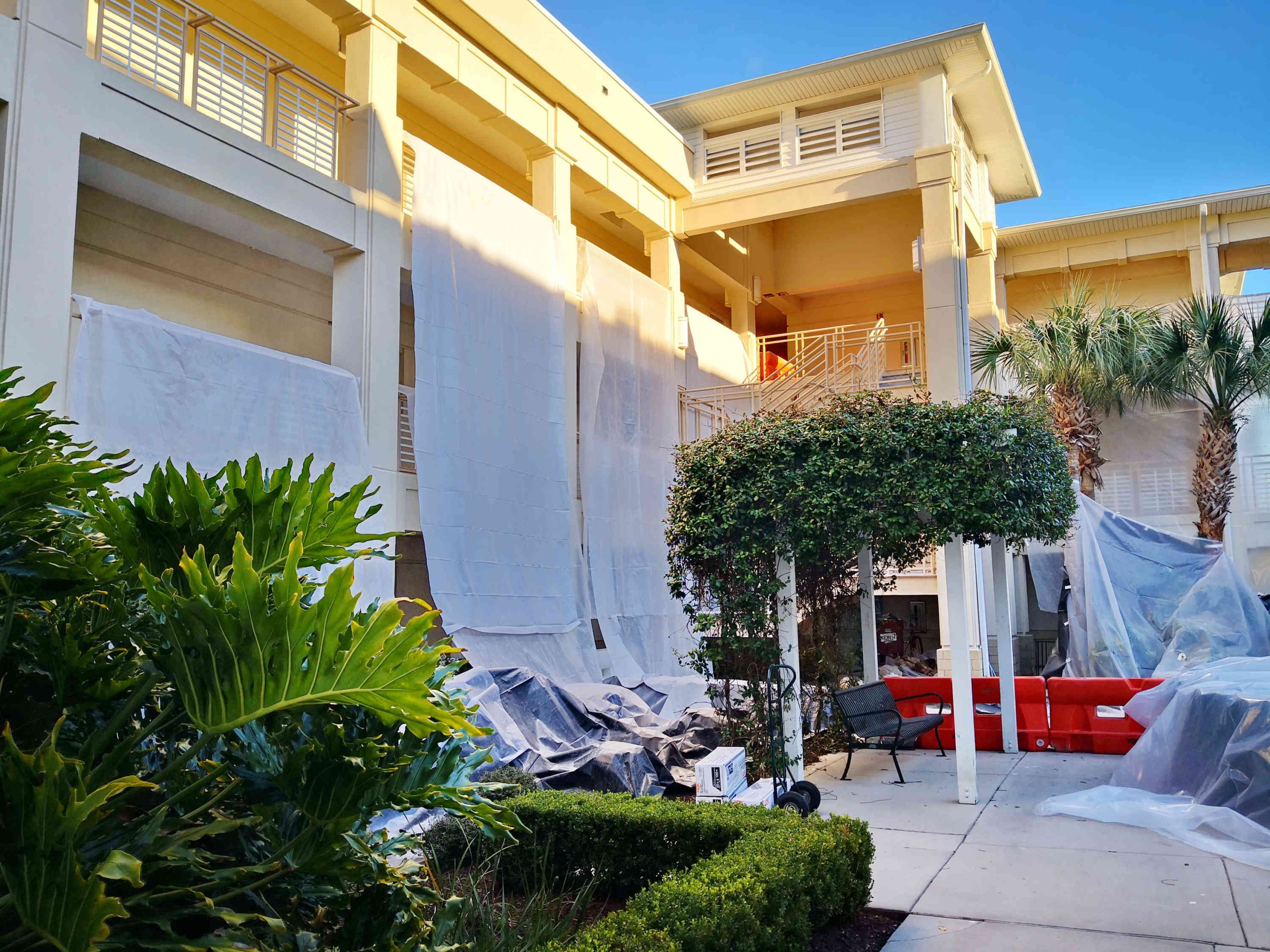
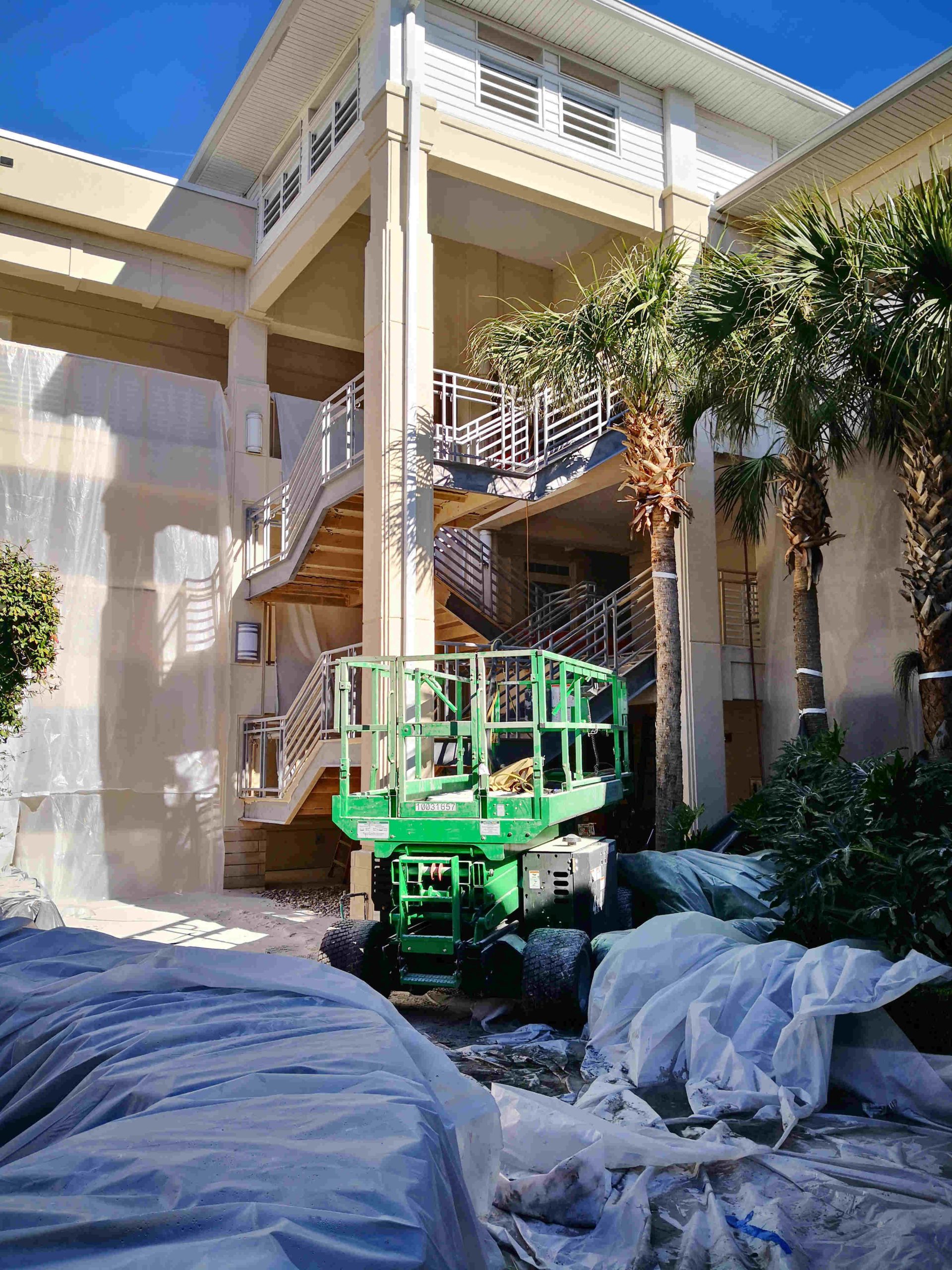
90% of the neighbors we have encountered do not have issues with the short term, temporary, small dust generation. But in a few circumstances we will hang thick plastic sheets around the project to contain 99% of the mess. We have discovered 99% of the neighbors are actually happy for their neighbors when they have an opportunity to upgrade their property. Would you dislike your neighbor because, or be happy for them when they can implement some construction upgrades? Most people are actually nicer than you’d expect.
Your neighbors should be advised to move their vehicles from their property to prevent dust and/or particles from dirtying the vehicle if they are very close and your project is very large and ongoing. It’s just common courtesy. It takes less time to move a vehicle farther away than it does to rinse it with a garden hose for 8 minutes. But if you can’t get ahold of your neighbor, it’s not the end of the world. When was the last time you cried because you’re automobile got dirty?
Is a city permit required for sandblasting projects?
I have only ever heard of a permit being required, in the state of California. I travel all over the east coast and have never seen or heard of it being required before.
How long will the sandblasting take?
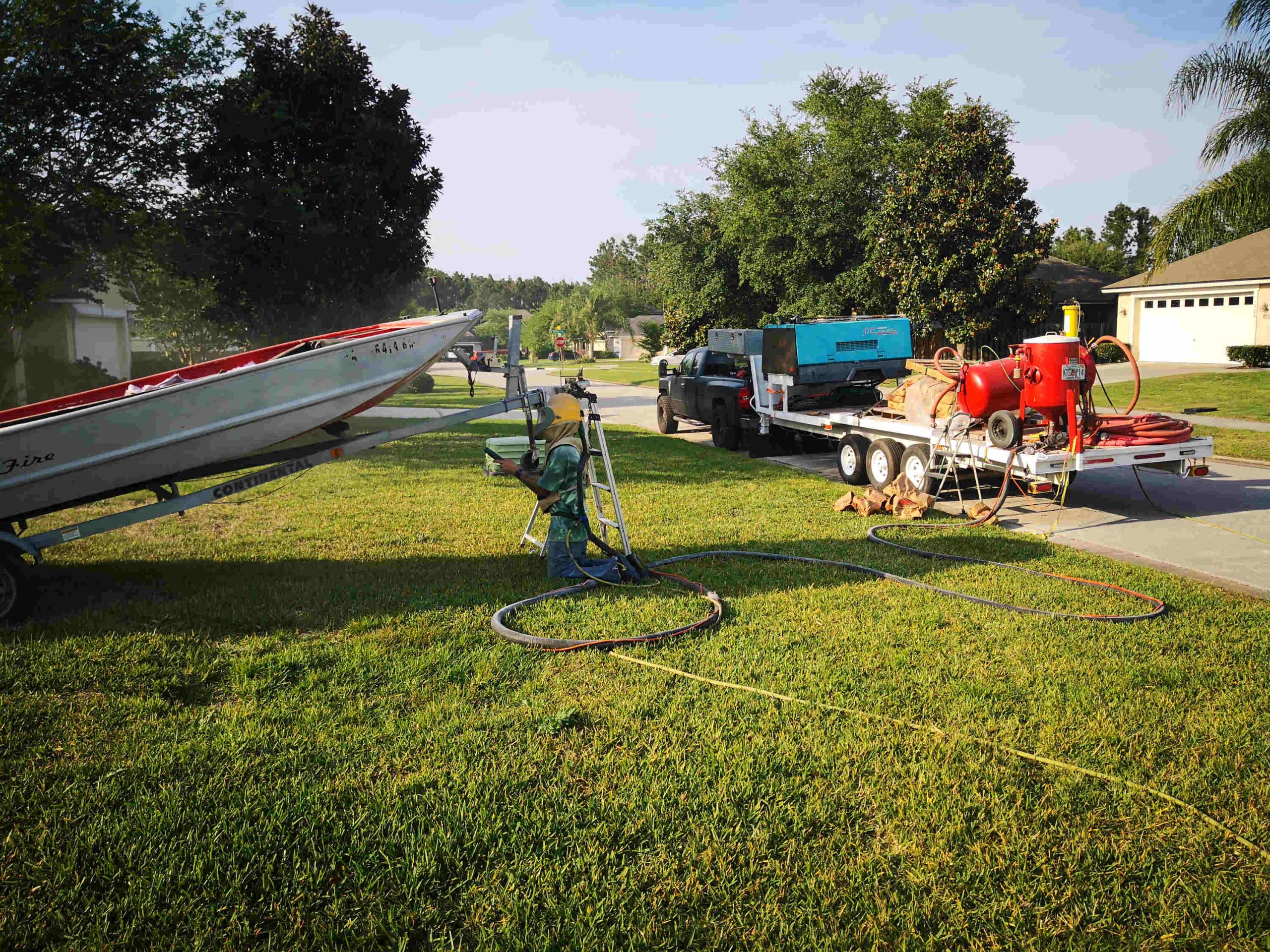
Sandblasting time depends on a variety of factors, but for example, a typical 1200 square foot home takes up to 8-10 hours for completion. A vehicle may take 4-6 hours.
Is sandblasting used for the interior projects?
Sandblasting is used for interior projects such as ceiling wood beams, tongue & groove wood ceilings and brick/stone fireplaces and removing paint off of brick or concrete.
Can metal objects be sandblasted?
Yes, metal objects can be sandblasted.
What is Architectural Sandblasting?
Architectural sandblasting is a process that is required when the appearance of a finished surface needs a new look, or when the original look is desired. This form of sandblasting can be used to expose the aggregate in brick or concrete projects. It can also be used in wood projects when fire or smoke damage has stained the wood and you want it to look new again while removing the smoke odors. Ceiling wood beams may also need sandblasting to restore the original color.
Does After Hours Welding & Sandblasting work on structures that have lead or asbestos?
No. Sandblasting contractors are governed by too much red tape when asbestos or lead is involved.
The government required paperwork is more nightmare than I’m willing to deal with.
HOWEVER: There are no laws or red tape governing a structure owner from removing asbestos or lead paint from their own property. In these cases I will rent my sandblaster out to a homeowner, and I will train them on how to use it. I can even direct a homeowner to where to hire a skilled blaster laborer to work for the homeowner with the rig the homeowner has rented. This will frequently save the homeowner $20,000 as compared to hiring a firm that’s certified and approved to work on asbestos or lead paint containing projects. We have certified safe breathing respirators systems and vacuum clean up systems. We can teach you what is safe and what is not. But we will not perform that work ourselves.
What is the finish on sandblasted wood?
Blasting wood raises the grain. Depending on what kind of wood and how tough the coating is determines how much the grain is raised after blasting. A softer wood like pine or poplar will blast rougher but sand easier. A hard wood like oak or maple will blast with a smoother finish but sand harder. A painted wood will blast rougher than a stained or varnished piece. Raising the grain gives the wood a genuine natural look which many people love. A perfectly smooth finish is artificial but sometimes preferred. After sandblasting if you want a perfectly smooth finish, you may have to do some sanding.
What is the difference between media blasting and sandblasting?
Almost no difference. In 1870 when abrasive blasting was invented, the only known low cost plentiful abrasive was sand. So it was not called abrasive blasting, but became known as sandblasting. As time went on people experimented with other forms of abrasives and finally found other abrasives that had some beneficial qualities sand did not.
The other forms of abrasive, one being coal slag, became known as media. Abrasive is the function, media is the medium that delivers an abrasive action. So today anytime sand is not the medium delivering the abrasive action, it’s called media blasting.
The following is a short incomplete list of abrasive media. Garnet, Aluminum Oxide, Sand, Recycled glass, coal slag…etc. So media blasting delivers different forms of abrasive action delivered by high velocity air. The professionals know and understand the difference, but the general public calls all media blasting sandblasting because they all deliver a form of abrasive action same as sandblasting. Even I call it all sandblasting.
What is bead blasting?
Most abrasive media has sharp angled edges to help deliver the abrasive cutting action. This profiles the object being blasted leaving it with mini rough edges with is fantastic for making paint stick to the object being blasted. But this roughened surface it creates removes any gloss shine from metal. If you’re going to paint it, so what?
But many aluminum engine parts do not get painted. They may need blasting to remove tarnish and corrosion, but they want to keep as much of the metal shine as possible. To achieve this, abrasive media with sharp edges is not used. Glass (beads) can be manufactured in mini round balls with no sharp edge (super tiny marble). It’s hard enough it delivers corrosion removal action, but being a round bead it leaves a mostly flattened surface (slightly dimpled) like a golf ball is mostly smooth. This is tremendous for retaining much of the metal shine after blasting is done. So it’s called bead blasting. It’s predominantly only done in blasting cabinets and virtually never done in mobile sandblasting.
What is vapor blasting?
Vapor blasting is merely wet blasting. Vapor blasting is abrasive blasting done in a blast cabinet and water and/or detergent is added to the blast mixture coming out of the hose. The first cabinet manufacture to add a wet blast process to their cabinet, called it vapor blasting instead of wet blasting because they wanted to sound more sophisticated. Personally I think they are just idiots for further confusing the public.
What is vapor blasting?
Vapor blasting is merely wet blasting. Vapor blasting is abrasive blasting done in a blast cabinet and water and/or detergent is added to the blast mixture coming out of the hose. The first cabinet manufacture to add a wet blast process to their cabinet, called it vapor blasting instead of wet blasting because they wanted to sound more sophisticated. Personally I think they are just idiots for further confusing the public.
What is soda blasting?
Soda blasting uses sodium bicarbonate (baking soda) as the blast media. It barely has any abrasive action at all but it will remove paint without damaging chrome, glass or gel coat on fiberglass boats. As abrasive media’s go, it is the most expensive at about ten times higher the purchase price for the media. Also its abrasive action is about 3 times slower than sand. It is not economical for most blast jobs when compared to sand. But when sand is too abrasive, frequently baking soda is effective while being gentle.
Sodium Bicarbonate in large quantities can shock or kill grass and plants. Baking soda does have a high Ph and can retard grass or kill flowers. Some concerns, however, were raised over sodium bicarbonate in gardens because of the first part of the compound. Sodium can burn leaves, roots and other plant parts. It can also stay in soil and affect later plants.
Soda blasting is not new…it is something that the government discovered while restoring the statue of liberty during the early eighties. Like everything the government does, cost is not an issue so this was an acceptable media to use while media blasting the monument. It does work, and is extremely delicate but it has its place and its place is somewhat limited in my opinion.
What is dry ice blasting?
Dry ice blasting uses dry ice as the blasting media. Its abrasive action is very mild thus leaving it most suitable for cleaning of surfaces where spent media being blown around is not acceptable such as blast cleaning in kitchens. The dry ice shatters upon impact and instantly vaporizes into the air so there is no media mess to clean up later. Its expensive, it’s slow, it’s only suitable in situations where media mess is not permitted.
Can I bring items to your place for blasting instead of you coming to my place?
No. We are a mobile blasting service that operates out of Jacksonville Fl and we only come to you.